March 5, 2025 at 5:29 PM PST
Recipes ketchup at home
Skip the Sugary Version in Grocery Stores by Learning How To Make Your Own Ketchup
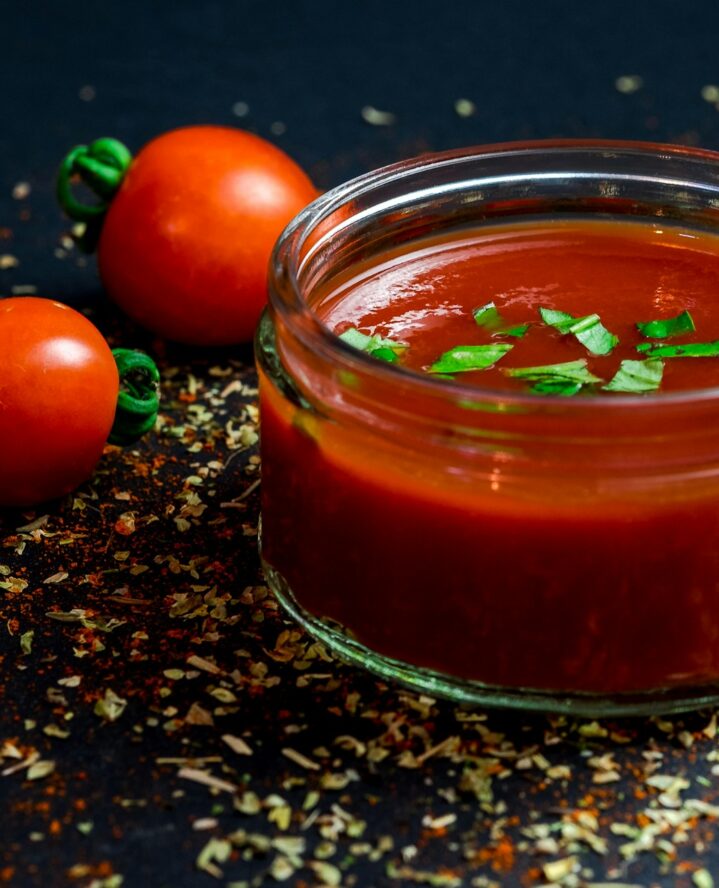
If you don't want sugar on your French fries, making your own homemade ketchup can help you skip out on the sweeter, store-bought option.
Recipes ketchup at home
Skip the Sugary Version in Grocery Stores by Learning How To Make Your Own Ketchup
If you don't want sugar on your French fries, making your own homemade ketchup can help you skip out on the sweeter, store-bought option.
March 5, 2025 at 5:29 PM PST
The waiter arrives to your table with a basket of French fries and shrimp salad. When the server leaves, you may reach for the ketchup or the cocktail sauce. Maybe you’ll grab the salt and pepper shakers. But it’d be rare to see a restaurant goer rip open a sugar packet to sprinkle on top of either of these restaurant menu items. However, chances are fairly high that if you buy commercial ketchup, you’re already eating sugar in the tomato-based condiment.
You may not even know that ketchup already includes approximately 4 grams of sugar and cocktail sauce includes 6 grams of sugar. While sugar is no surprise to find in low-fat yogurt, fruit juice and breakfast cereal, heads may scratch to find sugar in jarred pasta sauce, ketchup and even sushi. So what can you do if you’re trying to control your sugar intake for condiments? Learn how to make ketchup at home.

Should Ketchup Be White or Red?
While Kraft has their own version of “white ketchup,” which is popularly known as Miracle Whip (a mayonnaise and ketchup hybrid), before 1812, there was an earlier version of the mayo-less condiment that was white too. In the 1500s, tomatoes were considered poisonous and frowned upon. So instead of eating this fruit, there was a fermented fish sauce from southern China. A mix of fish intestines, meat byproducts and soybeans were used to create “ge-tchup” or “koe-cheup” by the Southern Min dialect. Stored for use during ocean voyages, the pastes were used for trading from Indonesia to the Philippines.
By 1812, a Philadelphia scientist named James Mease was credited with a new recipe for “love apples,” which was the name for tomatoes at the time. (Apples were then believed to be an aphrodisiac.) However, the fruit had a habit of decomposing too fast. When Heinz came along in 1876, the brand used distilled vinegar to improve on tomato-based sauces. In Heinz’s mix, along with tomatoes and vinegar, there was brown sugar, salt and a few spices. And Heinz is still the best-selling brand of ketchup in the U.S., with more than 650 million bottles sold annually.
How to Make Ketchup at Home
Of course, just because Heinz has brands in stores doesn’t mean you can’t learn how to make ketchup at home. Whether your goal is to toggle between the two or skip the sugar altogether, here’s an easy recipe to test out.
Ingredients:
- 2 pounds of fresh tomatoes (or one 28-ounce can of whole tomatoes)
- 1 small onion, chopped
- 1 clove garlic, minced
- 1/4 cup of apple cider vinegar
- 1/4 cup of brown sugar
- 1 tablespoon of tomato paste
- 1 teaspoon of lite salt
- 1/2 teaspoon of ground mustard
- 1/4 teaspoon of ground cinnamon
- 1/4 teaspoon of ground cloves
- 1/4 teaspoon of ground allspice
- 1/4 teaspoon of ground black pepper
- 1/4 teaspoon of cayenne pepper (optional for mild heat)
Instructions:
- If using fresh tomatoes, peel and chop them. If using canned tomatoes, drain and chop them.
- In a large pot, combine the tomatoes, onion and garlic.
- Cook over medium heat for 20–25 minutes until the tomatoes break down and the onions are soft.
- Transfer the mixture to an immersion blender or a regular blender to purée it until smooth.
- Return the purée to the pot and add the vinegar, brown sugar, tomato paste, salt, ground mustard, cinnamon, cloves, allspice, black pepper and cayenne pepper. Stir well to combine.
- Simmer the mixture over low heat for approximately 45–60 minutes, stirring occasionally, until it thickens to your desired consistency. (For a smoother ketchup, strain the mixture through a fine-mesh sieve to remove any remaining solids.)
- Let the ketchup cool to room temperature, then transfer it to a clean jar or bottle.
How to Store Homemade Ketchup
Before putting homemade ketchup away, it’s important to allow it to cool at room temperature. This prevents condensation inside the storage container, which could dilute the ketchup. Then, choose a clean, airtight container or jar for storage. Glass jars with tight-fitting lids are ideal, but plastic containers are sufficient. Homemade ketchup will last for approximately three weeks. Either create a digital calendar reminder or use a container label as a reminder when any remainder needs to be discarded. If you don’t think you’ll eat all of the ketchup in less than a month, freeze half (or so) beforehand. Freezer homemade ketchup will last for approximately six months. It can be put into freezer-safe containers. Or, use ice cube trays so you can melt the ketchup as needed.

Best Menu Items to Use With Ketchup
While three weeks for homemade ketchup may seem like a very short time span, there are more than enough foods to eat once you learn how to make ketchup at home.
For dips, ketchup works for French fries, onion rings, potato puffs (or tater tots), and chicken nuggets. It’s also slathered on meat-based burgers and plant-based burgers, along with vegan hot dogs and pork hot dogs. (Chicagoans are vocally opposed to putting ketchup on hot dogs though.) From fast food to restaurant meals, ketchup is usually on meatloaf glaze and Sloppy Joe mixture, along with tangier sandwiches and wraps. Some people like to add ketchup on top of their scrambled eggs or omelets. It’s often included in BBQ sauce, pizza sauce and stir-fry vegetables. And for the same reason tomato soup and grilled cheese are a common pair, ketchup on that same cheese sandwich is no surprise either.
Planting Tomatoes for Homemade Ketchup
If you would like to plant your own tomatoes, you can start indoors. Plant tomato seeds for about six to eight weeks before the last frost date (around late March or early April in cold-weather climates such as the city of Chicago). In warm-weather climates in states like California, the soil temperature should already be a minimum of 60°F for tomatoes to grow well. Space tomato plants approximately 18–24 inches apart for proper circulation and to reduce the risk of diseases.
Stakes, cages or trellises will keep tomato plants upright and harvesting better. The soil should be moist but not saturated with water. Mulch can be used to conserve moisture and to fight against weeds. Keep an eye on tomatoes in case pests appear, and use neem oil or insecticidal soap as a pet prevention. Remove any diseased plants immediately. Gently twist the healthy fruit from the vine when it’s fully ripe and mature.
Frequently Asked Questions
What are the five main ingredients of ketchup?
When learning how to make ketchup at home, the five main ingredients are whole tomatoes, onions, garlic, lite salt and apple cider vinegar.
How long does homemade ketchup last?
It lasts approximately three weeks in a fridge and six months in a freezer.
What tomatoes are best for ketchup?
Home gardeners may want to plant roma tomatoes, San Mazano tomates, Amish paste tomatoes or Early Girl tomatoes.
Most Popular
popular posts
Recipes
From weeknight dinner ideas to show-stopping desserts, discover recipes that make every meal feel special.

5 Easy Lunches That Taste Like You Have Your Life Together
by Jessica Fields | June 4, 2025


7 Gourmet Grilled Cheese Sandwiches Worth Trying This Fall
by Stixx Matthews | October 18, 2025
FOLLOW ALONG ON INSTAGRAM
#homeandtexture
Find us on social for more home inspiration where culture, personal style, and sophisticated shopping intersect to help you create a home where you love to live.