By Kelsey Marie
May 29, 2024 at 7:17 AM PST
Who knew gluten-free baking could be this easy and delicious?

Who knew gluten-free baking could be this easy and delicious?
Being gluten-free has never been easier, thanks to the increased amount of recipes and high-quality ingredients available today. Gone are the days of bland and crumbly baked gluten-free goods. Now, you can enjoy delicious treats without sacrificing on taste or texture.
If you love to bake but have a gluten intolerance or simply want to cut gluten out of your diet, you’re in luck—here’s everything you need to know to get started.
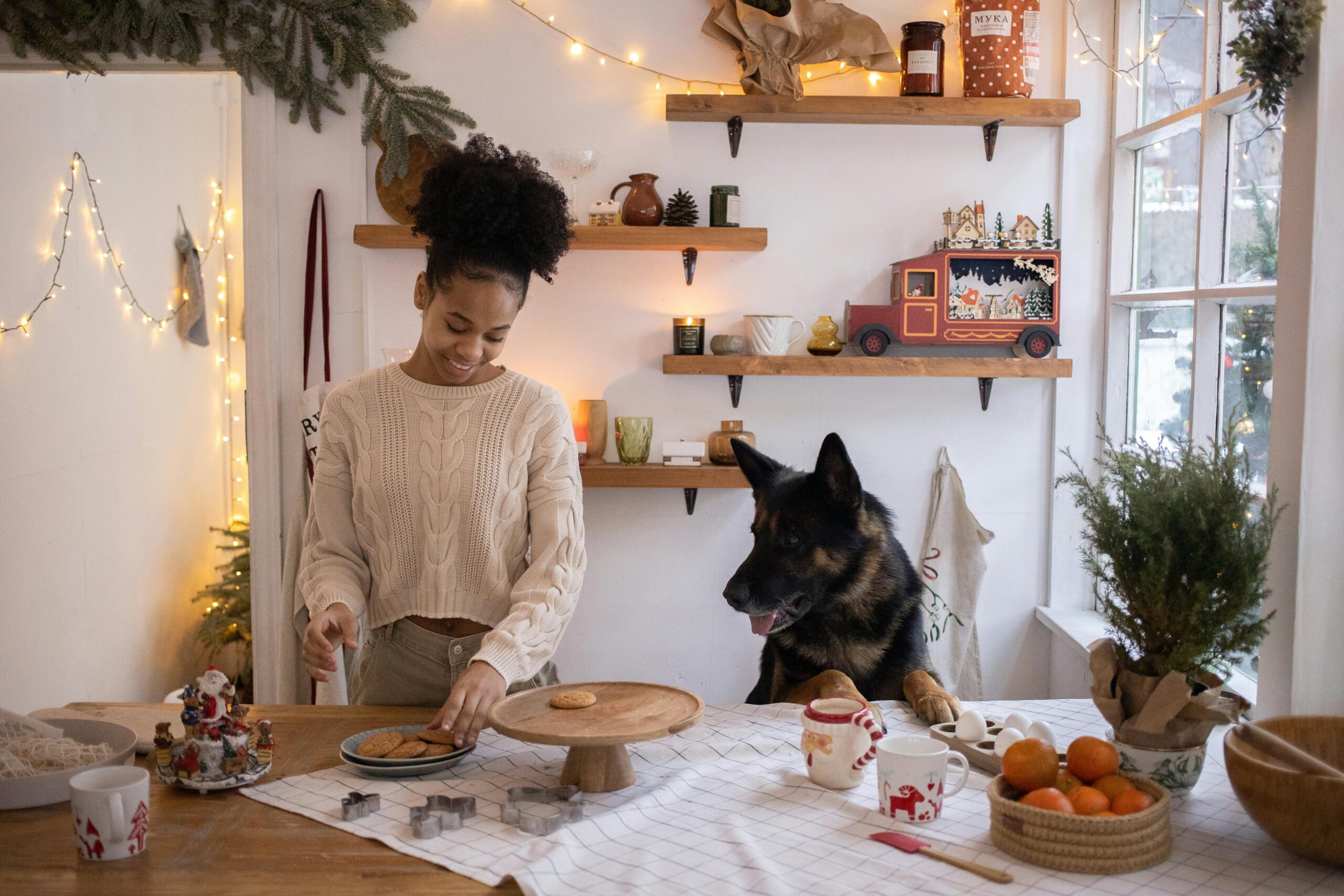
The foundation of gluten-free baking is flour. Unlike traditional wheat flour, gluten-free flours come in a variety of options, such as almond, rice, coconut, and sorghum. Each type of flour has its own unique texture and flavor. For the best results when baking, use a blend of different flours to mimic wheat flour.
Gluten gives baked goods their structure and elasticity. Without gluten, you’ll need a substitute to hold your dough or batter together. Xanthan gum, guar gum, and psyllium husk are all great binder alternatives. You’ll only need a small amount to give your baked goods the right texture.
Measure your ingredients by weight rather than volume for the best results. Invest in a kitchen scale to achieve consistent results. Gluten-free flours can be denser than wheat flour, so accurate measurement is crucial to avoid dense or crumbly baked goods.
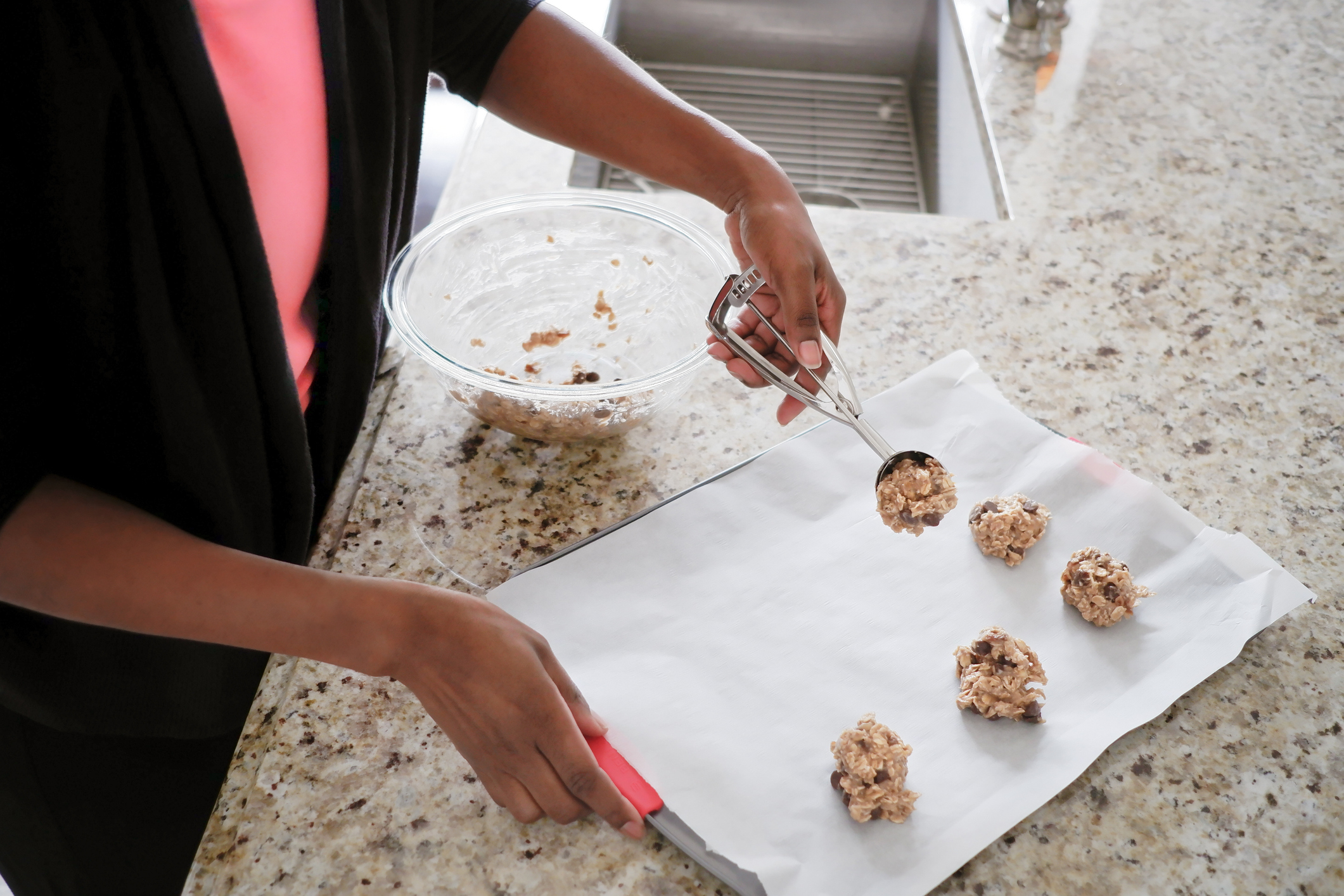
Sifting your gluten-free flours can help to add air into the mixture, which makes your baked goods more fluffy and light. It’s also great for distributing binders. Make sure to sift the flour blend along with any leavening agents, such as baking powder or baking soda, for the best results.
Letting your batter rest before baking allows the flours and binders to fully hydrate, improving the texture and structure of the final product. A rest period of 15-30 minutes can make a huge difference, especially for recipes like pancakes, muffins, and cakes.
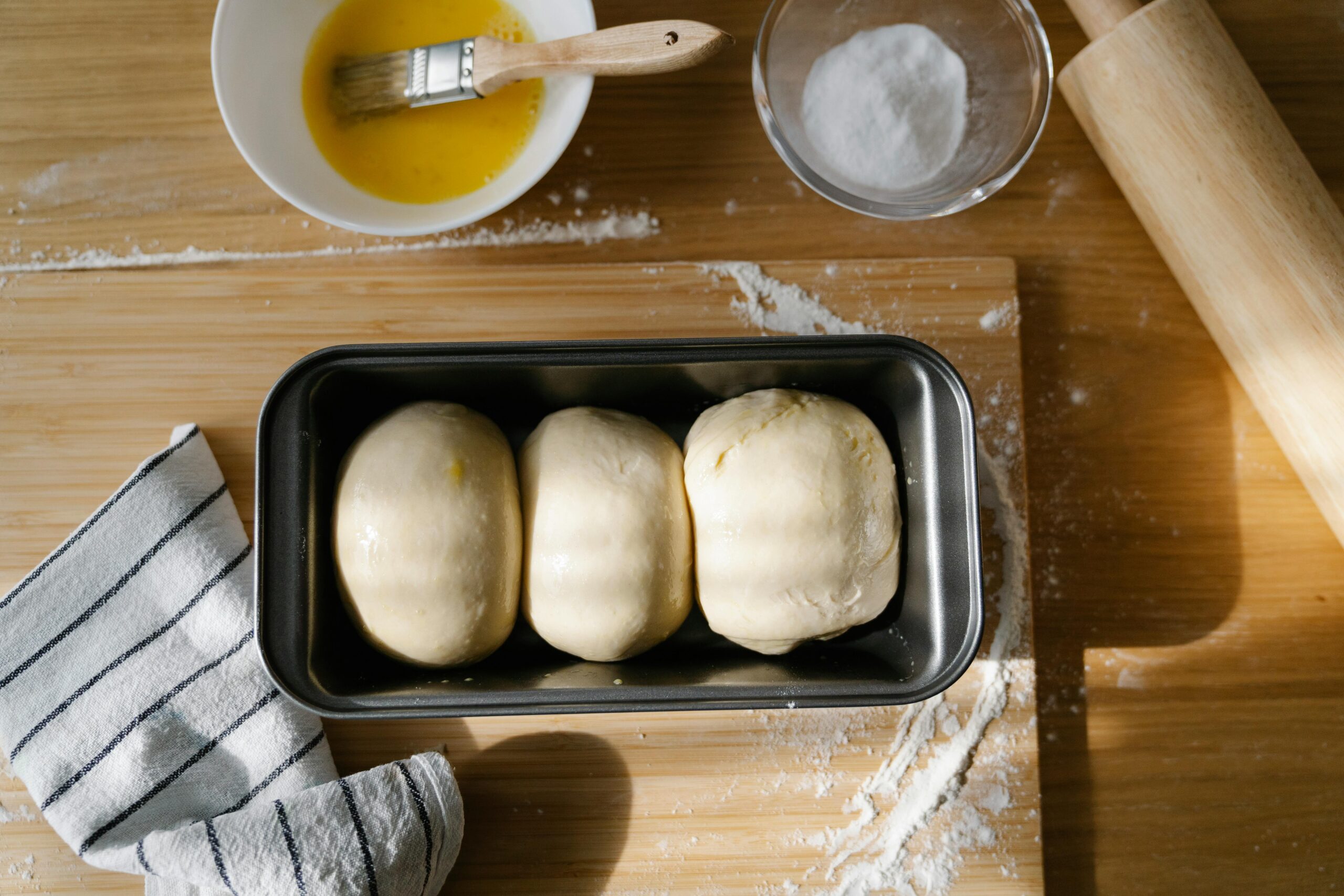
Every gluten-free flour blend is different, so don’t be afraid to experiment and adjust your recipes. Keep notes on what works and what doesn’t, and be patient with yourself as you learn. Texture, flavor, and moisture levels can all vary, so tweaking your ingredients is part of the process.
Remember to enjoy the process of gluten-free baking. It’s an opportunity to get creative in the kitchen and try new things.
From weeknight dinner ideas to show-stopping desserts, discover recipes that make every meal feel special.


by Shamontiel Vaughn | January 27, 2025
by Shamontiel Vaughn | February 13, 2025
Whether it’s luxury or ease, every area of your home should be as fabulous and unique as you.
by Shamontiel Vaughn | December 26, 2024

by Brittni Williams | November 15, 2023
by Alexis Turner | October 8, 2024
Find us on social for more home inspiration where culture, personal style, and sophisticated shopping intersect to help you create a home where you love to live.