January 10, 2026 at 3:28 AM PST
Black History Sweet Potato Pie Debate
The Real Reason Sweet Potato Pie Reigns in Black Households
A look at how history, access, and tradition shaped sweet potato pie over pumpkin pie in Black households.
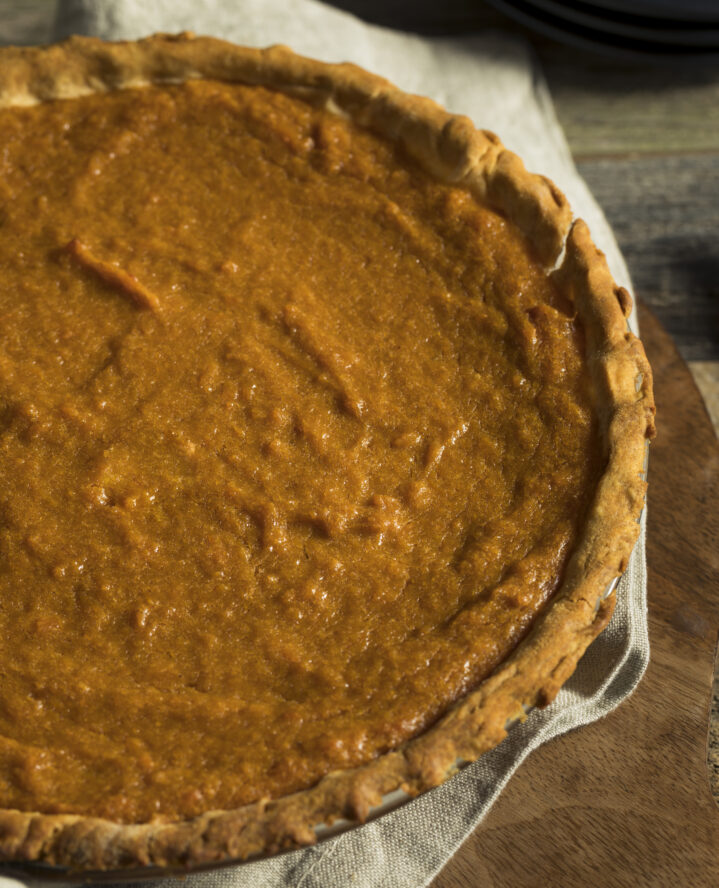
Black History Sweet Potato Pie Debate
The Real Reason Sweet Potato Pie Reigns in Black Households
A look at how history, access, and tradition shaped sweet potato pie over pumpkin pie in Black households.
January 10, 2026 at 3:28 AM PST
Though the holidays are over, there’s always time for pie—and a bit of Black history. While pumpkin pie has long been hailed as the quintessential American dessert during Thanksgiving, it occupies a notably smaller space on the tables of many Black American families. Instead, sweet potato pie reigns supreme. It is a dessert deeply rooted in the traditions and cultural heritage of Black communities, particularly in the South. This preference and resourcefulness is one that dates back centuries.
As a Black Southerner, I can attest that pies—especially sweet potato pie—weren’t just reserved for the holidays, though they were of course greatly preferred from Thanksgiving through New Year’s Day desserts. You can eat sweet potato pie all year round, and many families do. Sweet potatoes have been a staple crop in the South. They were more accessible and affordable than pumpkins for enslaved Africans and later generations of Black families. The sweet potato pie became a symbol of making something beautiful and delicious from simple ingredients. It is a testament to the creativity and ingenuity of Black cooks who transformed basic produce into legacy traditions.
This cultural divide in pie preference has been documented and celebrated by numerous Black authors and culinary historians. “In Jubilee: Recipes from Two Centuries of African American Cooking,” Toni Tipton-Martin explores the deep roots of African American foodways and highlights how sweet potato pie became embedded in Black culinary identity. Similarly, Jessica B. Harris, in “High on the Hog: A Culinary Journey from Africa to America, traces the African diaspora’s influence on American cuisine and touches on how sweet potatoes—brought from Africa and the Caribbean—became central to Black Southern cooking. Michael W. Twitty‘s “The Cooking Gene” also expounds on this history. He examines how enslaved Africans adapted their food traditions in America. Sweet potato pie emerged as a dessert that carried both memory and meaning across generations.
@mrcrim3 Make sure your kids know this. 🎃🍠 The cultural preference Black Americans have for sweet potato pie, and the preference many White Americans have for pumpkin pie is rooted in racism and cultural empowerment. Shocked? 😆 In the 1800s, Sarah Josepha Hale helped make pumpkin pie a Thanksgiving staple for White, middle-class families. Abolitionists even used pumpkins as a symbol of free labor, contrasting them with the plantation economy built on slavery. Meanwhile, sweet potato pie was a beloved dish in Black communities, tied to African culinary traditions and the resourcefulness of enslaved people. But during Jim Crow, it was unfairly stigmatized as “poor man’s food” snd inferior because we ate it. As such, it was excluded from mainstream holiday culture. Today, sweet potato pie remains a powerful symbol of heritage, resilience, and survival. 🚨Which pie do you prefer? Where are the Black and White folks who go against the grain with their preference? I ain’t one of ‘em (I grew up in a sweet potato house) but I feel you. 😆🎃🍠 Let’s talk about it! 🗣️ Oh, and someone share this with @kevonstage #BlackHistory #SweetPotatoPie #PumpkinPie #ThanksgivingHistory #CulturalTraditions #Ushistory #racism #thanksgivingdinner #dessert #abelincoln #jimcrow
The Historical Roots of Sweet Potato Pie in Black Culture
The story of sweet potato pie begins with the Transatlantic Slave Trade and the forced migration of Africans to America. Sweet potatoes, which originated in Central and South America, were already being cultivated in Africa by the time of the slave trade. This occurred after being introduced by Portuguese traders. When enslaved Africans arrived in the American South, they found sweet potatoes growing readily in the warm climate. These tubers became a crucial part of their diet. They were nutritious, easy to grow and could be prepared in numerous ways. Enslaved cooks drew upon their heritage knowledge, combining it with available ingredients to create dishes that would sustain and comfort their communities.
Unlike pumpkin, which required more involved preparation, sweet potatoes were more commonly available to enslaved people. They could be easily transformed into a filling, satisfying dessert with minimal ingredients. These usually included just sweet potatoes, sugar or molasses, milk, eggs and spices. The pie became a way to celebrate special occasions and holidays while working within the constraints of limited resources.
Why Pumpkin Pie Never Took Hold
Pumpkin pie’s rise to prominence in American cuisine is largely tied to New England colonial history. It relates also to the creation of an idealized “American” Thanksgiving narrative. During the early colonial days, pumpkins were primarily grown in the northern states. The cooler climate and agricultural practices favored their cultivation there. Pumpkin pie became the apple of white America’s eye as the standard Thanksgiving dessert. It was deeply embedded in the mythology of Pilgrims and the first Thanksgiving celebration. This northern, predominantly white cultural narrative positioned pumpkin pie as the default American holiday dessert, even though it didn’t reflect the agricultural realities or eating preferences of the entire country.
In contrast, sweet potatoes thrived in the warm, humid climate of the southern states. This was where most Black Americans lived during and after slavery. The geographical and agricultural divide between North and South mirrored a cultural divide in food preferences. For Black families in the South, pumpkin was simply less accessible and less familiar than sweet potatoes. The texture and preparation of pumpkin also differed significantly. It required more processing to achieve the right consistency, making it less practical for everyday or even special occasion baking.
Additionally, the cultural association of pumpkin pie with a sanitized, often exclusionary version of American history made it less appealing to Black families who were creating and maintaining their own distinct culinary traditions. The preference wasn’t just about availability or taste. It was about claiming space in a food culture that had often marginalized or erased Black contributions.
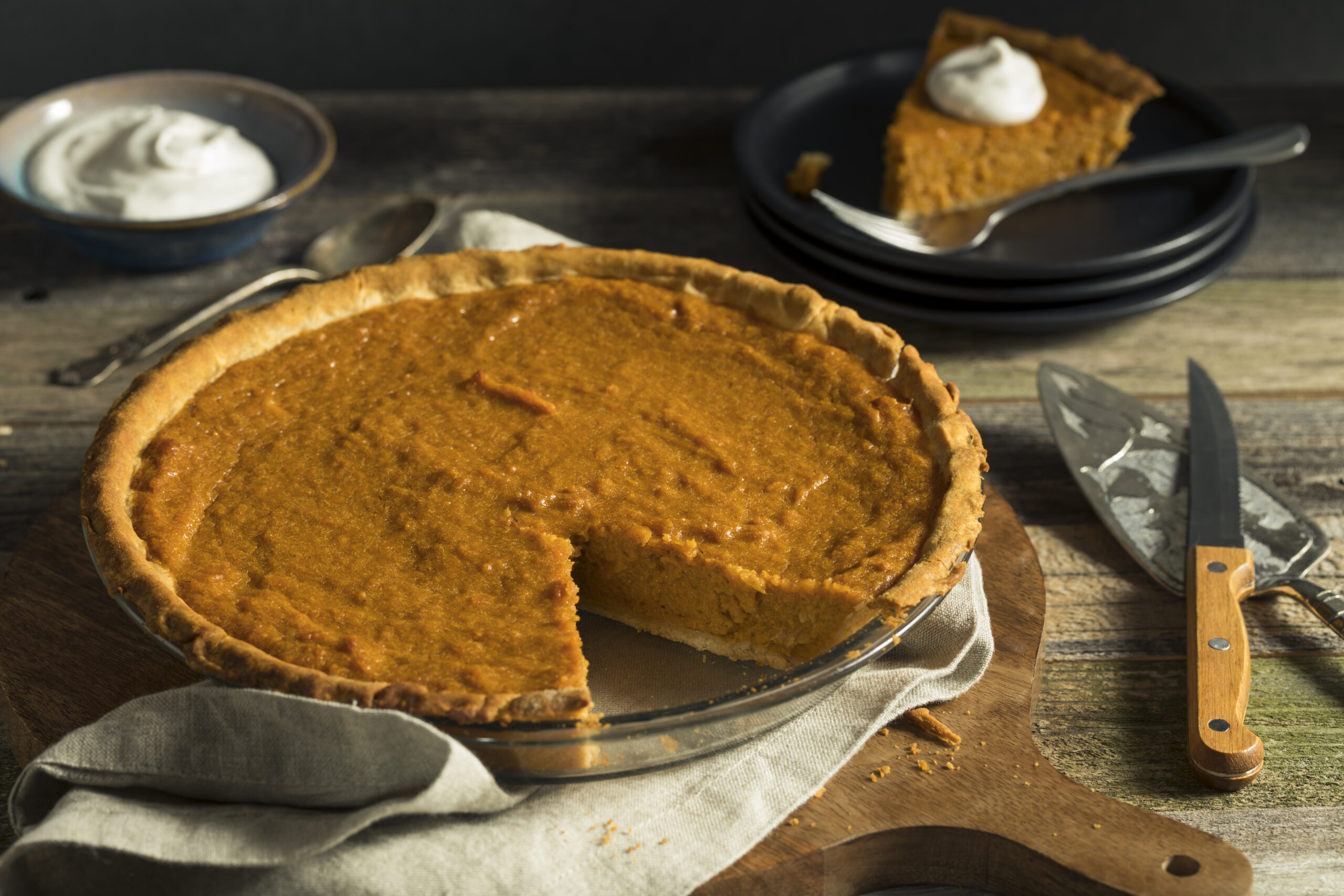
Sweet Potato Pie Today
In contemporary Black households, sweet potato pie continues to hold a place of honor, especially during the holiday season from Thanksgiving through New Year’s Day. But as anyone familiar with Black Southern cooking knows, this dessert isn’t confined to November and December. Sweet potato pie appears at family reunions, church gatherings, Sunday dinners, and casual get-togethers throughout the year.
The pie has also evolved. Day-to-day home and professional bakers add their own touches—extra spices like nutmeg and ginger, crusts made with graham crackers or pecans, or toppings of marshmallow or whipped cream.
Whether served at Thanksgiving or on a random Tuesday in July, sweet potato pie will always be the best choice for Black Americans.
If you want to keep cooking with Home & Texture, subscribe to our newsletter, Plated, to have delicious recipes delivered right to your inbox every week.
Most Popular
popular posts


Spaces
Whether it’s luxury or ease, every area of your home should be as fabulous and unique as you.
5 Easy Lunches That Taste Like You Have Your Life Together
by Jessica Fields | June 4, 2025
3 Easy Winter Soup Recipes to Warm You Up This Month
by Jessica Fields | December 15, 2024
These Southern Pie Recipes Will Put You in Full Gear for the Holidays
by Stixx Matthews | October 21, 2024
FOLLOW ALONG ON INSTAGRAM
#homeandtexture
Find us on social for more home inspiration where culture, personal style, and sophisticated shopping intersect to help you create a home where you love to live.