By Leah Jones
June 30, 2025 at 4:07 PM PST
Need to swap out Cotija for another flavorful cheese? Here are your best options.
Need to swap out Cotija for another flavorful cheese? Here are your best options.
Dabbling in different cuisines is a great way to explore new flavors and ingredients. When venturing into Mexican cuisine, you’re likely to find recipes that call for cotija cheese. This unique and flavorful cheese adds value to the dishes that call for it, but it can be hard to find, especially during certain seasons. Luckily, you can still make most recipes if you don’t have cortija cheese. Here are some cotija cheese substitutes from a variety of different cultures that fit right into your dish as if they were meant to be there.
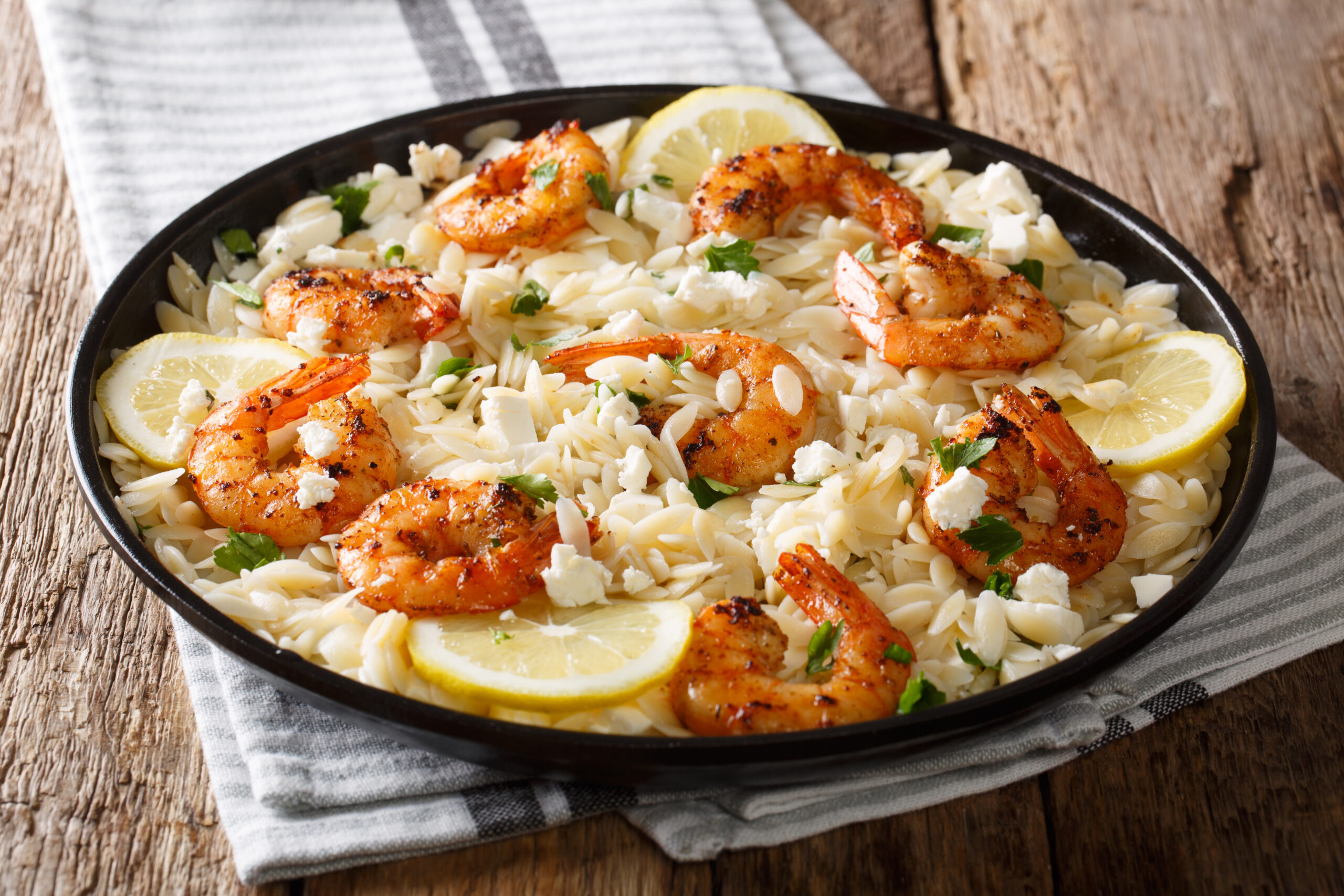
Feta is one of the best substitutes for cotija because of its similar texture and salty flavor profile. Made from sheep’s milk or a mix of sheep and goat’s milk, feta cheese delivers a tanginess and saltiness that mimics young cotija quite well.
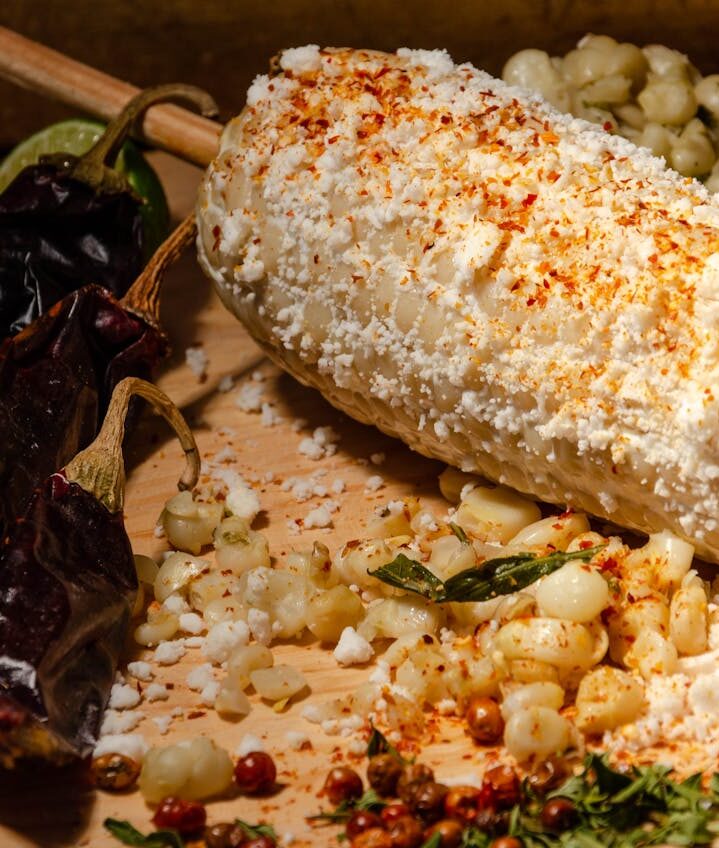
Feta’s firmness when cold and its ability to crumble make it perfect for sprinkling over dishes like tacos, elotes (Mexican street corn), or enchiladas, just as you would with cotija. Although feta is slightly creamier and more acidic, it generally holds up in the same recipes as cotija and provides a satisfying briny bite that enhances savory Mexican dishes.
Aged Parmesan, especially Parmigiano-Reggiano, is an excellent alternative for aged Cotija. Both are hard, dry, and salty cheeses suitable for finely grating over dishes. Parmesan doesn’t crumble quite like cotija, but when grated, it closely mimics the same umami-enhancing quality that cotija provides.
It works particularly well in recipes that require a bold, salty kick, such as on beans, salads, roasted vegetables, or pasta-like Mexican fideos. Parmesan’s depth of flavor makes it a strong stand-in for aged cotija, though it lacks the traditional Mexican origin and flavor nuances.

Queso fresco is a native Mexican cheese, making it a culturally consistent substitute. It’s also easier to find than cortija, especially in chain grocery stores. While milder and less salty than Cotija, it shares a similar crumbly, soft texture, especially compared to young cotija. Queso fresco is excellent for topping dishes because it doesn’t melt. Instead, it softens slightly under heat, just like Cotija.
It’s a great choice when the goal is to retain that creamy, fresh texture while keeping the dish rooted in authentic Mexican ingredients. To bring it closer to Cotija’s saltiness, sprinkle a pinch of salt or let it dry slightly before use.
Ricotta salata is essentially pressed and aged ricotta cheese. The aging process allows it to develop into a firm, crumbly, and salty cheese like cotija. Its texture is ideal for grating or crumbling over dishes, and its flavor is milky yet pleasantly sharp.
Ricotta salata is less tangy than feta and slightly softer than Parmesan, making it a good middle ground substitute. It shines in cold and warm dishes alike, lending that savory finishing touch that cotija is known for in Mexican cuisine.
The one caveat is availability, as ricotta salata isn’t always easy to find in all grocery stores.
Grana Padano is another hard Italian cheese with a granular texture and nutty, salty flavor. It’s a good substitute when the recipe calls for aged cotija, especially for recipes that benefit from the flavor profile of a sharp, aged cheese.
Grana Padano is slightly milder than Parmesan but still rich in umami, making it suitable for dishes like tostadas, soups, or casseroles. It doesn’t have the same crumbliness as Cotija, but it grates well and adds the same finishing touch in both taste and texture.
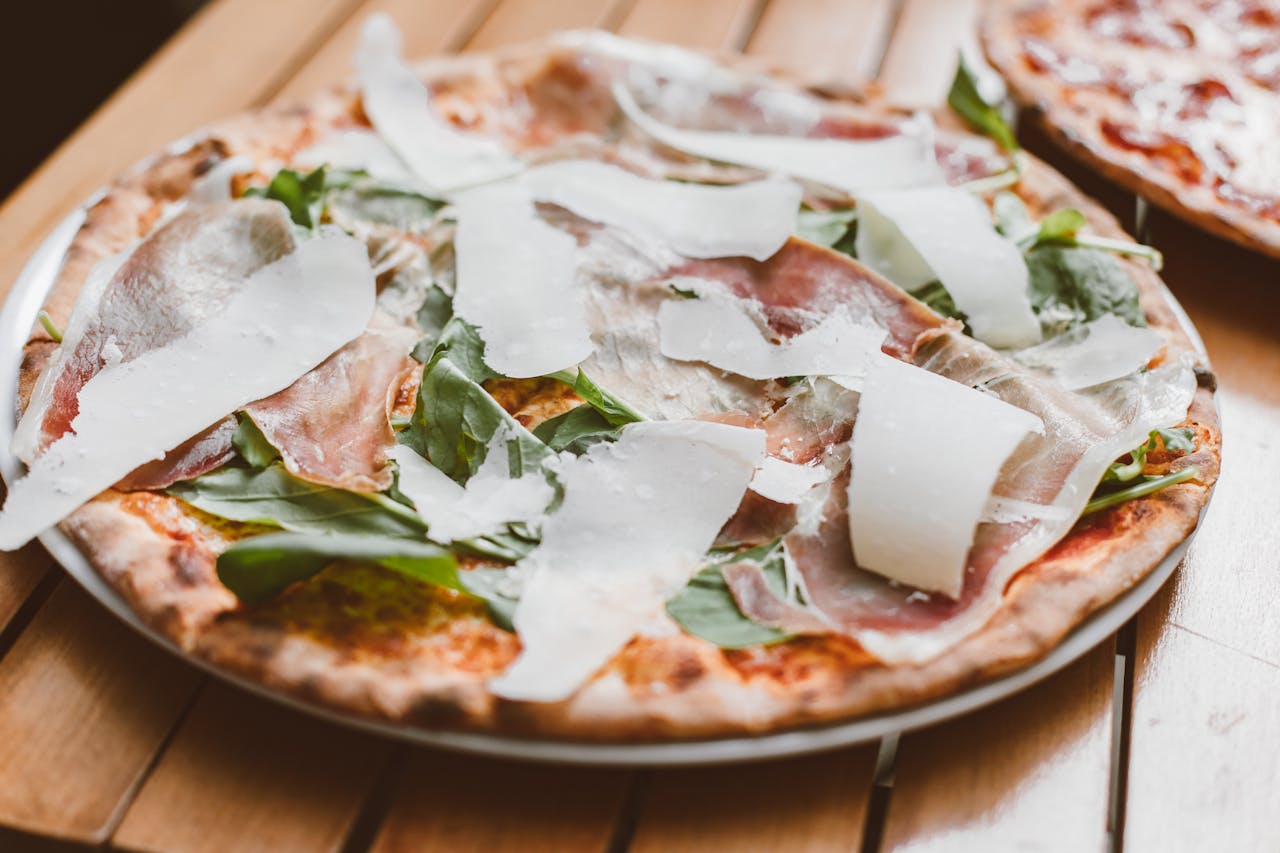
Pecorino Romano is a sharp, salty, and aged sheep’s milk cheese from Italy that makes a solid substitute for aged Cotija. It has a firm, dry texture and can be grated or crumbled easily, delivering a similar punch of saltiness and umami.
Because it’s saltier and more intense than parmesan, it aligns more closely with cotija’s robust flavor, especially aged cotija. It works beautifully as a topping for beans, corn, tacos, or grilled vegetables.
However, the distinctive tang of sheep’s milk gives it a slightly different flavor profile, so it’s best used in moderation when substituting it for cotija.
Dry Jack, a hard-aged version of Monterey Jack cheese, is a lesser-known but highly effective cotija stand-in. It’s American-made but shares cotija’s crumbly, dry texture and salty complexity. As it ages, Dry Jack develops a nutty, intense flavor that echoes aged cotija’s sharpness. It’s firm enough to grate and adds savory depth to dishes like enchiladas, soups, or baked casseroles.
While not as crumbly as young cotija, its versatility and flavor make it a good option when texture and intensity matter equally.
Queso añejo is a traditional Mexican cheese, usually made from skimmed goat’s milk and aged until dry and crumbly. It’s often coated in paprika, which adds a layer of smokiness not found in cotija. However, in terms of texture and use, it’s very close to cotija, especially in dishes like enchiladas, beans, or chili-based sauces where a salty, dry cheese is called for.
Because it comes from the same culinary tradition, it blends seamlessly into Mexican recipes, making it not just a substitute but an authentic alternative with its own flair.
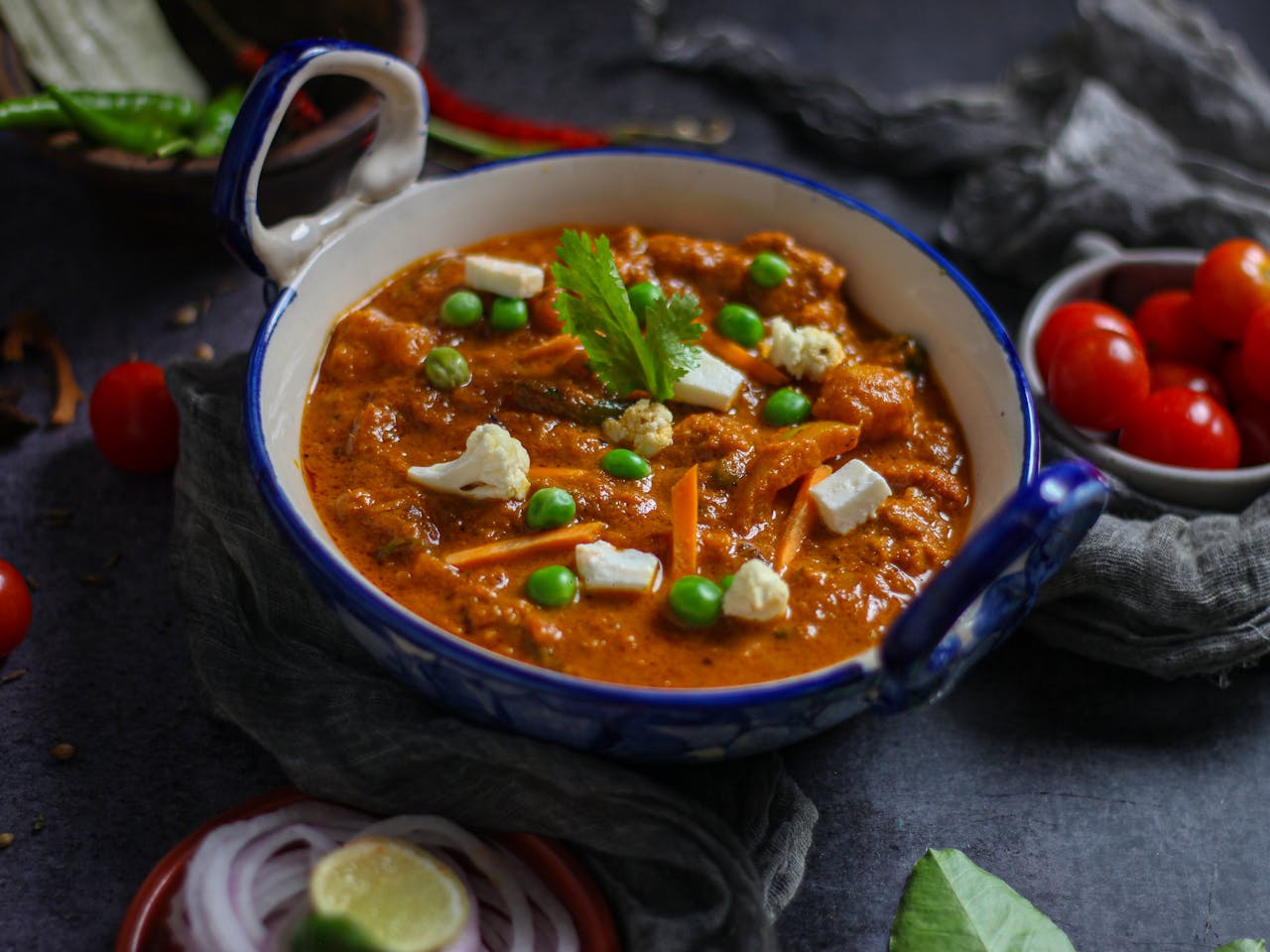
While not traditionally used in Mexican cuisine, paneer, an Indian cheese, can mimic cotija when specially prepared. Fresh paneer is soft and mild, but when crumbled and lightly salted, then dried for a few hours or baked at a low temperature, it takes on a firmer texture similar to young cotija.
It doesn’t melt and keeps its shape in warm dishes, which is key to cotija’s role as a topping cheese. Its neutral flavor allows you to season it to taste, making it a versatile base for replicating cotija’s mouthfeel and presence in a dish.
For plant-based diets, nut-based crumbles made from cashews, almonds, or sunflower seeds seasoned with salt, nutritional yeast, and lemon juice can create an excellent vegan Cotija alternative. These mixtures can be pulsed in a food processor to achieve a crumbly texture, then dried or baked slightly for a firmer bite.
The nutritional yeast imparts umami and cheesiness, while salt and acid help mimic Cotija’s sharp flavor. While they don’t replicate the dairy-based tang exactly, they serve as a flavorful, crumbly topper for vegan tacos, salads, and corn dishes.
In short, Cotija is prized for its saltiness, crumbly texture, and bold character. However, when it’s unavailable or unsuitable for a particular diet or dish, many excellent cotija cheese substitutes replicate its key qualities.
What Is Cotija Cheese?
Cotija cheese is a traditional Mexican cheese made primarily from cow’s milk. Named after the town of Cotija in the state of Michoacán, it is known for its salty, robust flavor and crumbly, dry texture. There are two main types:
Young Cotija – Softer, slightly creamy and easily crumbled, similar to feta or queso fresco.
Aged Cotija (Cotija Añejo) – Hard, dry, and intensely salty, often compared to Parmesan or Pecorino Romano.
Cotija doesn’t melt when heated, which makes it ideal for sprinkling over hot foods like elotes (Mexican street corn), beans, enchiladas, salads, and tacos. It adds a savory, salty finish and boosts umami without overpowering other flavors.
Why Substitute Cotija Cheese?
Availability: Cotija isn’t always easy to find outside of areas with strong Mexican culinary markets. It might not be stocked regularly in international or rural grocery stores.
Dietary Restrictions: People avoiding dairy, lactose, or animal products may seek vegan or plant-based alternatives.
Flavor or Texture Preferences: Some may find Cotija too salty or pungent and prefer a milder alternative like queso fresco or ricotta salata.
Culinary Adaptation: In fusion or international recipes, a cook might use local cheeses with similar characteristics (like feta or Parmesan) to approximate Cotija’s role without sacrificing balance or texture.
Cost: Cotija can be relatively expensive compared to domestic cheeses. Substitutes can be more affordable while still providing a similar experience.
From weeknight dinner ideas to show-stopping desserts, discover recipes that make every meal feel special.

by Stixx Matthews | September 5, 2025


by Shamontiel Vaughn | December 11, 2024
Whether it’s luxury or ease, every area of your home should be as fabulous and unique as you.
by Stixx Matthews | September 29, 2024
Find us on social for more home inspiration where culture, personal style, and sophisticated shopping intersect to help you create a home where you love to live.