By Kelsey Marie
September 8, 2025 at 3:13 PM PST
Learn how to organize your fridge shelves and drawers so your groceries stay fresher, longer.
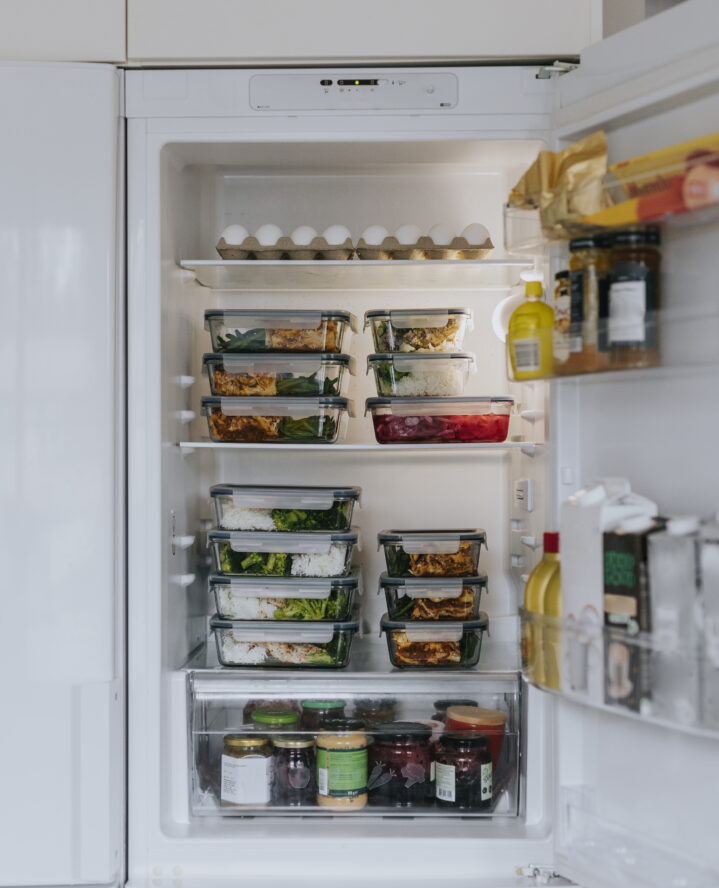
Learn how to organize your fridge shelves and drawers so your groceries stay fresher, longer.
The other day, I was scrolling through Instagram when I stumbled across a reel that stopped me mid-scroll. A woman was breaking down which shelves and drawers in the fridge are meant for specific foods. I realized that while I spend so much time styling my pantry or setting the table just right, I hadn’t given much thought to the science behind how I load my refrigerator. For most of us, fridge organization means tossing groceries wherever they fit. But as it turns out, there’s a method that can keep your food fresher, longer.
View this post on Instagram
Think of your fridge as more than just a cold box. Every shelf, drawer, and door compartment is designed with intention. Once you understand how the temperature shifts in different areas, it becomes a lot easier to assign the right food to the right place.
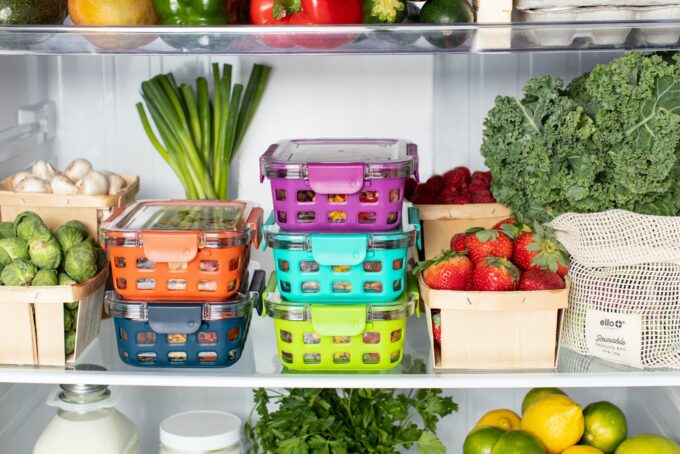
The top of your fridge tends to have the most consistent temperature. It’s the perfect place for items you reach for daily, like leftovers, drinks, herbs, and even deli meats. If you’ve ever opened a container of food only to find it spoiled too soon, storing it up high may extend its life a little longer.
The middle is your everyday zone. This is where you should store milk, yogurt, and cheese. I used to keep my milk in the fridge door because it was convenient, but that’s actually one of the worst spots since it’s subject to constant temperature changes. Moving it to the middle shelf has made a noticeable difference in freshness.
The bottom shelf is the coldest part of the fridge, which makes it ideal for storing raw meat or seafood. Always keep them in sealed containers or trays to avoid drips onto other foods. This one small shift is vital for maintaining a safe, clean fridge.
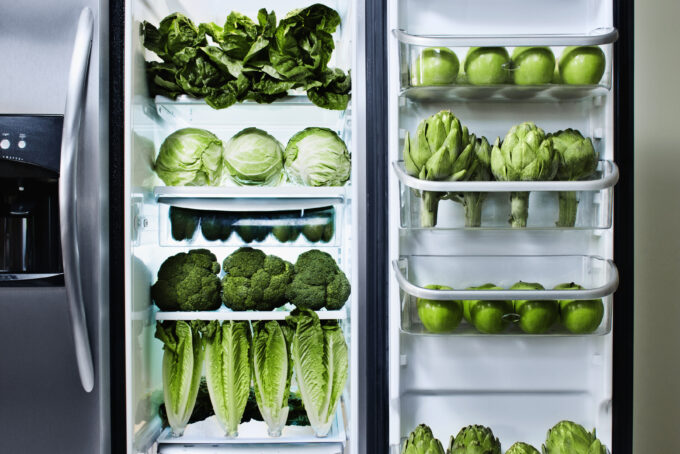
If your fridge has two produce drawers, they’re usually split into high-humidity and low-humidity settings. Leafy greens, fresh herbs, and veggies that wilt easily thrive in high humidity. Fruits, on the other hand, prefer low humidity to stay crisp. If you’ve ever wondered why your spinach turns limp so quickly, it might be because it’s sitting in the wrong drawer.
It’s tempting to store milk, eggs, or even leftovers in the door, but it’s actually the warmest area of the fridge. Instead, use it for condiments, sauces, juices, and items that aren’t as sensitive to temperature changes.
Reorganizing my fridge after that reel felt oddly satisfying. Suddenly, strawberries lasted a few days longer, herbs kept their freshness, and I felt less guilty about food going bad before I could use it.
The beauty of this system is that it doesn’t require fancy bins or acrylic containers. Just knowing where things belong makes your fridge work smarter for you. It’s one of those small home adjustments that makes everyday life feel a little more intentional.
Elevate your home’s allure and alleviate stress with these decluttering need-to-knows.
Whether it’s luxury or ease, every area of your home should be as fabulous and unique as you.
by Stixx Matthews | August 23, 2024
Find us on social for more home inspiration where culture, personal style, and sophisticated shopping intersect to help you create a home where you love to live.