June 24, 2025 at 10:21 PM PST
Homeownership Opinion Renting Empowerment
I Don't Aspire To Be A Homeowner And That's Okay
In a world obsessed with property ownership, choosing a different path can be liberating.
Homeownership Opinion Renting Empowerment
I Don't Aspire To Be A Homeowner And That's Okay
In a world obsessed with property ownership, choosing a different path can be liberating.
June 24, 2025 at 10:21 PM PST
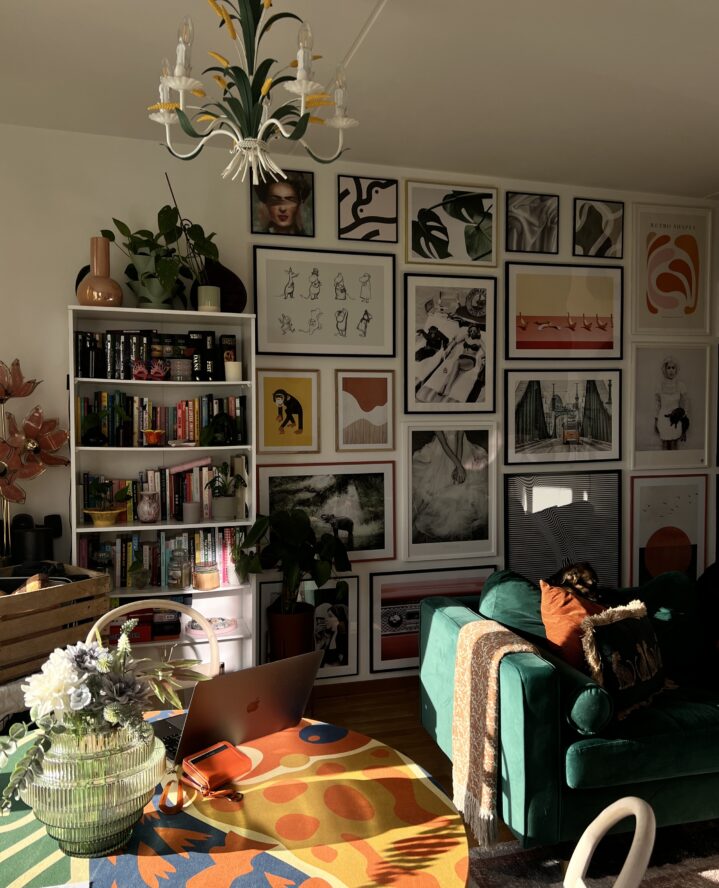
In a society that often equates success with homeownership, I’ve chosen a different path that aligns better with my values and lifestyle. The “American Dream” has traditionally included that picturesque house with a white picket fence, but I’ve come to realize that this particular dream doesn’t have to be mine. As I navigate through my adult life, I’ve become increasingly comfortable with the idea that being a long-term apartment renter suits me perfectly, and that’s completely okay.
The pressure to purchase property comes from all directions — family members who view renting as “throwing money away,” friends posting their new home keys on social media, and financial advisors who emphasize the importance of building equity. But these perspectives often overlook the very real benefits of renting and the significant responsibilities that come with homeownership. Not everyone wants to shoulder the burden of a mortgage that spans decades or deal with the ongoing costs of property taxes, homeowners’ insurance, and maintenance.
My decision to embrace apartment living is about prioritizing what matters most to me: flexibility, convenience, and a sense of peace of mind. In today’s rapidly changing world, where career opportunities might require relocation and economic uncertainties loom large, having the freedom to move without the complications of selling property feels increasingly valuable. I’ve found contentment in a lifestyle that others might view as temporary, recognizing that my definition of success doesn’t require a deed to property.
@smileycitrus the pros and cons of renting vs buying a home 🏡 #rentvsbuy #renting #buyingahouse #homeowner #firsthome #mortgage #savingmoney
The Financial Reality of Homeownership
When people extol the virtues of homeownership, they often focus on building equity—that magical concept of owning more of your home as you pay down your mortgage. While this is indeed a potential financial benefit, it’s just one piece of a much more complicated financial puzzle. The initial costs alone can be staggering: down payments typically range from 3% to 20% of the purchase price, closing costs can add thousands more, and moving expenses quickly add up.
Then there are the ongoing expenses that renters simply don’t have to worry about:
- Property taxes that increase regularly and can amount to thousands annually.
- Homeowners insurance, which is typically more expensive than renters insurance.
- Private mortgage insurance (PMI) for those who put down less than 20%.
- Maintenance and repairs, which financial advisors suggest budgeting 1-4% of your home’s value for annually.
- Homeowners’ Association (HOA) fees in many communities.
In today’s uncertain economy, taking on such significant financial obligations feels particularly risky. With fluctuating interest rates, an unpredictable job market, and the lingering effects of economic downturns, tying up a substantial portion of my net worth in a single, relatively illiquid asset doesn’t align with my financial comfort level. While homeowners may build equity over time, they also assume considerable debt and ongoing expenses that can limit financial flexibility.
The Convenience Factor: A Significant Upside
One of the most underrated benefits of renting is the convenience factor. When something breaks in my apartment, whether it’s a leaky faucet, a malfunctioning appliance, or an HVAC issue, I simply submit a maintenance request. I don’t have to research reliable contractors, get multiple quotes, take time off work to meet them, or dip into savings to cover unexpected repair costs.
This convenience extends beyond repairs to overall property maintenance:
- No mowing lawns, raking leaves, or shoveling snow.
- No responsibility for exterior maintenance or structural issues.
- Access to amenities like pools, fitness centers, and community spaces without the responsibility of maintenance.
- Professional management handling security concerns and common area upkeep.
This arrangement saves me not just money, but something even more valuable: time. The hours homeowners spend on maintenance, repairs, and yard work are hours I can dedicate to my career, relationships, hobbies, or simply relaxation. This freedom from property responsibilities provides a quality of life benefit that’s difficult to quantify but impossible to ignore.
Flexibility in an Unpredictable World
We live in an era of unprecedented change and uncertainty. Remote work opportunities may suddenly open doors to living in new locations. Career advancement might require relocation. Family circumstances can change unexpectedly. In this context, the flexibility of renting becomes not just a convenience but a strategic advantage.
When my lease ends, I have options:
- Renew if I’m happy where I am.
- Move to a different neighborhood, city, or even country.
- Downsize or upgrade based on current financial circumstances.
- Adjust my living situation to accommodate changes in relationships or family size.
Homeowners, by contrast, face a much more complex process when life changes necessitate a move. Selling a home takes time, involves significant costs (typically 8-10% of the sale price goes to agent commissions, closing costs, and other selling expenses), and carries the risk of market downturns affecting value. In some markets, homeowners may find themselves temporarily unable to sell without taking a loss or be forced to become landlords themselves if they need to relocate before selling is feasible.
The Psychological Freedom of Renting
Beyond the practical advantages, there’s a psychological freedom that comes with renting, which is rarely discussed. Homeownership, for all its potential benefits, comes with constant worry about property values, neighborhood changes, and maintenance issues. Every strange noise might signal an expensive repair. Every economic downturn raises concerns about property values and underwater mortgages.
As a renter, I’m free from these particular anxieties. My housing costs are predictable for the duration of my lease. I don’t lie awake at night worrying about roof replacements or foundation issues. If the neighborhood changes in ways that no longer suit me, I can move when my lease allows.
This peace of mind extends to financial planning as well. Rather than having a significant portion of my net worth tied up in a single asset, I can diversify my investments across various vehicles—stocks, bonds, retirement accounts, and other opportunities. This diversification can potentially provide better returns than home equity in some markets while offering greater protection against sector-specific downturns.
Challenging the “Throwing Money Away” Myth
Perhaps the most common criticism renters face is the assertion that they’re “throwing money away” while homeowners are “building equity.” This oversimplification ignores several important realities:
- Mortgage interest, especially in the early years of a loan, constitutes the majority of monthly payments.
- Property taxes and insurance don’t build equity.
- Maintenance and repairs represent ongoing expenses that never convert to equity.
- Housing markets can stagnate or decline, potentially trapping owners in negative equity situations.
What critics of renting fail to recognize is that housing, whether owned or rented, is fundamentally a consumption good. We all need shelter, and we all pay for it one way or another. The difference is in how we pay and what additional benefits or responsibilities come with our choice.
A more nuanced financial comparison would consider the potential opportunity cost of a down payment. The substantial sum required for a down payment, if invested instead in a diversified portfolio, could potentially grow significantly over the same period. While this approach doesn’t provide the same forced savings mechanism that mortgage payments do, it offers greater liquidity and potentially higher returns depending on market conditions.
Cultural Shifts and Changing Perspectives
Fortunately, the cultural stigma around long-term renting is beginning to shift, particularly in younger generations. Millennials and Gen Z are more likely than their predecessors to value experiences over possessions, mobility over stability, and flexibility over commitment. Many have witnessed the housing market crash of 2008 and its aftermath, making them more cautious about viewing homes primarily as investments.
Additionally, urbanization trends have normalized apartment living. In major cities worldwide, renting is often the norm rather than the exception, even among high-income professionals. Countries like Germany, Switzerland, and Austria have long had cultures where renting is common and not seen as a failure to achieve financial milestones.
These shifting perspectives are creating space for more nuanced conversations about housing choices that focus less on universal prescriptions and more on individual circumstances, values, and goals. As these conversations evolve, the pressure to conform to traditional expectations of homeownership continues to decrease.
Making Peace with My Choice
Coming to terms with my preference for renting hasn’t always been easy. I’ve had to examine my own internalized expectations about adult success and achievement. I’ve had to politely but firmly respond to well-meaning family members who send me real estate listings or warn me about “having nothing to show” for my housing payments.
What’s helped most in this journey is clarity about my own values and priorities:
- I value flexibility and the ability to relocate without major financial entanglements.
- I appreciate the convenience of maintenance-free living.
- I prefer financial diversification over concentration in a single asset.
- I prioritize time and peace of mind over potential equity gains.
With these values clearly identified, it becomes much easier to feel confident in my housing choices, even when they diverge from conventional wisdom or family expectations. This isn’t to say that homeownership is inherently wrong or disadvantageous; it’s simply not the right choice for everyone, and it’s not the right choice for me at this point in my life.
Embracing Alternative Housing Paths
The decision between renting and buying is deeply personal, influenced by financial circumstances, lifestyle preferences, values, and future plans. There is no universally “correct” choice that applies to everyone. What matters is making an informed decision aligned with your own priorities and circumstances.
For me, embracing apartment living represents a conscious choice to prioritize flexibility, convenience, and financial diversification over the potential benefits of homeownership. This choice isn’t a temporary phase or a fallback position; it’s a valid lifestyle decision that supports my values and goals.
So if you, like me, don’t aspire to homeownership, know that you’re not alone. Your housing choices don’t define your success, financial savvy, or adulthood status. In a world of diverse lifestyles and priorities, choosing the housing arrangement that best supports your well-being and goals is the truly smart decision, even if it doesn’t come with a deed and a mortgage.
Most Popular
popular posts
homeownership
Home is a safe place where relationships flourish and the cornerstone of neighborhoods. We believe it’s the setting that surrounds your phenomenal story.

5 Thoughtful Gifts for the First-Time Homeowner in Your Life
by Kelsey Marie | October 30, 2023

Should You Start Flipping Houses? Here Are the Pros and Cons
by Melody Beuzelin | January 29, 2024

These Are the Harsh Realities About the World of Real Estate
by Melody Beuzelin | November 1, 2024
FOLLOW ALONG ON INSTAGRAM
#homeandtexture
Find us on social for more home inspiration where culture, personal style, and sophisticated shopping intersect to help you create a home where you love to live.