July 28, 2025 at 10:27 PM PST
Decorate Living Room Living Room Styling
15 Things All Well-Styled Living Rooms Have in Common
From layout to lighting, these timeless tips will help you design a living room that looks as good as it feels.
Decorate Living Room Living Room Styling
15 Things All Well-Styled Living Rooms Have in Common
From layout to lighting, these timeless tips will help you design a living room that looks as good as it feels.
July 28, 2025 at 10:27 PM PST
Your living room is more than just another space in your home — it’s the central hub where life unfolds, conversations flow, and memories are created. As the most public area of your personal sanctuary, it deserves thoughtful consideration that balances aesthetics with functionality. Whether you’re starting from scratch in a new home or refreshing a space that no longer feels right, understanding the foundational principles of living room design can transform an ordinary room into an extraordinary one.
The challenge many face isn’t a lack of inspiration — we’re bombarded with beautiful images daily, but rather how to translate that inspiration into a cohesive, personalized space. The most inviting living rooms aren’t those that adhere strictly to trends or replicate showroom displays; they’re the ones that reflect the people who live there while following certain universal design principles that simply work. These principles transcend passing fads and create spaces that feel timeless, comfortable, and authentically yours.
In this guide, we’ll explore the essential rules for styling a living room that will serve you well regardless of your personal taste, budget, or the size of your space. These are the fundamentals that’ll create the framework for a well-designed living room, leaving plenty of room for your unique preferences and lifestyle needs. Whether you’re a minimalist at heart or drawn to maximalist expression, these guidelines will help you create a living room that not only looks good but feels right for the way you live.
@beingcrystalnicolee Let’s decorate + setup my new living room! Ahh, Imk what you think in the comments!! #homedecor #livingroom #livingroomdecor #amazonhome #amazonmusthaves #fyp
Start With a Thoughtful Layout
The foundation of any well-designed living room begins with its layout. Before selecting furniture or accessories, consider how people will move through and use the space.
Tip: Create Conversation Areas
Arrange seating so that people can comfortably converse without raising their voices. Position furniture so that no seat is more than 8 feet from another, and ensure paths through the room are clear and intuitive.
Tip: Establish a Focal Point
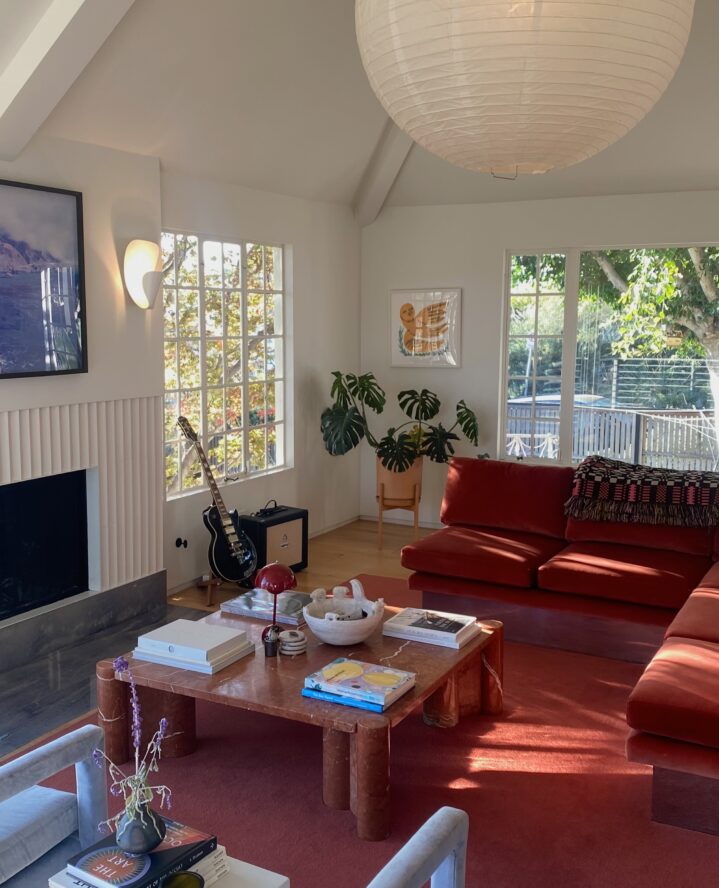
Every living room needs a focal point—a fireplace, a window with a view, an entertainment center, or a striking artwork. Position your furniture to highlight, rather than compete with, this feature.
Master the Art of Proportions
Proper scaling ensures your space feels balanced and comfortable, avoiding the common mistake of furniture that’s too large or too small for the room.
Tip: Size Furniture to Your Space
In smaller rooms, choose streamlined pieces and consider multifunctional furniture. For larger spaces, substantial pieces prevent the room from feeling empty, provided there is appropriate spacing between items.
Tip: Mind the Rug Size
Your area rug should be large enough that at least the front legs of all seating pieces rest on it, typically 8′ x 10′ or larger for standard living rooms.
Develop a Cohesive Color Palette
A thoughtful color scheme creates harmony and sets the mood for your living room.
Tip: Follow the 60-30-10 Rule
Use your primary color for 60% of the room (walls, large furniture), secondary color for 30% (accent furniture, curtains), and accent color for 10% (accessories, artwork) to create visual balance.
Tip: Build Around What You Love
Use a favorite rug, artwork, or textile as inspiration for your color palette, pulling tones directly from the piece to ensure a harmonious color scheme.
Layer Your Lighting
Adequate lighting transforms the atmosphere and functionality of your living room.
Tip: Include Three Types of Lighting
Incorporate ambient lighting for overall illumination, task lighting for tasks such as reading or other activities, and accent lighting to highlight architectural features or artwork.
Tip: Vary Light Heights
Place light sources at different levels—overhead fixtures, floor lamps (5-6 feet high), and table lamps (26-34 inches high)—to create dimension and eliminate harsh shadows.
Add Texture and Dimension
Texture adds visual interest and completes a space, even in simple designs.
Tip: Mix Materials
Combine smooth (glass, polished metal), rough (natural wood, stone), and soft surfaces (textiles) to add depth and tactile appeal to your living room.
Tip: Layer Textiles
Start with a textured area rug, add upholstered furniture, then incorporate throw pillows in varying fabrics and a cozy blanket to create warmth and visual complexity.
Personalize With Meaningful Accessories
The finishing touches make a living room uniquely yours and prevent it from looking like a showroom display.
Tip: Curate, Don’t Decorate
Select accessories that have personal meaning—books that reflect your interests, travel souvenirs, or family heirlooms—rather than generic items that merely fill space.
Tip: Practice Restraint
Choose fewer, more impactful pieces rather than numerous small objects. Quality over quantity creates a more sophisticated look and prevents visual clutter.
Finding Your Personal Style
Your decorating style should evolve naturally as you discover what truly resonates with you.
Tip: Create a Design Inspiration Board
Collect images of rooms you love without overthinking why. After gathering 20-30 photos, look for patterns that reveal your authentic preferences.
Tip: Start With Quality Foundation Pieces
Invest in the best sofa and key furniture pieces you can afford, then build around them gradually as you understand how you use the space and what aesthetic speaks to you.
Tip: Give Yourself Permission to Evolve
Begin with neutral foundations and experiment with color and pattern through less expensive items like pillows and art. Your living room should grow with you—the most inviting spaces aren’t created overnight but develop over time.
Most Popular
popular posts
Decorate
Access design inspiration that infuses personality and culture into your spaces.

Spaces
Whether it’s luxury or ease, every area of your home should be as fabulous and unique as you.

8 Scary Home Entrance Ideas for a Frightening Front Yard This Halloween
by Brittni Williams | October 19, 2023

FOLLOW ALONG ON INSTAGRAM
#homeandtexture
Find us on social for more home inspiration where culture, personal style, and sophisticated shopping intersect to help you create a home where you love to live.