By Kelsey Marie
January 23, 2026 at 4:57 PM PST
Once used as currency and spiritual protection, cowrie shells now occupy shelves, tables, and walls—often stripped of their original meaning.

Once used as currency and spiritual protection, cowrie shells now occupy shelves, tables, and walls—often stripped of their original meaning.
Cowrie shells have a long, layered history that stretches far beyond their recent resurgence in home decor. Long before they appeared on coffee tables, wall hangings, or sculptural objects, cowries carried meaning tied to trade, spirituality, protection, and identity across African, Asian, and Pacific cultures. Today, as cowrie shells show up in contemporary interiors, they carry both aesthetic appeal and cultural weight, raising important questions about how history travels into modern spaces.
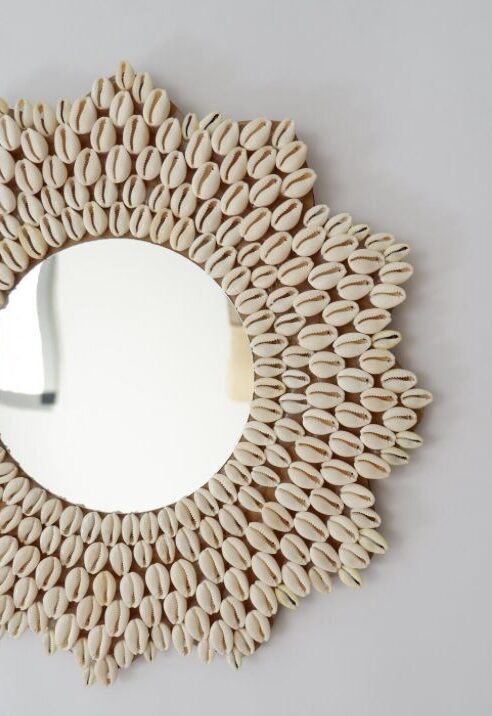
Cowrie shells were once among the most widely used forms of currency in the world. For centuries, they circulated across West Africa, parts of East Africa, South Asia, and Southeast Asia as a system of exchange long before colonial monetary systems took hold. Their durability, portability, and uniform shape made them well-suited for trade, while their scarcity in inland regions added to their value.
In West Africa, in particular, cowries became embedded in economic life, used in markets, for dowries, and in everyday transactions. Their role as currency tied them directly to labor, land, and survival, grounding the shell in lived experience rather than ornament. This history matters because it positions cowrie shells not as decorative objects first, but as tools that shaped economies and communities.
Beyond trade, cowrie shells carried spiritual significance across many cultures. In several African traditions, cowries were associated with fertility, protection, and divine connection. Their shape, often likened to the human eye or body, linked them to ideas of life, creation, and continuity. Cowries appeared in rituals, divination practices, and ceremonial dress, serving as markers of spiritual authority and guidance.
They were also believed to ward off harm, which led to their use in jewelry, clothing, and adornments worn close to the body.
As the transatlantic slave trade displaced millions of Africans, cultural symbols traveled with them, including the cowrie shell. In the Americas and the Caribbean, cowries retained spiritual meaning within diasporic religious practices such as Yoruba-based traditions and other African-derived belief systems. Even as conditions changed, the shell remained a point of cultural continuity.
Over time, cowrie shells also became a visible marker of Black identity, resistance, and cultural memory. During the Black Power movement and later cultural renaissances, cowries appeared in fashion, art, and adornment as a way to reconnect with African heritage.
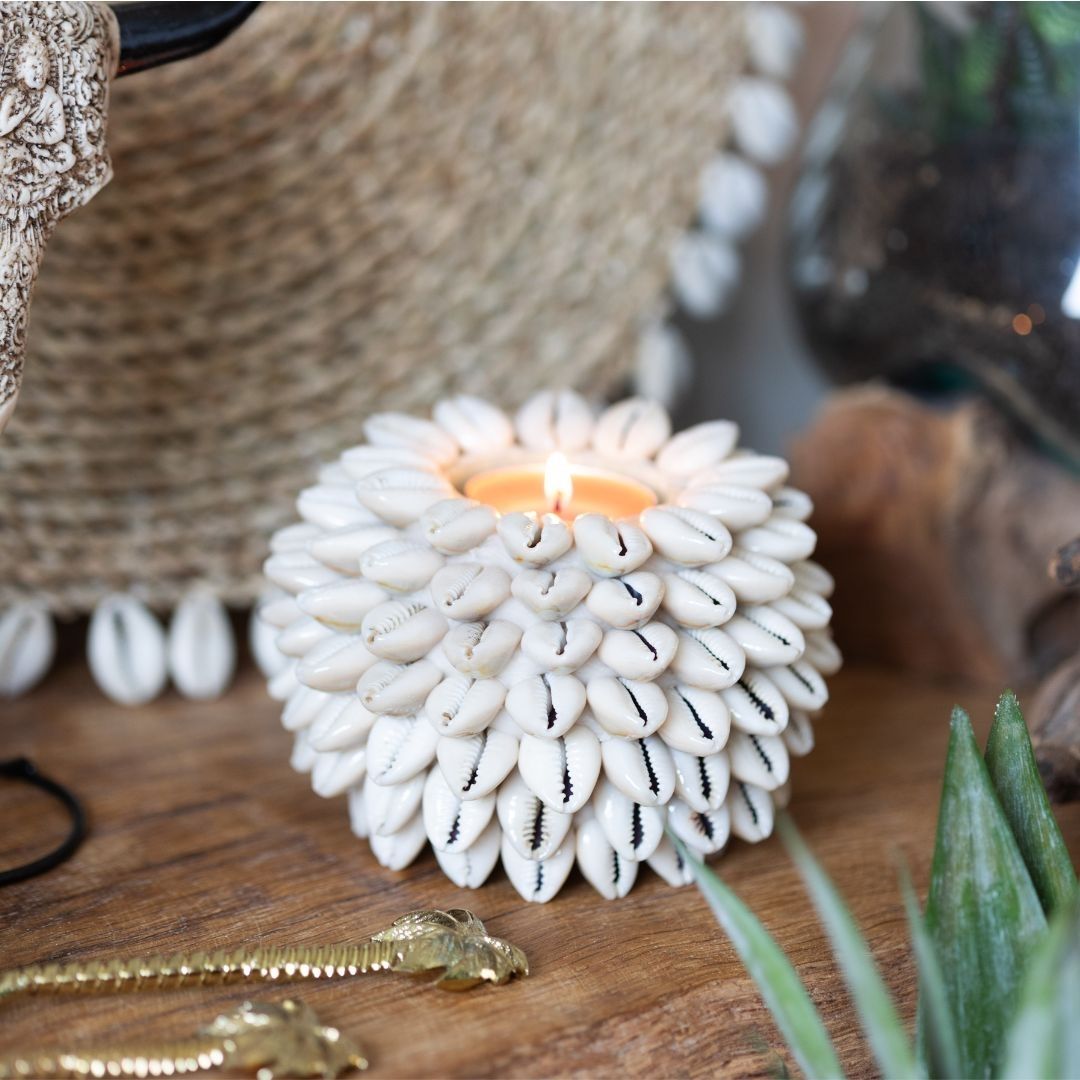
The shift from cultural symbol to decoration did not happen in isolation. As global design trends began pulling from African and Indigenous aesthetics, cowrie shells entered Western interiors largely stripped of their original context. They were reframed as exotic accents, neutral textures, or bohemian embellishments, often without acknowledging their origins.
In many cases, cowries were reduced to pattern or surface detail, detached from the histories of trade, spirituality, and survival that shaped their meaning. This transition reflects a broader pattern in design where cultural objects are absorbed into mainstream aesthetics without proper credit or care.
The use of cowrie shells in home decor raises questions about appropriation versus appreciation. When cultural symbols are used solely for visual appeal, without understanding or acknowledgement of their significance, the result can dilute meaning and erase history. This is especially true when objects tied to colonization, displacement, and spiritual practice are treated as interchangeable decor.
Responsible design begins with awareness. Knowing where an object comes from, how it was used, and what it represented allows for more thoughtful engagement. It also opens space to support artisans, designers, and brands that honor cultural lineage rather than extract from it.
Designers and artists from the African diaspora are reintroducing cowries into home objects that reflect cultural memory alongside modern form. Sculptural pieces, wall installations, and handmade vessels use cowries as part of a broader narrative.
When incorporated with care, cowrie shells can act as visual anchors that carry history into contemporary spaces. Their presence signals lineage, storytelling, and connection.
Cowrie shells remind us that objects carry stories before they enter our living rooms. Their journey from currency to sacred symbol to decor element reflects how culture moves, adapts, and sometimes gets misinterpreted along the way.
For The Art of Home, the relevance of cowrie shells lies in their ability to hold history while occupying modern space. When chosen with awareness and placed with care, they invite a stronger relationship between home, culture, and memory, one that acknowledges where objects come from and what they continue to represent.
Explore the artists, exhibits, and collections shaping contemporary art in homes and galleries around the world.

by Kelsey Marie | January 21, 2026
by Erika Hardison | July 27, 2023

by Stixx Matthews | February 17, 2025
Whether it’s luxury or ease, every area of your home should be as fabulous and unique as you.

by Stixx Matthews | November 20, 2024
by Kelsey Marie | November 6, 2024


Find us on social for more home inspiration where culture, personal style, and sophisticated shopping intersect to help you create a home where you love to live.