By Kelsey Marie
March 20, 2026 at 3:50 PM PST
Across continents, designers continue to draw from the region’s layered textures, natural materials, and sense of ease.
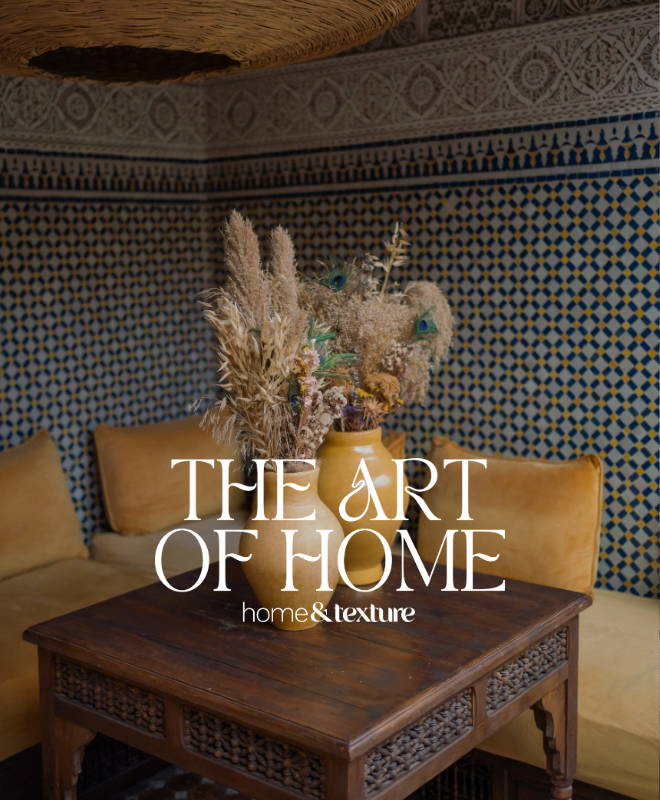
Across continents, designers continue to draw from the region’s layered textures, natural materials, and sense of ease.
Walk into a North African home and the first thing you notice isn’t a single statement piece or a perfectly styled corner. It’s the atmosphere — the way the room holds warmth, the way textures, color and objects settle into one another with ease. Nothing feels overly arranged, yet every detail is intentional.
Across Morocco, Tunisia, Egypt, and Algeria, interiors are influenced by a connection to craft and daily life. These are spaces that evolve over time, where materials are choen for how they feel as much as how they look, and where design is experienced rather than performed. That sensibility has had an impact on interiors far beyond the region, especially as more people begin to move toward homes that feel layered and personal.
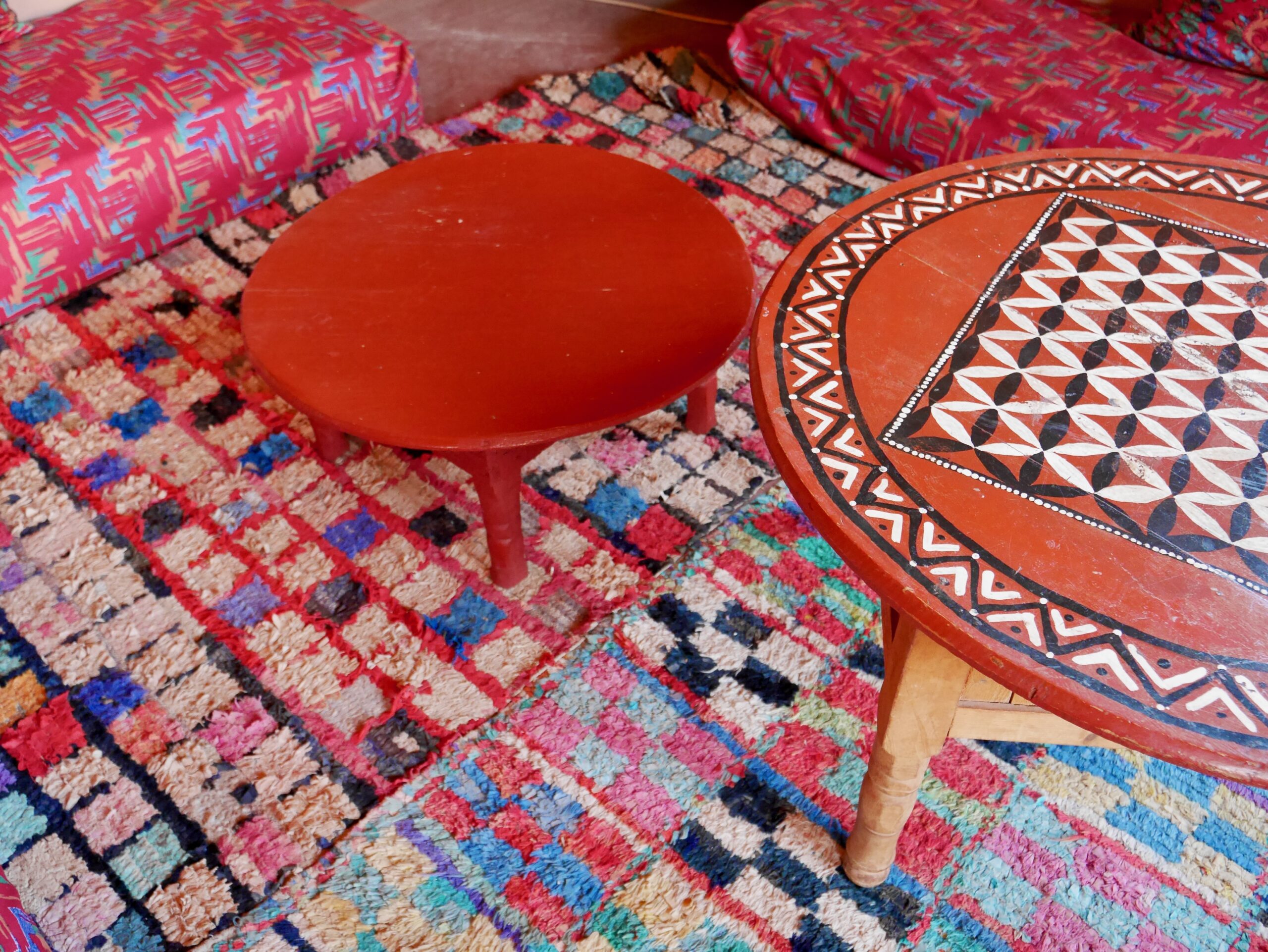
Instead of centering everything on one focal point, North African homes tend to build through layers — rugs placed over one another, low seating arranged for conversation and connections, textiles that soften and anchor the room at the same time.
The layout invites people to settle in. Seating is often closer to the ground because it creates a more relaxed, communal environment that encourages gathering rather than formality. There’s a natural flow to how the space is used, one that prioritizes comfort without sacrificing beauty.
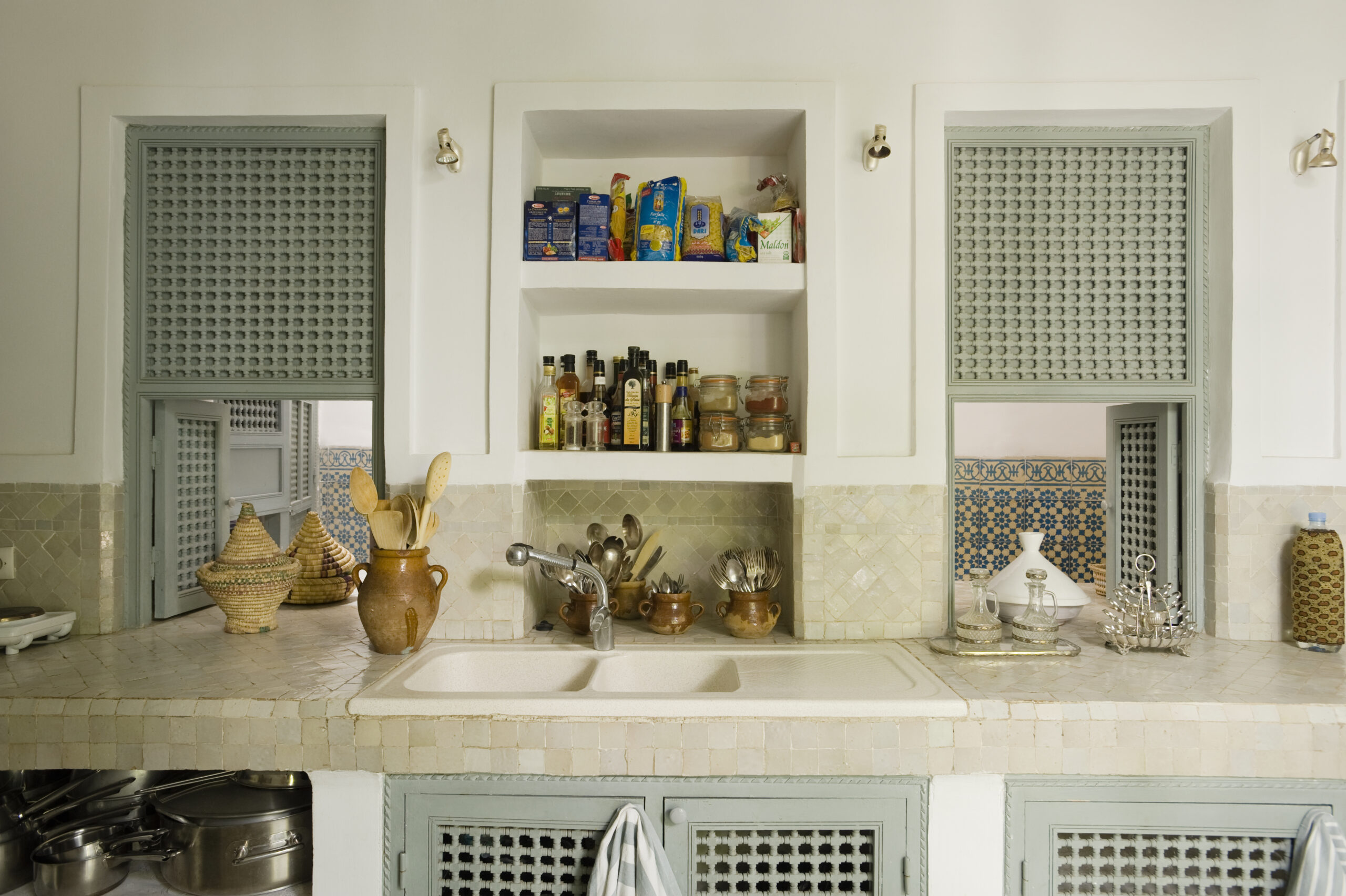
The tones in North African homes often reflect the surrounding landscape — clay reds, sun-washed ochers, deep indigos, and soft neutrals that mirror sand and stone.
In Moroccan interiors, warm terracotta walls might sit alongside neutral linens and handwoven rugs, creating contrast without tension. In coastal areas, blue and white palettes echo the proximity to water, bringing a sense of calm.
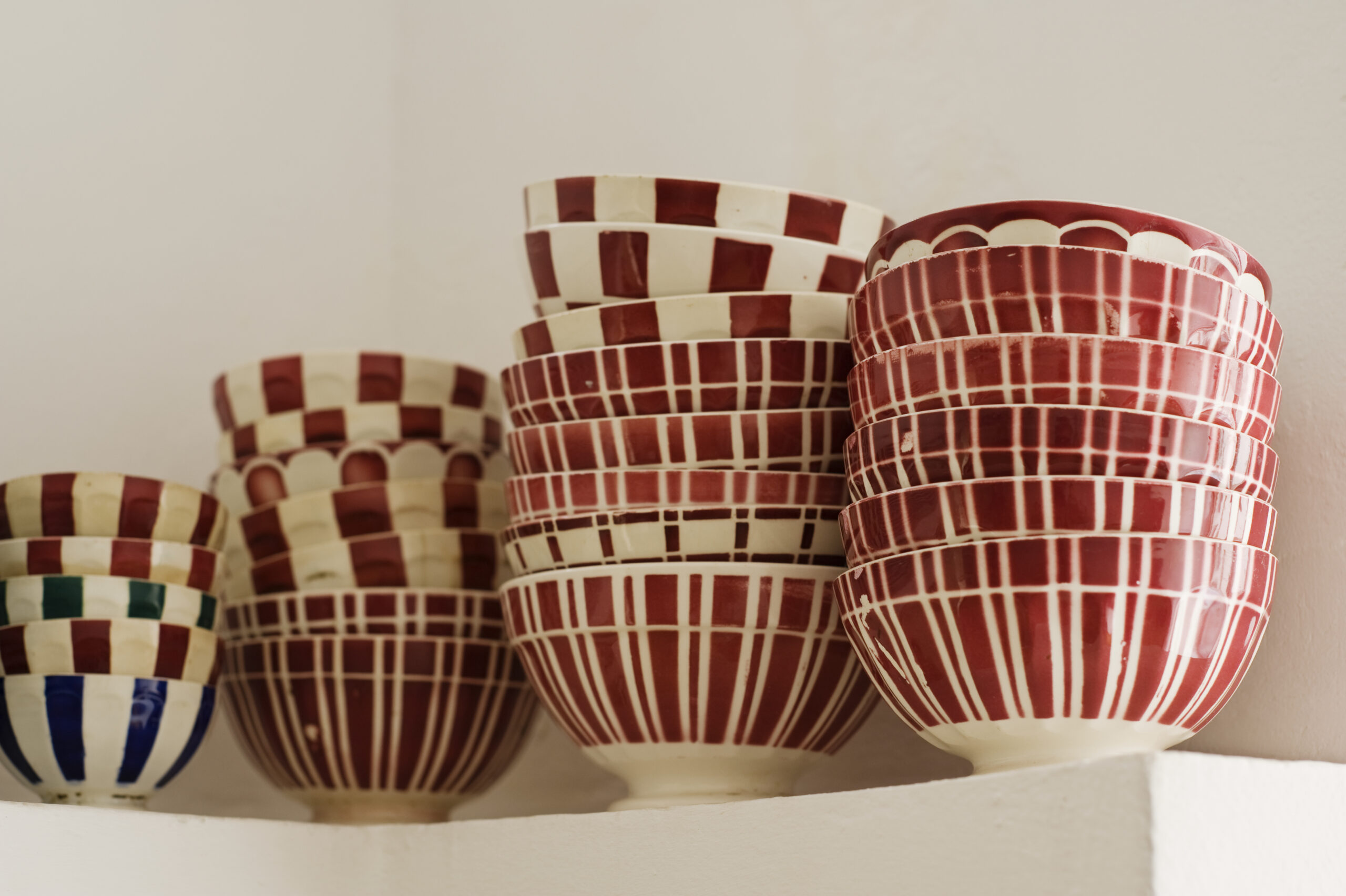
Craft is not treated as decoration in North African homes. It is embedded into the foundation of the space. You can expect hand-cut tiles, carved wood, woven baskets, and ceramic vessels as part of daily life, used and lived with rather than set aside for display.
There is an appreciation for the hand behind each object. The slight variations in a tile, the irregular edge of a vessel, the texture of a woven piece — these details bring depth to a space in a way that mass production rarely can.
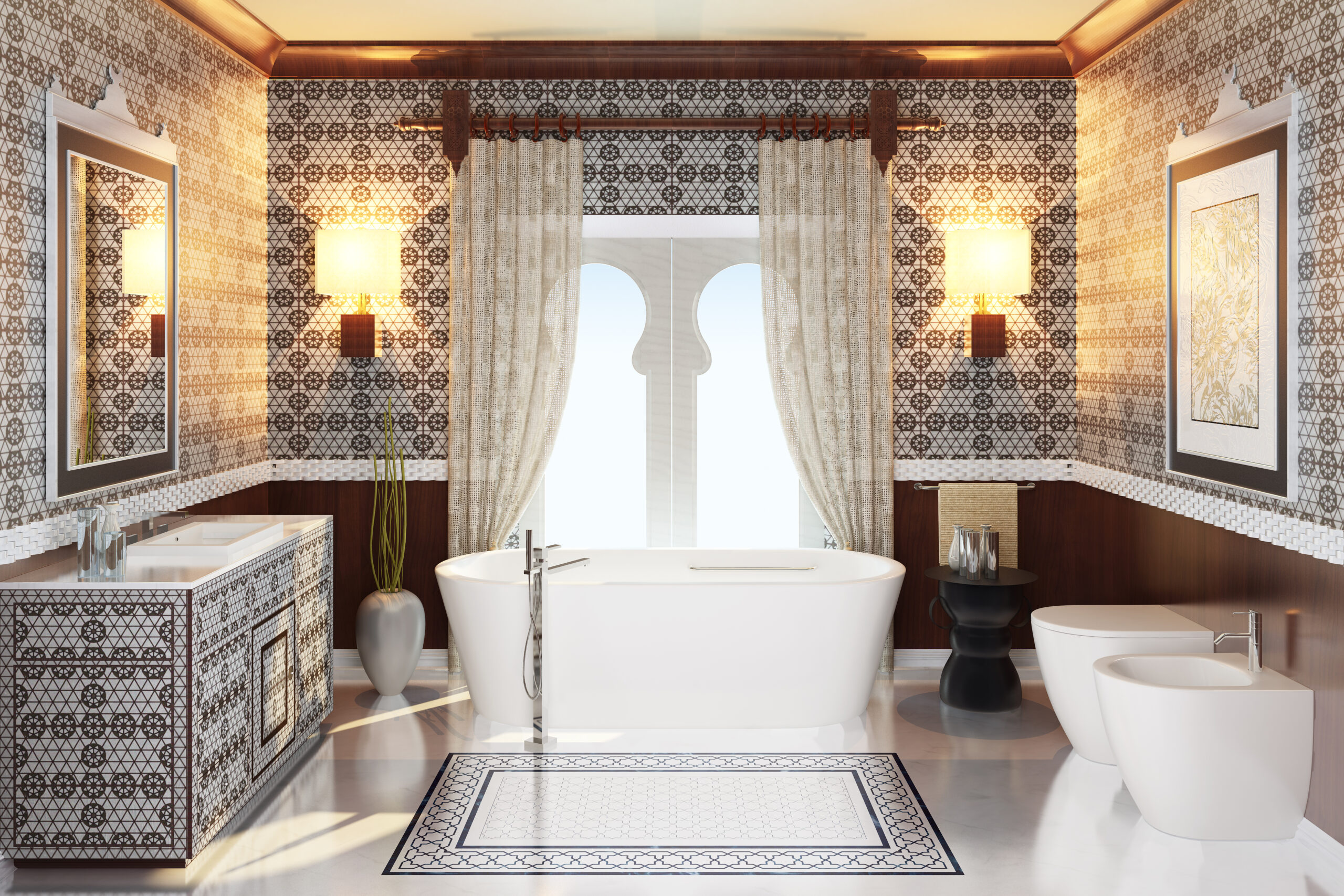
Texture is where North African interiors come fully to life. Plaster walls, aged wood, layered textures, and natural fibers create an environment that feels soft, dimensional, and lived in.
Surfaces carry subtle imperfections that add character. Light moves differently across these materials, catching on uneven finishes and woven patterns in a way that gives the room a sense of depth throughout the day.
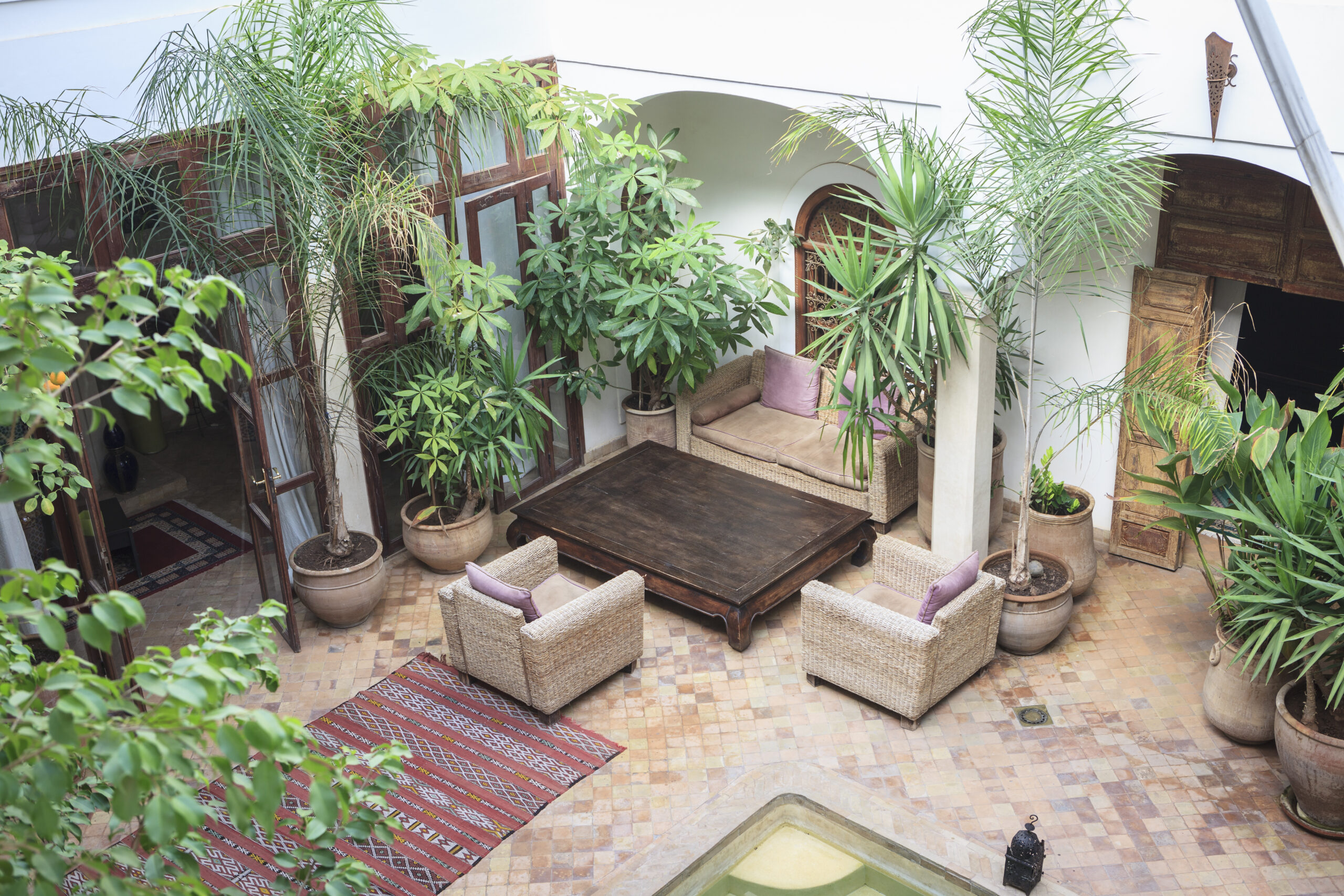
In many homes, especially in Morocco, the relationship between indoor and outdoor space is seamless. Courtyards, terraces, and open-air areas are central to how the home is experienced.
Even in more compact settings, there is often an effort to bring elements of the outdoors inside through plants, natural materials, and an openness to light and air.
What makes the aesthetic of North African homes so resonant is its sense of permanence. These interiors come together slowly through use, memory, and time.
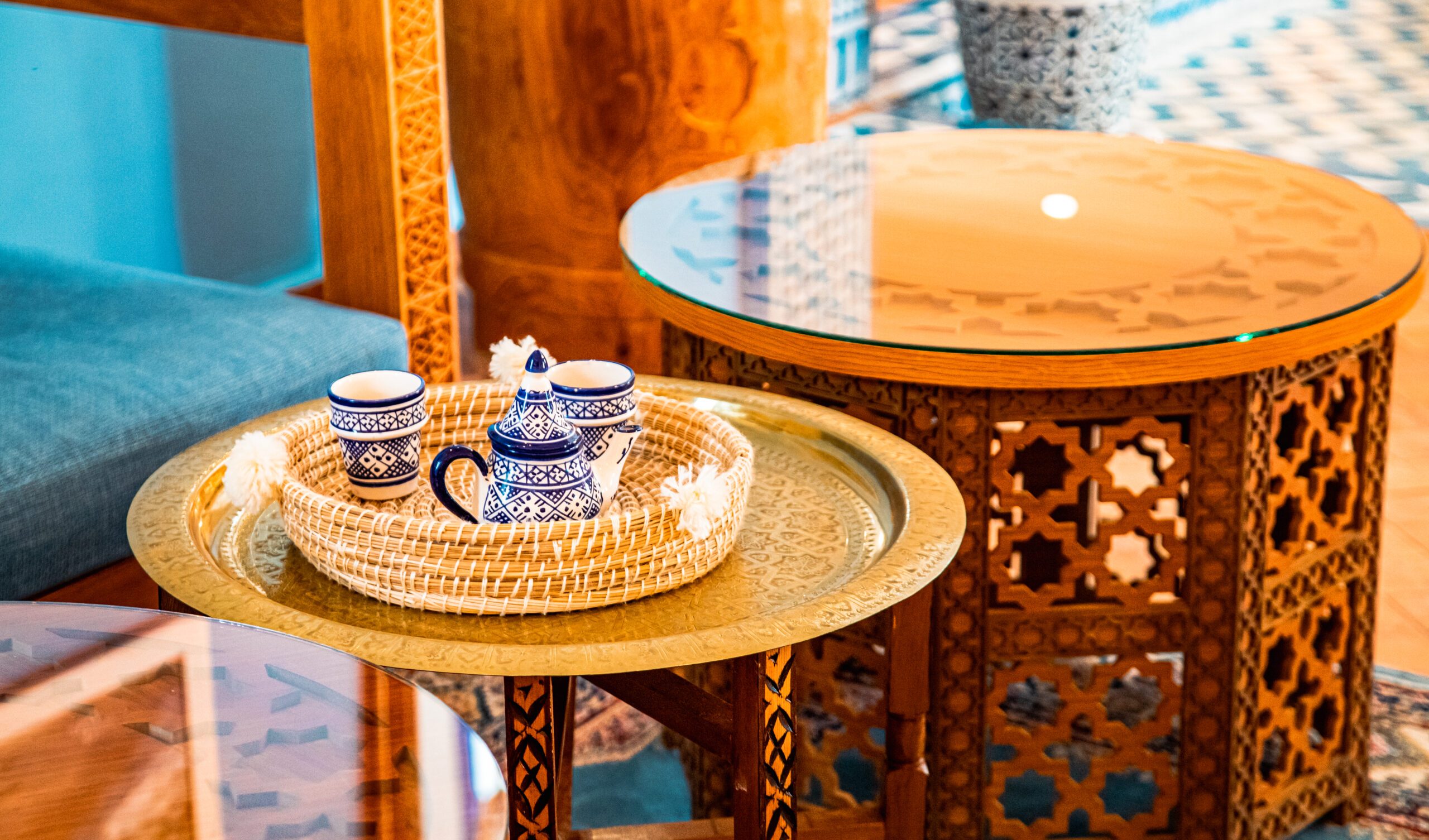
A room does not need to feel finished in the traditional sense to feel complete.
As global design continues to evolve, that perspective feels increasingly relevant. Homes are becoming more personal, layered, and more reflective of the lives unfolding inside of them. And in many ways, that change echoes what North African interiors have long embodied.
Explore the artists, exhibits, and collections shaping contemporary art in homes and galleries around the world.
by Jessica Fields | December 18, 2024
Whether it’s luxury or ease, every area of your home should be as fabulous and unique as you.

by Stixx Matthews | November 27, 2024
by Jessica Fields | December 18, 2024
Find us on social for more home inspiration where culture, personal style, and sophisticated shopping intersect to help you create a home where you love to live.