March 5, 2025 at 5:04 PM PST
Decorate Home Decor Style
You Don't Have To Be an Interior Designer to Know How to Find Your Home Decor Style
You've bought a home and moved in, and now it's time to decorate your living space. Do you have to be an interior designer to do it? No.
Decorate Home Decor Style
You Don't Have To Be an Interior Designer to Know How to Find Your Home Decor Style
You've bought a home and moved in, and now it's time to decorate your living space. Do you have to be an interior designer to do it? No.
March 5, 2025 at 5:04 PM PST
You’ve read the bylaws. You’ve bought a home, and you didn’t let ongoing debt get in your way. You’ve already signed that mountain-high pack of paperwork on closing day, and the movers have come and gone. You’ve done a reasonable job of unpacking all those boxes. But as a first-time homeowner, you’re now wondering how to find your home decor style.
You’re so used to landlords telling you about not putting nails in walls, what type of house blinds you can use, what kind of floors you must maintain and why you are banned from having a dog. And now that you own a home, this is your chance to do whatever you want — from adopting a puppy to painting an accent wall to starting your own backyard garden. But all this new freedom can be a little overwhelming because now it’s on you to decide how to make a house into a home (with or without Luther Vandross music playing in the background).
So how do you find the home decor style that suits you best? Try these seven ideas.
Don’t Feel Cornered Into Following the Same Style in Every Room
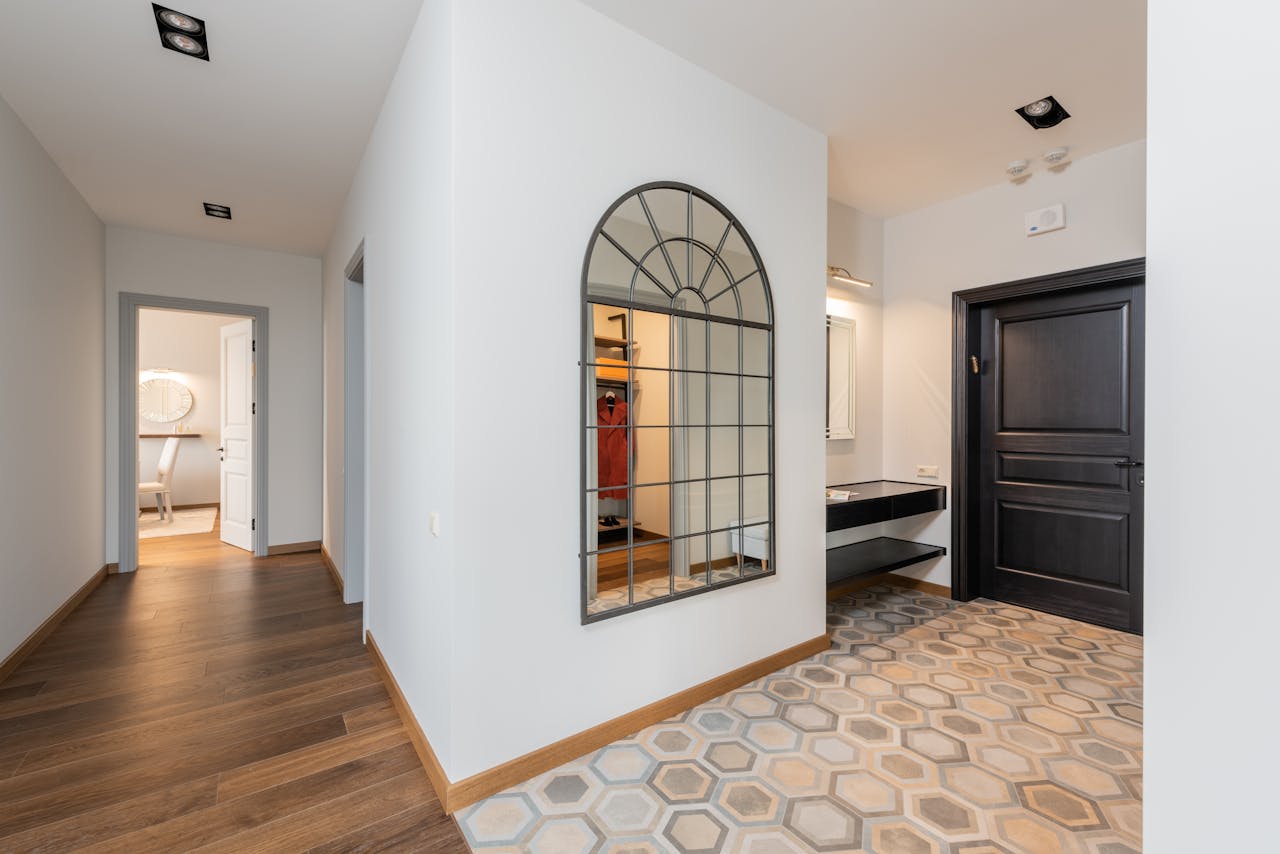
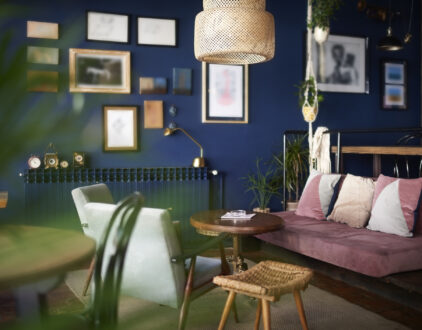
It’s fun to peruse Pinterest, check out home decor magazine spreads and poke your head onto YouTube to see what other homeowners are doing with their spaces. But just because that’s how they decorate their homes doesn’t mean you have to run out and copy the same style. It does help to recognize whether your home decor style leans more toward Bohemian, coastal, contemporary, farmhouse, industrial, modern, rustic, Scandinavian or traditional home interior designs. This way, you have a general idea of what kind of furniture you already have and need to buy, along with color schemes and wall art.
However, be honest with yourself about whether your home design style is practical. You may love a tray ceiling, but that’s at odds with farmhouse style homes. A coffered ceiling is anything but Bohemian. That sloped ceiling design looks great in an attic, but it’s a nightmare in a modern bathroom. You can take chances, but make sure your mix-and-match decisions aren’t ones you think you’ll regret later while trying to follow the latest home design trend.

Play With Color Patterns To Find What Suits Your Home Best
If you like a pattern, don’t assume you must use those specific colors too. Kente cloth is an example of a geometric, intricate pattern that’s traditionally filled with colors: gold (for wealth and royalty), yellow (fertility and beauty), blue (harmony and peace), green (growth and renewal), red (sacrifice and struggle), black (maturity and spiritual energy), and white (purity and cleanliness). But sometimes you’ll see kente cloth with similar patterns that are just in black and white colors.
If a more subtle design is preferred in the home (ex. throw blanket on a couch), it may be much easier to match furniture. While black and white is sometimes used for solemn events, such as funerals, that’s not always the case. It also represents balance, harmony and duality. If you choose to use the bolder, brighter patterns, choose one solid color for the furniture. For example, buy a black couch instead of a multi-colored couch so the patterns aren’t competing with each other.

If Your Wall Images Don’t Make You Smile, Try Again
When guests walk into your home, one of the first things they see is the walls, even if they’re just walking through the hallway to the bathroom. If they see an unfamiliar face or someone interesting, it’s not uncommon for them to ask, “Who’s that?” Make sure the answer is someone you actually want to talk about. Sometimes homeowners will put photographs up out of obligation as opposed to desire. For example, if you had a rough time in college, those college graduation photographs may not be the best for your mental health.
If you’re now divorced, adding wedding photographs (even if it’s just relatives at the wedding instead of the significant other), may not bring up happy memories. Don’t hang or frame any photo that you are hiding on your Instagram feed. In the privacy of your own home, you are the only person (or couple or family) who needs to “like” an image. If there are photographs that a significant other wants to hang on the wall that don’t bring you joy, find a wall that does (ex. woman cave, man cave) and make one of those four walls your own private happy place.
Be Honest About Your Space Before Buying Bulky Items
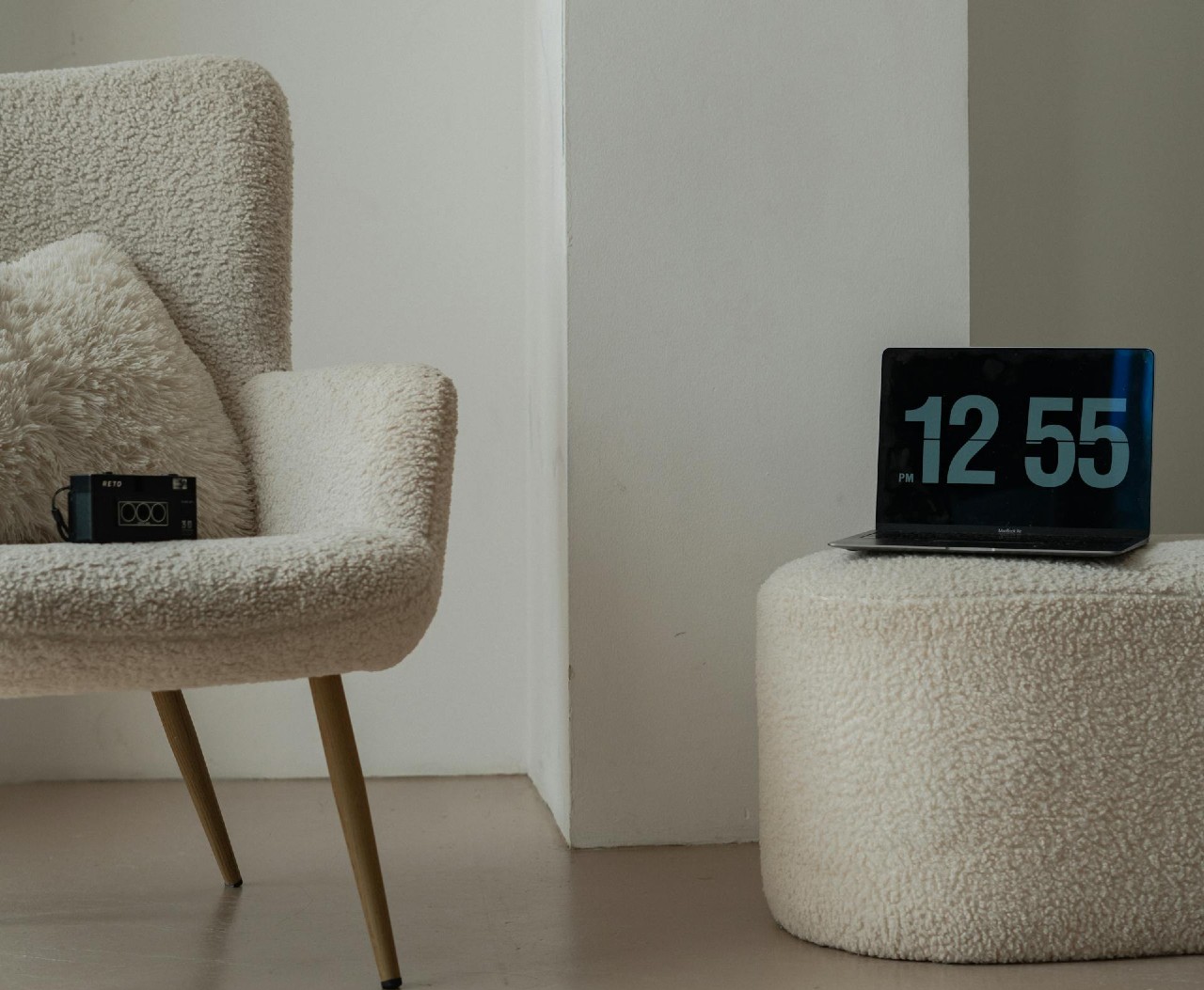
Maybe your living room is large enough for a three-seater couch, an ottoman and a corner desk so you can look out of the window while you work from home. But that means the fold-out dog couch you just bought will never be able to unfold unless you take it into a different room. That breakfast nook you always wanted has already been installed. But that means the kitchen island and the bar stools are going to be shoved in a corner.
Before making any impulse buys for cool things that you found on an interior design site about how to find your home decor style, keep in mind that these magazine spreads and Pinterest images are showing off variations of room sizes. What may have plenty of space in one room could be very crowded in another. If you’re finding yourself putting loose items on the couch, ottoman or chairs because there’s nowhere else to put them, it’s time to start moving furniture in other rooms or giving away unnecessary items.
Don’t Be Afraid To Try Something Untraditional
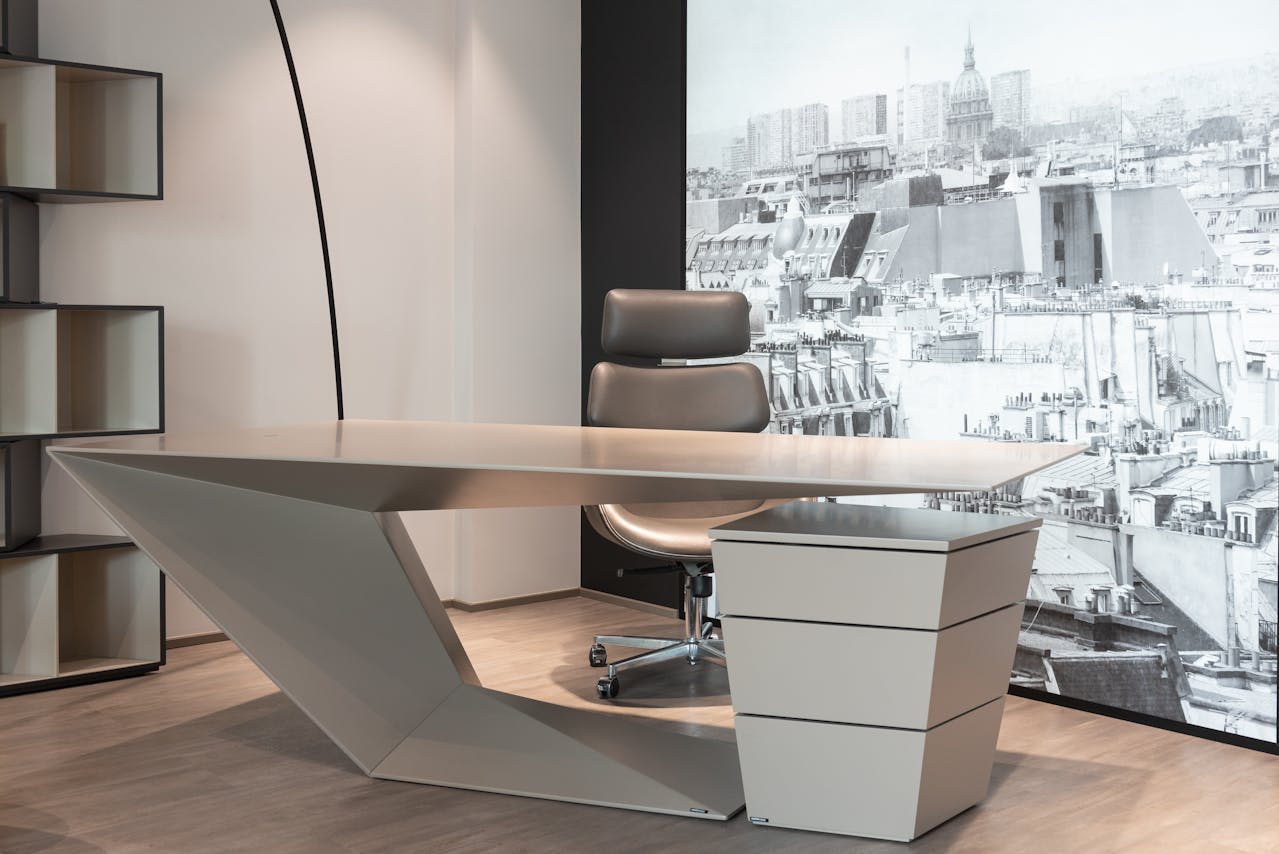
You finally have the freedom to design a home like you live in The Jetsons, and this is your chance. If you always wanted a desk that looks like something Mr. Spacely used to sit at, buy it. You may not have the money to buy the maid Rosie, but you sure can buy a Roomba. There’s a fine line between impulse buys that don’t do much for your home versus investing in furniture or products that you already need but finding them in creative ways. Your bookshelf doesn’t have to be the traditional six slabs of wood. Maybe you prefer custom cut shelves with LED lights or an equilibrium bookshelf. Picking out one piece statement piece of furniture is a significant way to master how to find your home decor style.

Start With the Room That Matters Most to You
Everybody has a room that they spend the most time in, and this room should be the first one to tackle. This is the room where you’ll probably find the most areas that need to be improved. It’s not always that there’s anything wrong with them. It’s often about adding your personal style.
For example, maybe you already have an office, but you want that area in the far corner to be a reading nook. Maybe you love long, hot baths, but that crowded floor makes you want to install an over-the-toilet rack to make it easier to mop. The living room is your favorite place to watch movies, but looking at those gaps in the laminate floors is wearing on you. Fix the rooms that already aren’t making you happy first. While you’re handling those problem areas, you’ll also learn more about how to improve other rooms, if need be. And once you take on a do-it-yourself project, you can always use it at a later date if you need it again.

Keep Insurance and Emergencies in Mind While Decorating
Aesthetically, hiding or covering emergency items may seem innocent until they’re needed. Meanwhile, homeowners insurance companies will use any excuse to not cover damages. (This is what sparked PREEMPT insurance.) Before removing or blocking any safety items in order to decorate, fully understand why these items will matter to your homeowners insurance company.
For example, those small ceramics may look amazing while lined up on the windowsill near your matching shower curtain. However, blocking that bathroom window also means blocking a way to decrease mold and less ventilation. In addition to airflow concerns, these trinkets are too easy to trip over in the event the bathroom window needs to be used as an emergency exit.
And that bright red, bulky fire extinguisher may clash with the delicate blend of blonde kitchen cabinets. However, cooking has also caused an average of 158,400 reported home structure fires per year (44% of all reported home fires in the U.S.), an average of 470 civilian deaths (18% of all home fire deaths) and 4,150 civilian injuries (42% of all reported home fire injuries) annually. You should be able to access your fire extinguisher at a moment’s notice instead of digging it out at the back of a closet.
Then there’s that carbon monoxide (CO) detector that was taken down because that bright red light was distracting next to the multi-thousand-dollar painting you just hung up in your bedroom. However, there are approximately 450 annual deaths in the U.S. from unintentional CO poisoning and 15,000 hospital emergency department visits for the same reason. Even if these emergency items throw off the home decor, your physical safety is just as much of a vibe.
Frequently Asked Questions
What is the 3-5-7 rule in decorating?
The goal of the 3-5-7 rule is to balance visual appeal with interest. Place three decorative items in varying heights on a coffee table, desk or shelf. Then, arrange five similar items (ex. couch pillows) of different sizes or patterns in one space. Finally, position seven more items (ex. framed photographs) on a wall into a gallery.
What are the seven basics of interior designs?
These are the seven keywords to keep in mind while decorating: color, form, light, line, pattern, space and texture.
What types of decorating styles are there?
The main interior design styles are Bohemian, coastal, contemporary, farmhouse, industrial, modern, rustic, Scandinavian and traditional.
Most Popular
popular posts
Decorate
Access design inspiration that infuses personality and culture into your spaces.

5 Things You Should Throw Out of Your Pantry Right Now
by Melody Beuzelin | March 13, 2024

Decorating Your Home? Here's How Virtual Reality Can Help
by Brittni Williams | July 25, 2023
FOLLOW ALONG ON INSTAGRAM
#homeandtexture
Find us on social for more home inspiration where culture, personal style, and sophisticated shopping intersect to help you create a home where you love to live.