By Kelsey Marie
January 14, 2026 at 12:09 AM PST
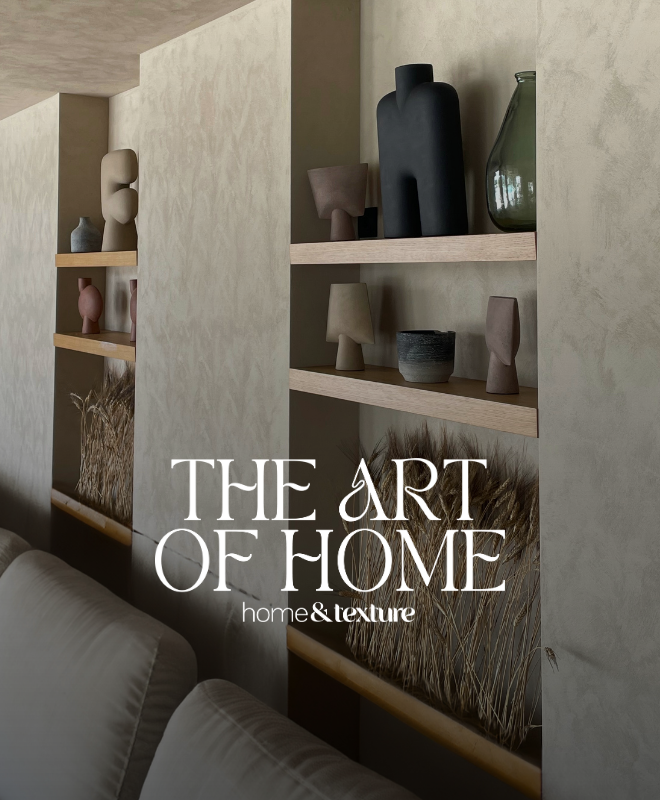
On choosing objects made with care, and supporting artisans in the process.
On choosing objects made with care, and supporting artisans in the process.
There is a difference between furnishing a home and shaping one. Handcrafted pieces sit firmly on the latter side of that line. They introduce presence into a space in a way mass-produced objects rarely do, carrying evidence of the hands that made them, the time spent forming them, and the decisions embedded in their construction. In a world where speed and sameness dominate how we shop, handmade objects offer something slower, more personal, and ultimately more enduring.
For The Art of Home, buying handcrafted is about choosing pieces that feel considered, expressive, and reflective of how we want our homes to function and feel. These are the objects that invite attention and adds depth to a room through texture, form, and story.
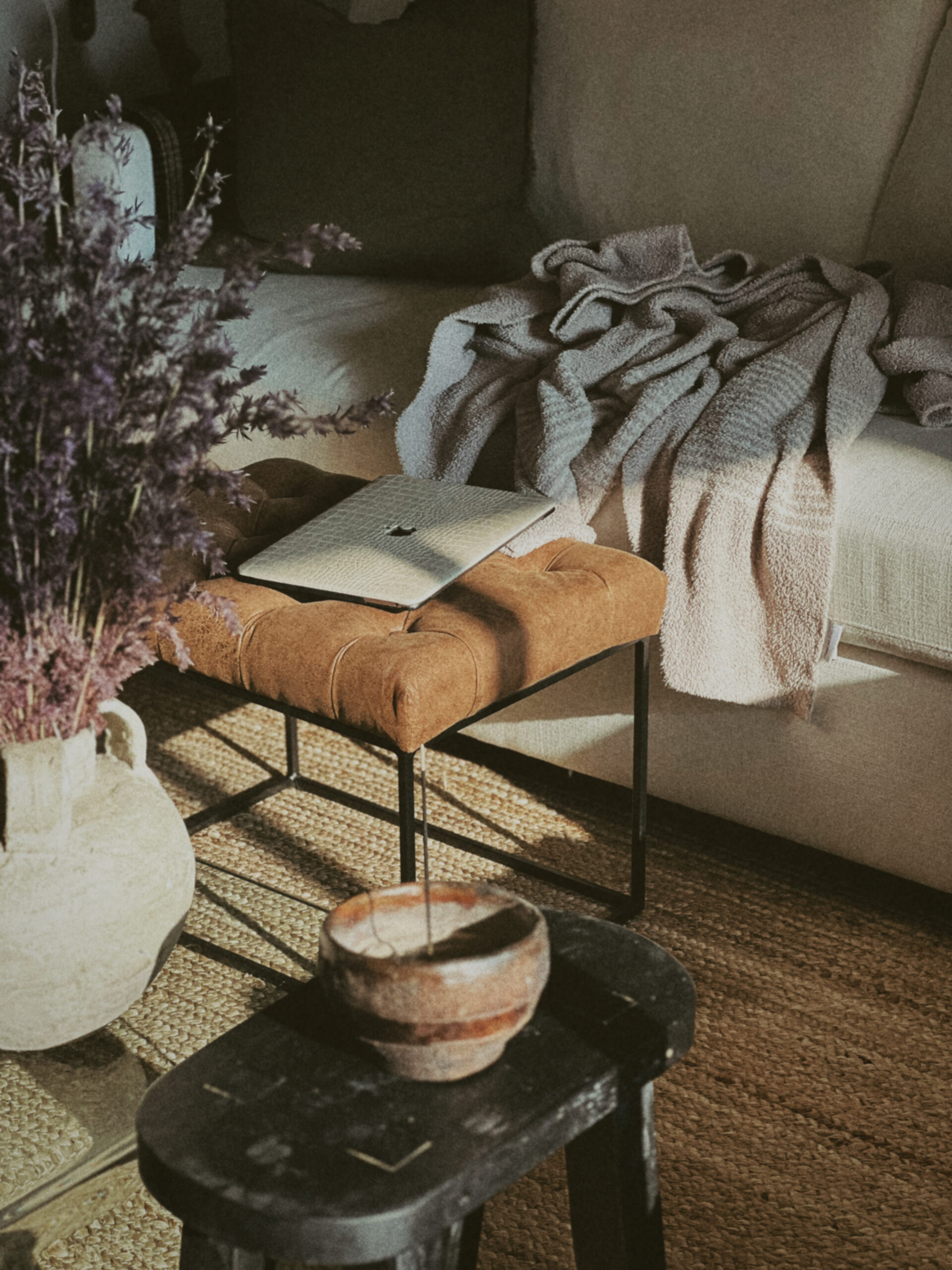
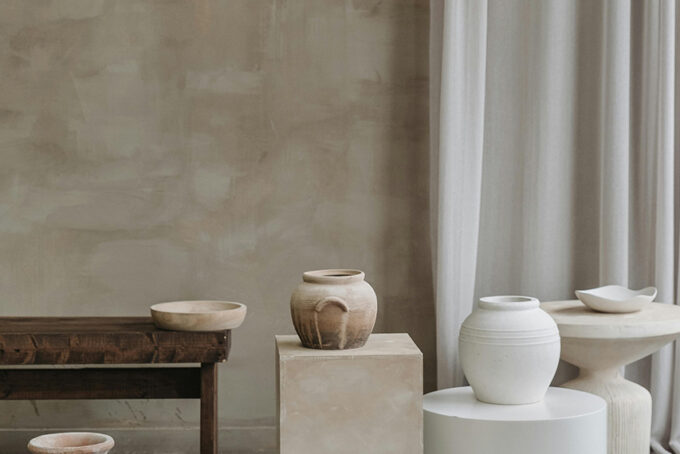
Handmade objects have a way of holding space. Whether it’s a ceramic bowl, a woven textile, or a solid wood chair, these pieces often feel more anchored in the room because they were not designed to disappear into a catalog of items. Subtle variations in glaze, grain, or shape remind us that each item exists as its own object rather than one of thousands.
This difference becomes noticeable in daily life. A handcrafted coffee mug changes how a morning feels. A hand-carved bench shifts the energy of an entryway. These pieces ask to be lived with rather than styled once forgotten. They bring warmth without relying on softness or excess, and they age in ways that feel honest rather than worn out.
Buying handcrafted also means participating in a different kind of economy. Independent makers and artisans rely on direct support to sustain their work, pass down skills, and continue producing outside of industrial systems. When you invest in handmade, you are often supporting small studios, family-run workshops, and creative practices that prioritize longevity over volume.
This matters not just culturally, but practically. Handcrafted pieces are often built with repair in mind, made from materials selected for durability rather than convenience. Over time, this can mean fewer replacements and a more thoughtful relationship with the objects you bring into your home.
There is a common misconception that handcrafted automatically means expensive. While some investment pieces do come with higher price points, handmade pieces exist across a wide range of budgets. Small-scale items like ceramics, textiles, glassware, and wall objects offer accessible entry points for supporting artisans.
A single handcrafted piece layered into an otherwise simple space can have just as much impact as a room full of them. The goal is not to replace everything at once, but to edit gradually and intentionally, choosing pieces that add meaning over time.
Handcrafted objects work best when they are given room to breathe. A sculptural stool does not need to compete with five others. A handmade vase does not need to be flanked by matching pairs. These pieces benefit from placement that allows their form and material to stand on their own.
Mixing handmade with vintage or modern furniture often creates the most dynamic results. The contrast between refined lines and organic variation keeps a space from feeling overly designed or overly casual. Over time, this approach builds a home that feels layered rather than styled all at once.
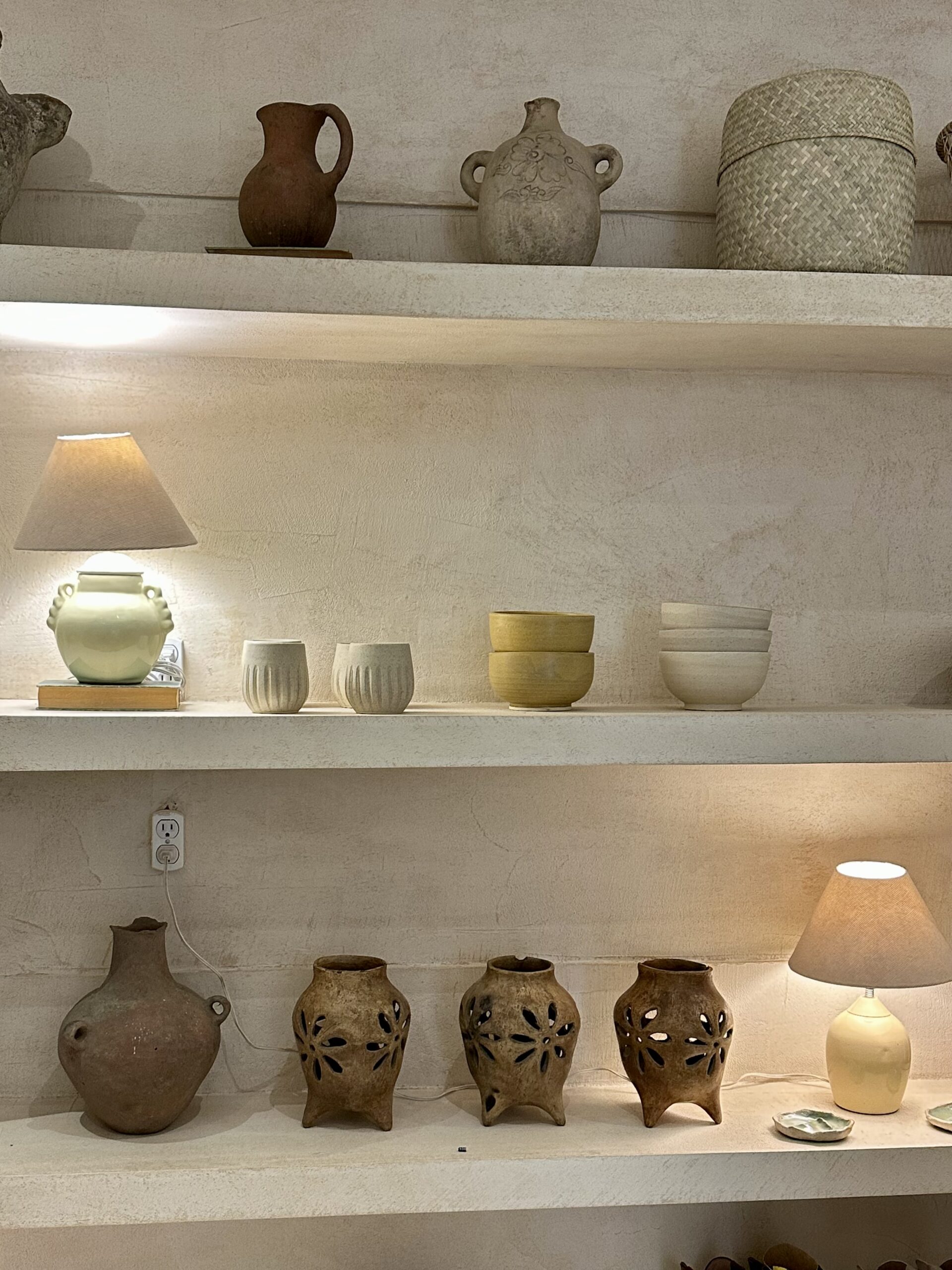
Supporting artisans can happen in many ways, depending on where you are and how you shop.
Handcrafted pieces tend to resist trend cycles because they are not designed to follow them. Their appeal often lies in material honesty and form rather than novelty. Over time, these objects become part of a home’s signature, collecting memories and wear that feel earned rather than dated.
For The Art of Home, buying handcrafted is not about collecting for the sake of it. It is about choosing objects that contribute to how a home is lived in and remembered. When we bring handmade into our spaces, we invite care, patience, and presence into everyday life. Those qualities tend to linger long after trends move on.
Explore the artists, exhibits, and collections shaping contemporary art in homes and galleries around the world.

by Noella Williams | October 24, 2024

by Kelsey Marie | January 8, 2026

by Kelsey Marie | September 12, 2024
Whether it’s luxury or ease, every area of your home should be as fabulous and unique as you.
by Kelsey Marie | January 8, 2026
by Stixx Matthews | November 13, 2024

by Stixx Matthews | November 20, 2024
by Kelsey Marie | February 5, 2026
Find us on social for more home inspiration where culture, personal style, and sophisticated shopping intersect to help you create a home where you love to live.