By Kelsey Marie
January 21, 2026 at 3:51 AM PST
From light and materials to rhythm and flow, these ideas translate seamlessly indoors.
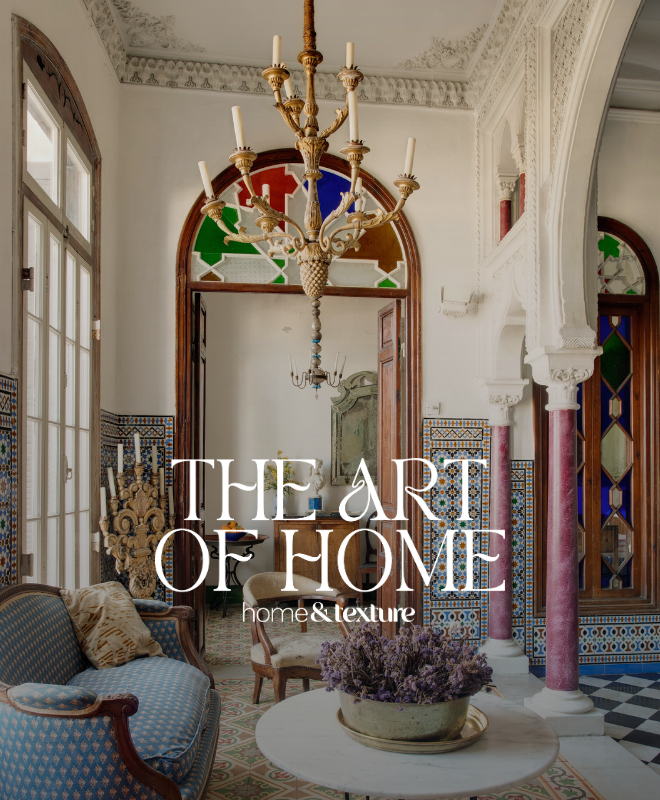
From light and materials to rhythm and flow, these ideas translate seamlessly indoors.
Some spaces feel easy the moment you step into them. They’re not styled to impress, not packed with things for the sake of visual interest, but they’re balanced in a way that makes daily life more fluid. That sense of ease is often labeled as good design, but it is also something that has existed for centuries across African architecture, where homes were influenced by environment, movement, and community before trends entered the conversation.
Across the continent, architecture has historically been about problem-solving. Buildings responded to heat, wind, rain, and social life, using proportion, material, and layout to create spaces that made sense for everyday living. When those ideas are translated indoors today, they show up as rooms that are expressive and considered.
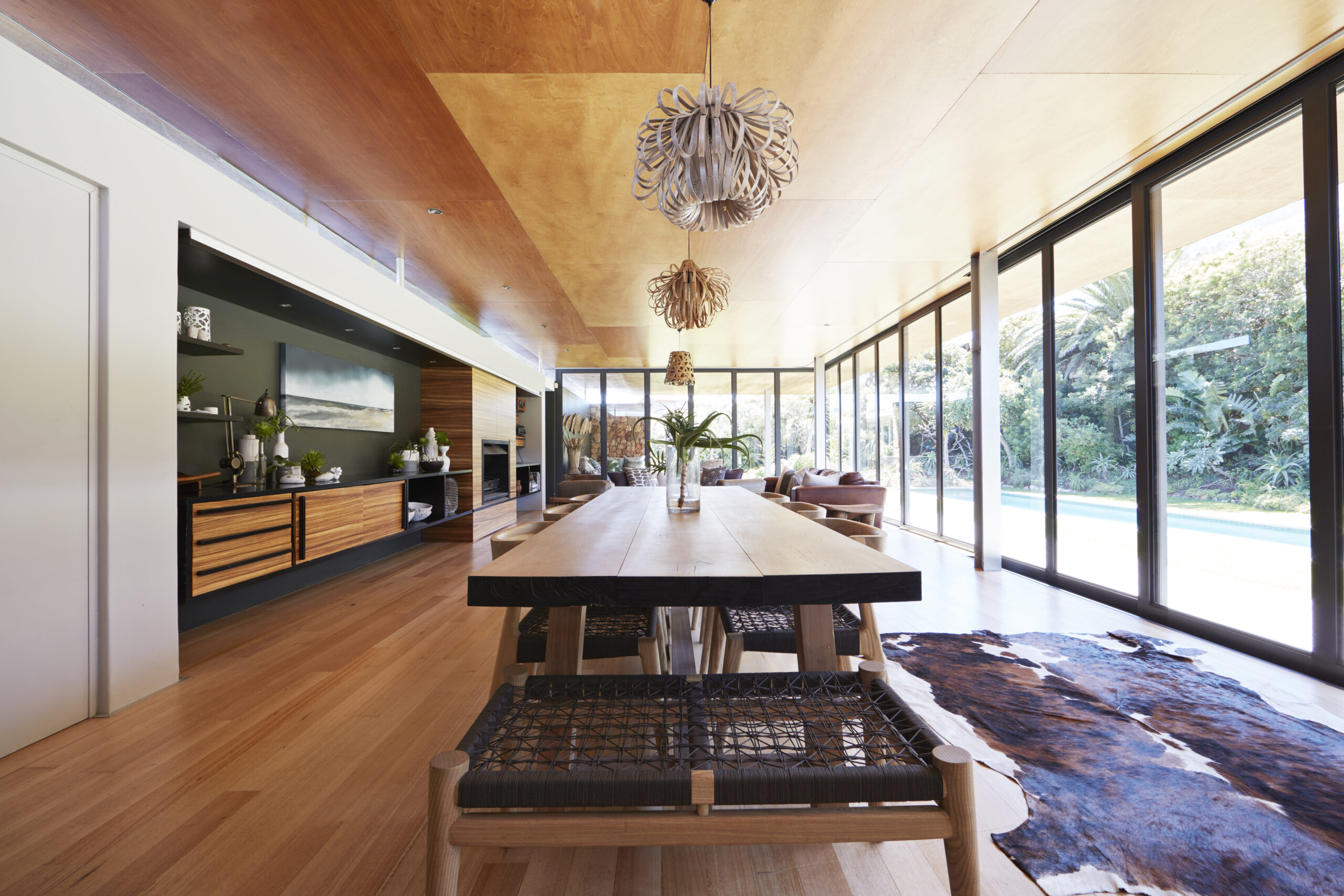
One of the most important lessons from African architecture is its responsiveness to climate. Structures were often designed to welcome airflow, manage heat, and create shade through form rather than relying on added systems. Thick walls, courtyards, overhangs, and open thresholds worked together to keep interiors livable, even in extreme conditions. These were practical decisions that happened to result in spaces that felt balanced and human-scaled.
Indoors, that same thinking when it comes to layouts is what allows rooms to breathe. Open views between rooms, furniture that allows light to move freely, and window treatments that filter daylight instead of shutting it out all reflect this way of designing. Instead of over-layering, the focus becomes how a room functions throughout the day, how it cools down in the afternoon, or how it opens up when people gather.
In many African architectural traditions, light is treated as a material in itself. Openings allow sunlight to filter, move, and change across walls and floors. Interiors are rarely flooded or dimmed without purpose. Light moves through space in a way that creates flow and variation.
Bringing this idea home can start with paying attention to how light already enters your space and resisting the urge to fight it. Lighter wall finishes, reflective surfaces like plaster or limewash, and thoughtfully placed mirrors can amplify natural light without making a room feel cold or sterile. Even the decisions to leave certain windows unobstructed can transform how a space feels from morning to evening.
African architecture has long relied on materials that age well and tell stories over time, including clay, wood, stone, and natural fibers. These materials were chosen because they were accessible and durable, but they also brought warmth and texture into the home.
In contemporary interiors, this shows up as a preference for materials that feel tactile and honest. Plaster walls with subtle movement, wood furniture that shows grain and variation, and woven textiles that soften a space. Rather than chasing perfection, the focus shifts toward surfaces that can handle use and still look good doing it.
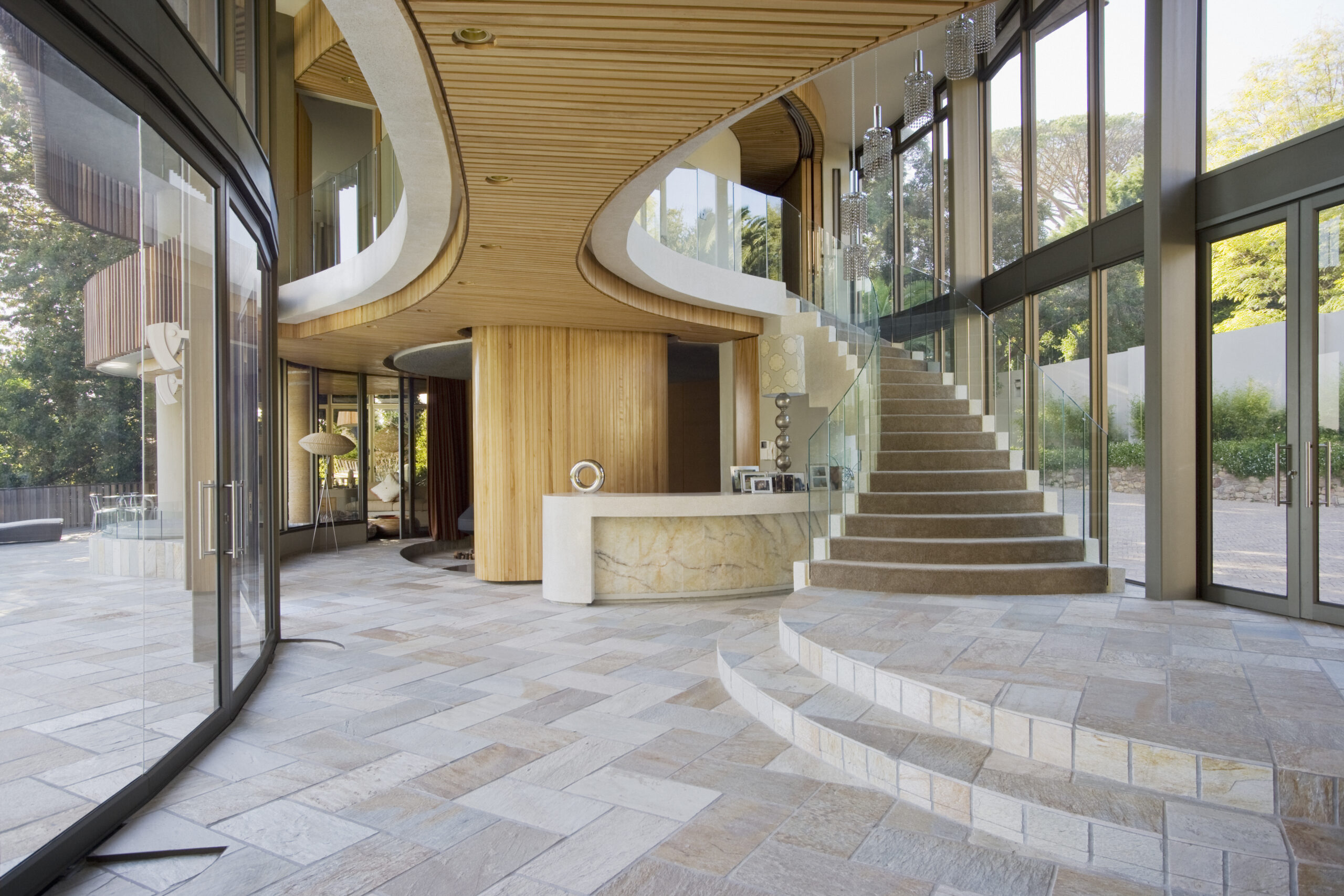
Another defining feature of African architecture is its use of repetition and form to create visual rhythm. Patterns appear in facades, structural elements, and layouts as a way to organize space and guide movement.
Indoors, this idea can be expressed through repeated shapes, materials, or colors that move the eye through a room. A series of arches, a consistent wood tone, or a recurring curve in furniture can create cohesion without relying on matching sets. The room feels connected because its elements speak to one another.
At its core, African architecture centers on people. Homes were places for gathering, rest, conversation, and daily rituals, designed to accommodate movement and connection. That priority is especially relevant now, as many interiors lean heavily toward visual impact without always considering how a space supports real life.
Taking cues from this approach means asking different questions when designing your home. How does this room work when people are actually in it. Where do bodies naturally gather. What feels comfortable over time. Furniture placement, circulation, and scale all matter more than whether a space looks perfect in a photograph.
Drawing inspiration from African architecture means thinking more carefully about how your home responds to light, materials, and the way people actually live in it. When applied indoors, those principles result in homes that feel intentional without feeling rigid or over-designed.
As The Art of Home continues to explore how culture and design shape the spaces we live in, African architecture offers a reminder that some of the best ideas in design are also the most practical. Spaces built with care for light, rhythm, and daily life have always been timeless.
Explore the artists, exhibits, and collections shaping contemporary art in homes and galleries around the world.

by Erika Hardison | July 27, 2023
Whether it’s luxury or ease, every area of your home should be as fabulous and unique as you.

by Kelsey Marie | March 16, 2026
by Stixx Matthews | December 11, 2024

by Noella Williams | October 24, 2024
Find us on social for more home inspiration where culture, personal style, and sophisticated shopping intersect to help you create a home where you love to live.