By Kelsey Marie
February 5, 2026 at 10:01 PM PST
From overhead glow to subtle highlights, these layers shape how your space looks and feels.
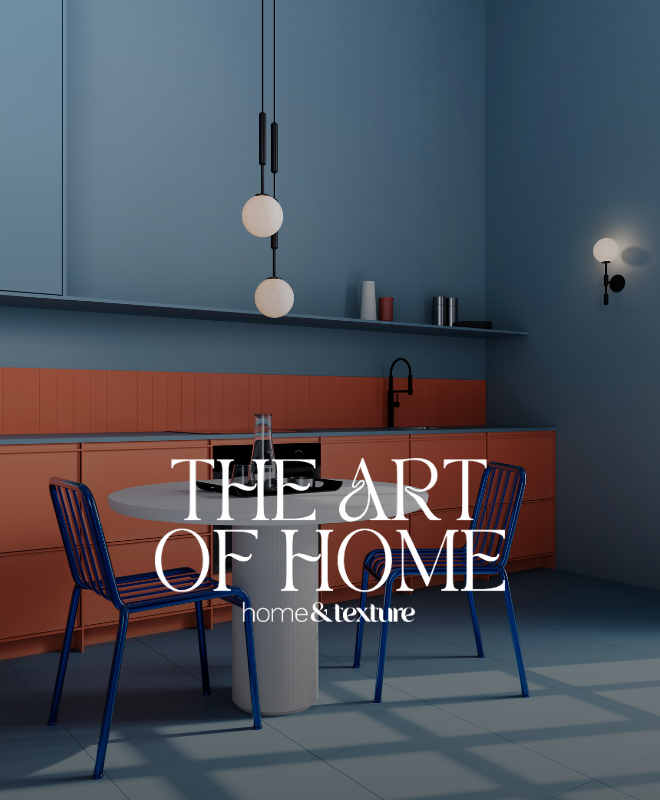
From overhead glow to subtle highlights, these layers shape how your space looks and feels.
Lighting is one of the most influential elements in a home, yet it’s often treated as an afterthought. Furniture gets the attention, paint colors get debated endlessly, and decor is layered carefully, but lighting is frequently reduced to a single overhead fixture and a few lamps added later. The truth is that lighting shapes how a home feels more than almost anything else. It affects mood, comfort, and how you experience each room throughout the day.
Well-lit homes rarely rely on just one type of light. Instead, they use layers that work together, shifting as the sun moves and as daily life changes from morning to night. When lighting is thoughtful, rooms feel balanced and lived-in rather than harsh or flat. These are the five types of lighting that create that sense of ease and intention.
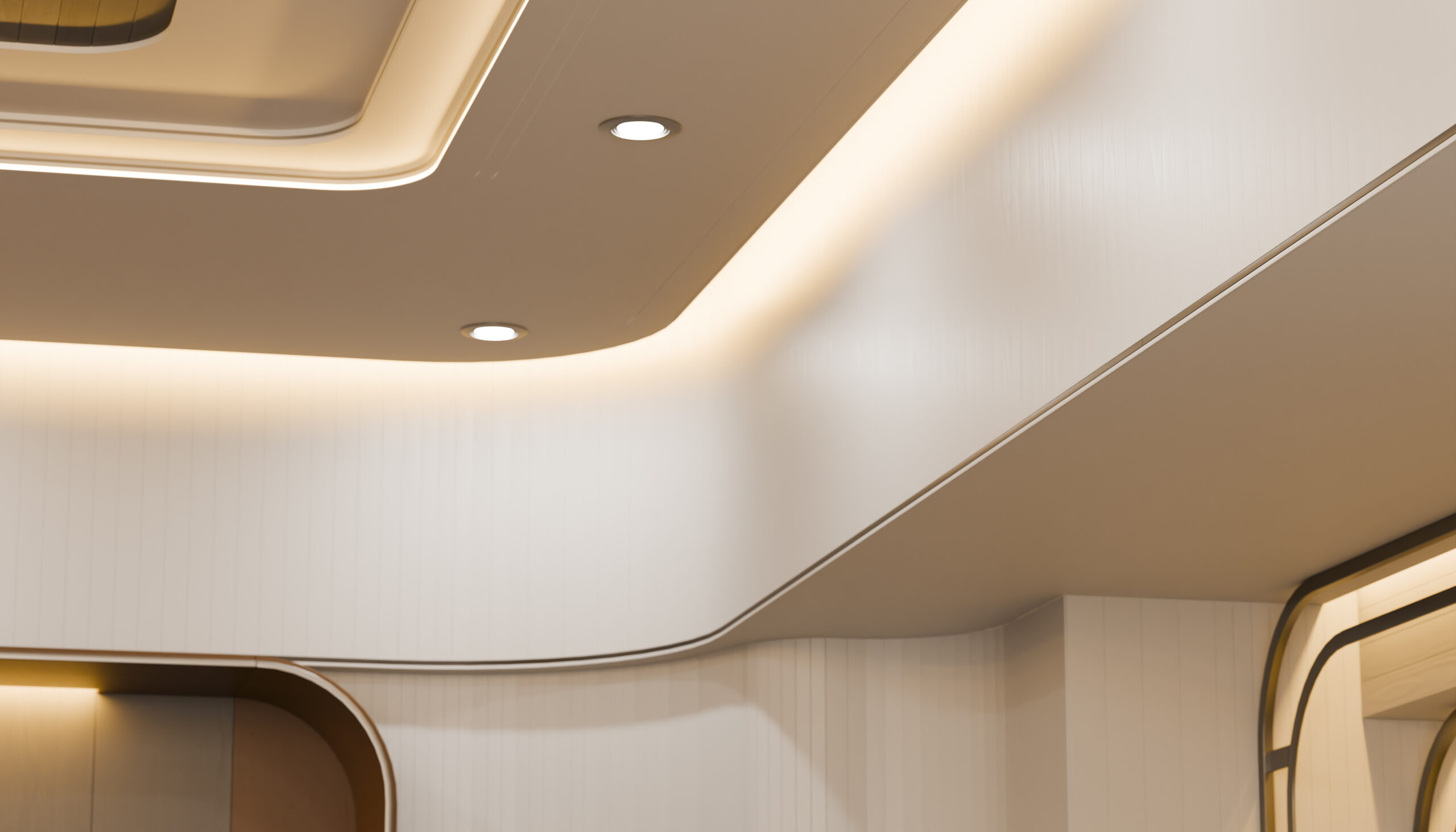
Ambient lighting is the foundation of a room. It provides overall illumination and allows the space to function comfortably without relying on multiple smaller sources. This is typically the light you turn on first when you walk into a room, and it sets the general tone.
Ceiling fixtures, recessed lighting, and flush-mounted fixtures often serve this purpose, but ambient lighting doesn’t have to feel clinical or overly bright. Soft, diffused light creates a welcoming atmosphere, especially in living rooms and bedrooms where comfort matters more than visibility. Choosing warm bulbs and avoiding overly intense brightness helps ambient lighting support the room rather than dominate it.
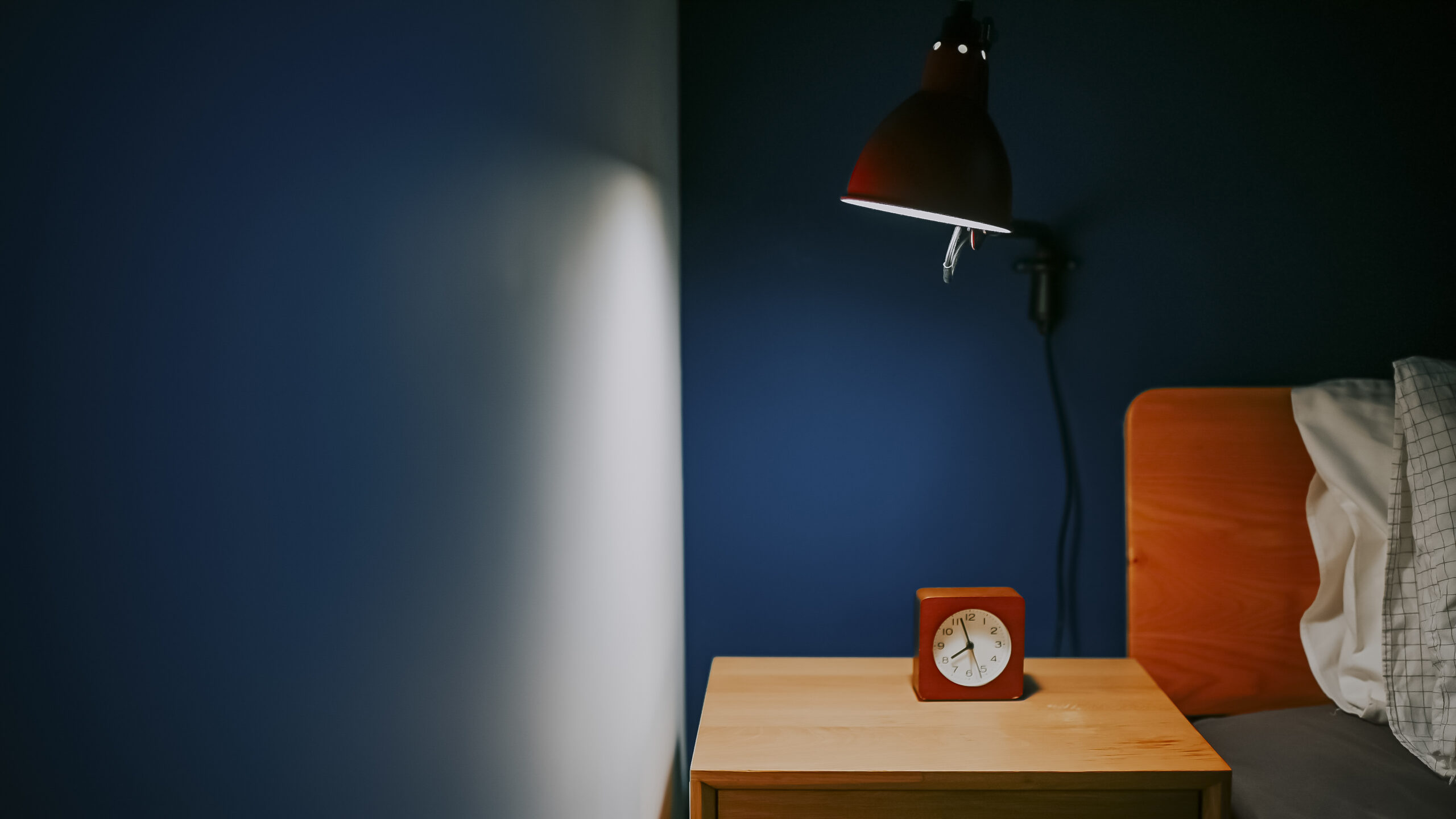
Task lighting focuses on function. It’s designed to illuminate specific areas where activities happen, making everyday routines easier and more comfortable. Reading, cooking, working, and getting ready all benefit from lighting that’s targeted and intentional.
Desk lamps, under-cabinet kitchen lighting, bedside sconces, and vanity lights fall into this category. The positioning of these lights matters just as much as their brightness. Task lighting should provide enough light to focus without distracting from the rest of the room.
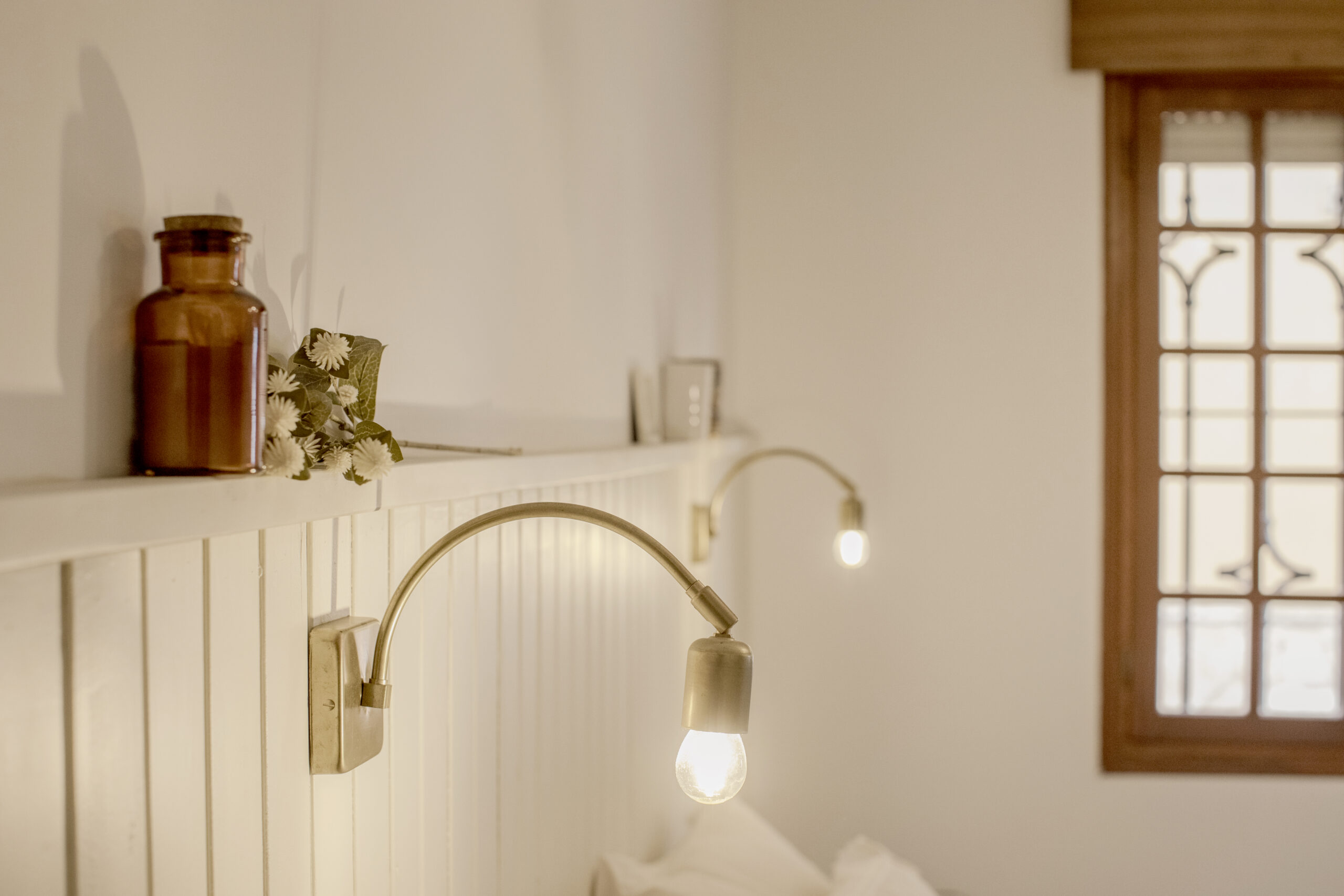
Accent lighting adds depth and visual interest. It highlights architectural features, artwork, or design details, helping a space feel layered an dynamic rather than one-dimensional.
Wall sconces, picture lights, and small directional fixtures are common ways to introduce accent lighting. Even a well-placed lamp can serve this purpose when it draws attention to a bookshelf or sculptural object. Accent lighting creates contrast, which makes a room feel more thoughtfully composed and visually engaging.
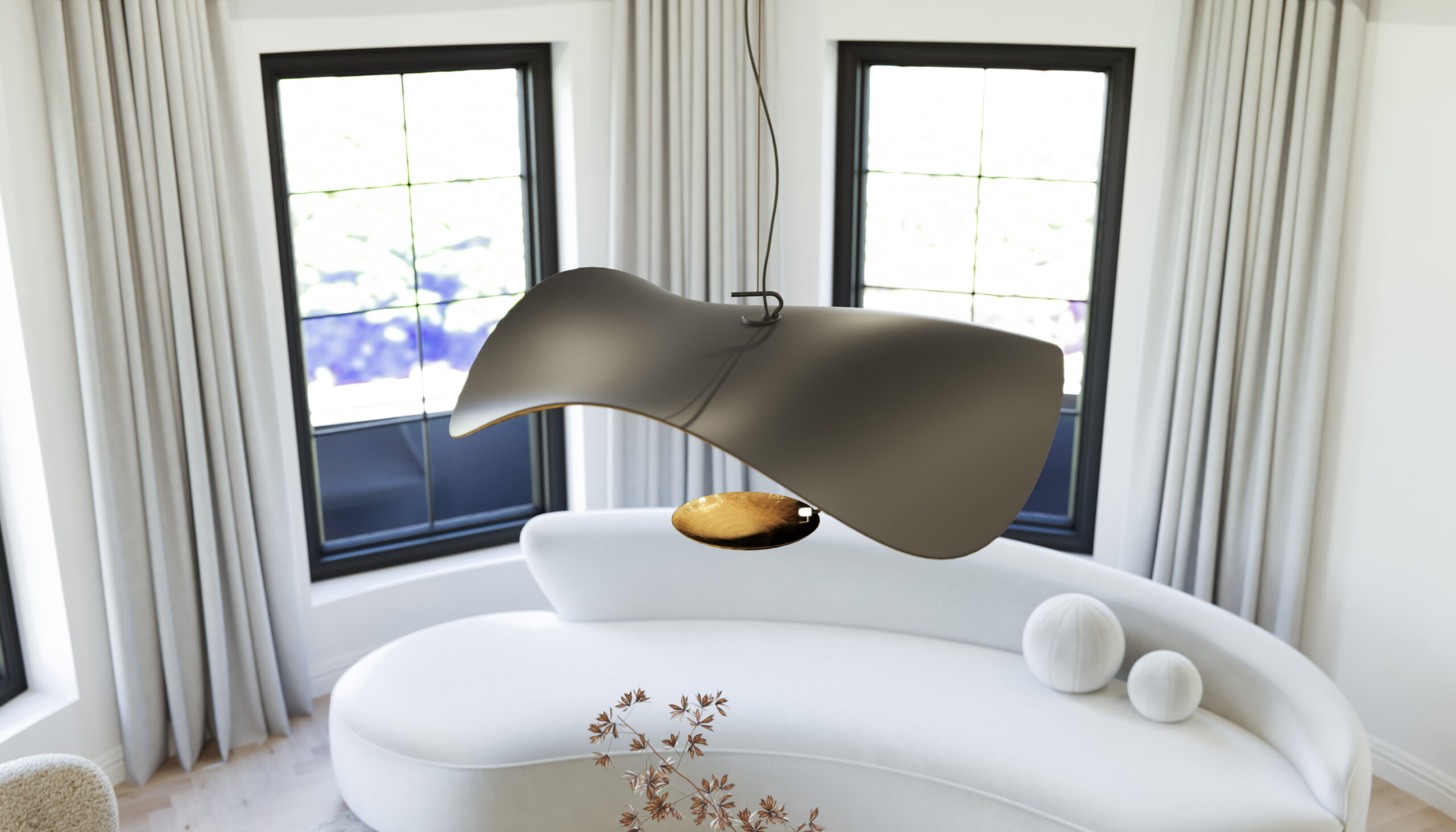
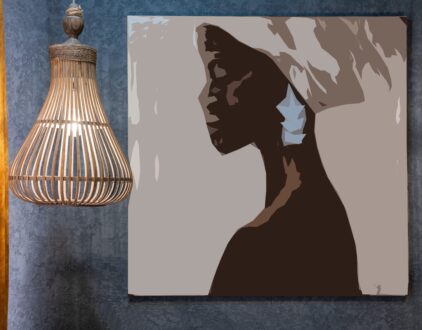
Decorative lighting is where personality enters the conversation. These fixtures act as both light sources and design statements, often becoming focal points within a room. Chandeliers, pendant lights, and sculptural lamps fall into this category.
While decorative lighting still needs to function, its primary role is aesthetic. These pieces can introduce texture, shape, and character, anchoring a room and reinforcing its overall style.
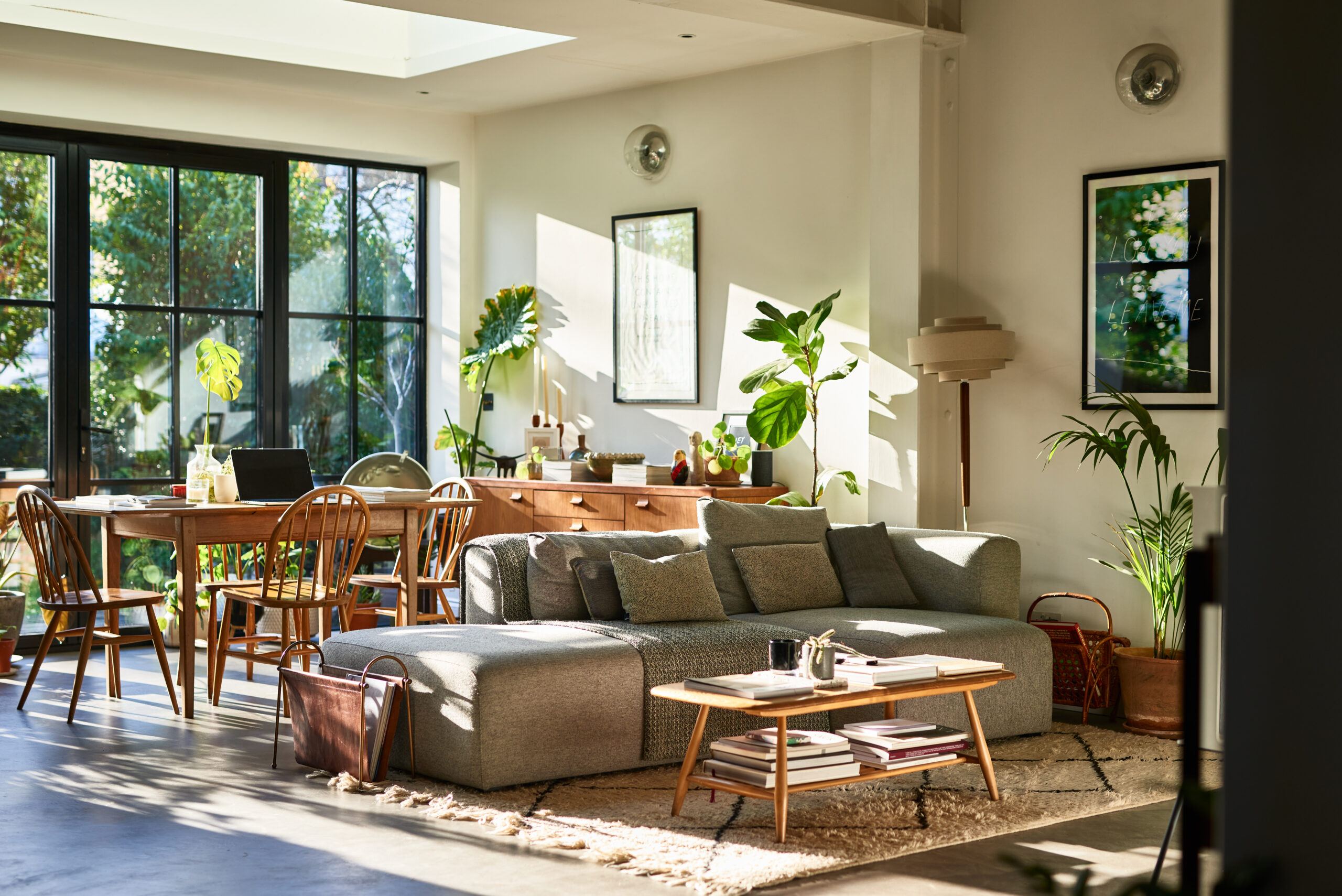
Natural light is often overlooked in conversations about lighting, but it’s one of the most powerful elements in a home. The way daylight enters and moves through a space affects how colors read, how rooms feel, and how connected a home feels to its surroundings.
Sheer curtains, reflective surfaces, and thoughtful furniture placement can help maximize natural light without sacrificing privacy. Allowing daylight to do its own work during the day reduces the need for artificial lighting and brings a sense of calm and rhythm into the home. When artificial lighting complements natural light instead of competing with it, the result feels balanced.
Homes that feel well-lit rarely rely on a single solution. Instead, they layer ambient, task, accent, decorative, and natural light to create spaces that adapt to real life. Morning light feels different from evening light, and a home should support both with ease.
Explore the artists, exhibits, and collections shaping contemporary art in homes and galleries around the world.

by Kelsey Marie | September 1, 2023

by Kelsey Marie | September 12, 2024
Whether it’s luxury or ease, every area of your home should be as fabulous and unique as you.

by Kelsey Marie | January 23, 2026
Find us on social for more home inspiration where culture, personal style, and sophisticated shopping intersect to help you create a home where you love to live.