By Kelsey Marie
December 30, 2025 at 4:03 AM PST
A closer look at how Kwanzaa’s principles shape the way we gather, reflect, and live at home.
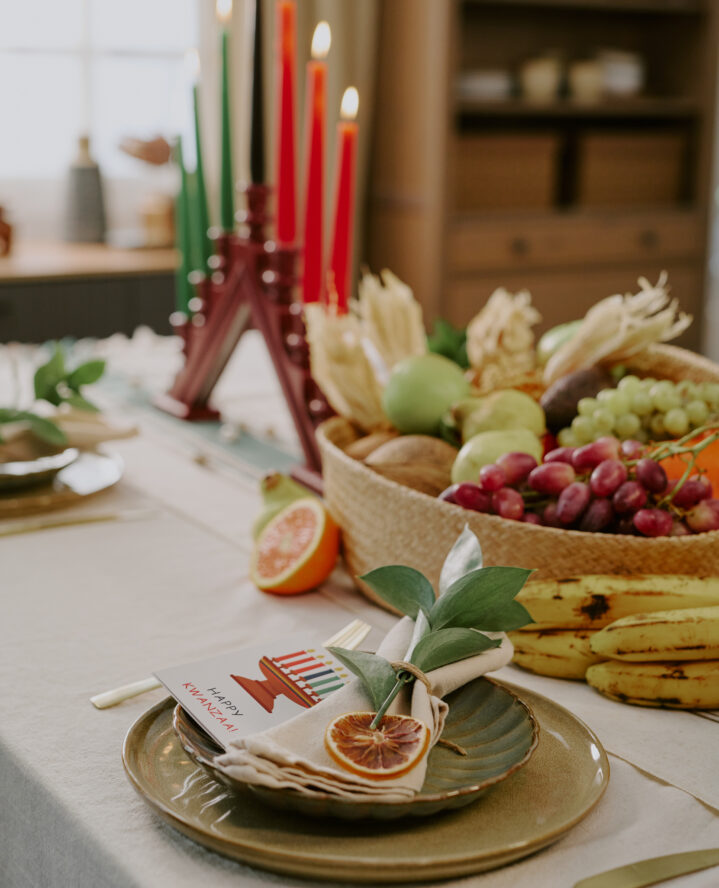
A closer look at how Kwanzaa’s principles shape the way we gather, reflect, and live at home.
Kwanzaa is often reduced to visuals, colors, or symbols, but at its core, it is a cultural observance built on reflection, responsibility, and care for one another. Celebrated from December 26 through January 1, Kwanzaa honors African heritage while inviting families to pause, look inward, and recommit to values that strengthen both the home and the wider community. The home is not simply where Kwanzaa takes place. It is where its principles are lived and practiced.
Founded in 1966, Kwanzaa is guided by seven principles, known as the Nguzo Saba. These principles offer a framework for how people show up for themselves, their families, and their communities throughout the year. Designing a Kwanzaa celebration at home begins not with decor, but with intention. It asks us to consider how space is shared, how traditions are passed down, and how culture is honored in everyday life.
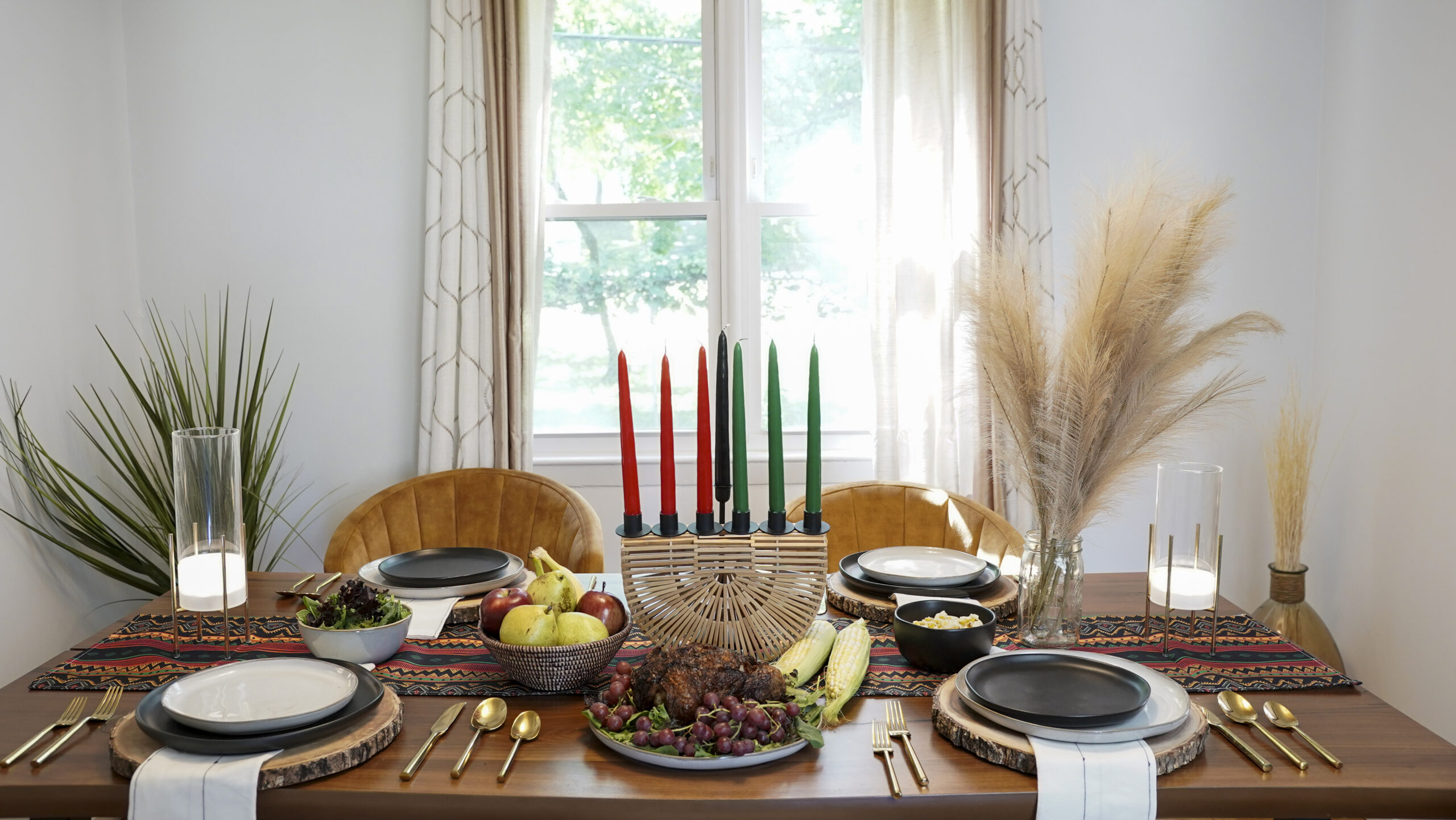
The first principle, Umoja, or unity, sets the tone for the entire celebration. In practice, this often looks like creating moments of togetherness, whether that means gathering around a shared table, making space for open conversation, or establishing a central place where everyone feels included and present.
During Kwanzaa, many families use their home as a place to slow down and reconnect. Lighting candles together, preparing meals collectively, and setting aside time for meaningful conversation reinforce the idea that the home is a space of collective care, where togetherness is valued over presentation.
Kujichagulia, or self-determination, encourages reflection on identity and purpose. At home, this can be expressed through meaningful objects, artwork, or heirlooms that speak to personal and cultural history. Items displayed during Kwanzaa often carry stories, whether they are textiles, books, photographs, or handmade pieces collected over time.
Designing with intention during this season is about choosing what reflects who you are, rather than what simply looks seasonal. These elements serve as visual reminders of heritage and lived experience, allowing the home to feel personal and layered rather than performative.

Ujima, collective work and responsibility, and Ujamaa, cooperative economics, are deeply tied to how households operate. Kwanzaa offers an opportunity to reflect on shared labor within the home and beyond it. Preparing meals together, involving children in planning, and discussing ways to support local Black-owned businesses are all natural extensions of these principles.
The home becomes a place where values are both discussed and practiced. Conversations about contribution, accountability, and care often happen most naturally around the table or in shared living spaces, reinforcing the idea that community begins at home.
Nia, purpose, and Kuumba, creativity, invite thoughtful expression. This is where Kwanzaa often feels most alive within the home. Cooking together, telling stories, and making space for music, art, or reflection allow the celebration to unfold in a way that feels organic and lived-in.
Children, in particular, benefit from being included in these moments. Crafting decorations, learning the meaning behind each candle, and contributing to shared rituals help carry traditions forward in a way that feels natural, participatory, and connected to everyday life.
The final principle, Imani, or faith, centers on trust in people, traditions, and the future. During Kwanzaa, many families create space for reflection by honoring ancestors, setting intentions, and reaffirming the values that will guide the year ahead.
Designing a Kwanzaa celebration at home is ultimately about alignment. When space, ritual, and intention work together, the house becomes a place to honor culture, nurture community, and carry tradition forward with care.

by Brittni Williams | December 18, 2023
Find us on social for more home inspiration where culture, personal style, and sophisticated shopping intersect to help you create a home where you love to live.