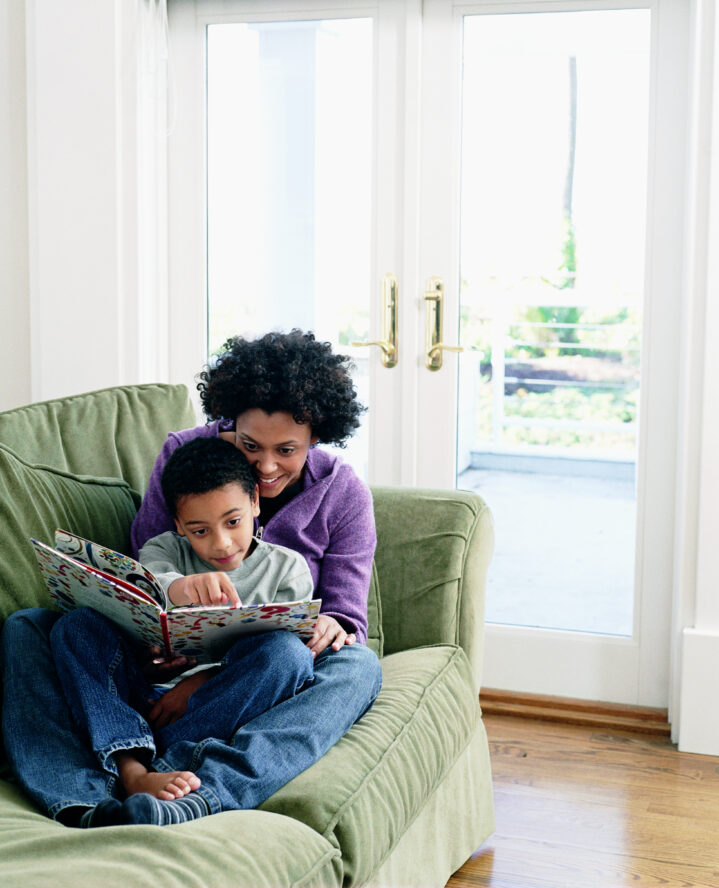
Apparently, Millennial and Gen Z parents are logging off.
According to Pinterest’s first-ever parenting trend report, searches for screen-free activities are up 200% year over year. Family tradition ideas are also up 200%. Even “no phone summer” is up 340%, alongside a 95% rise in searches for digital detox aesthetics among parents. The numbers tell a really interesting story: younger parents are actively looking for ways to make home life less online, contrary to popular belief.
But this is more than limiting screen time. It’s actually redefining what home feels like.
What Does “Analog” Even Mean?
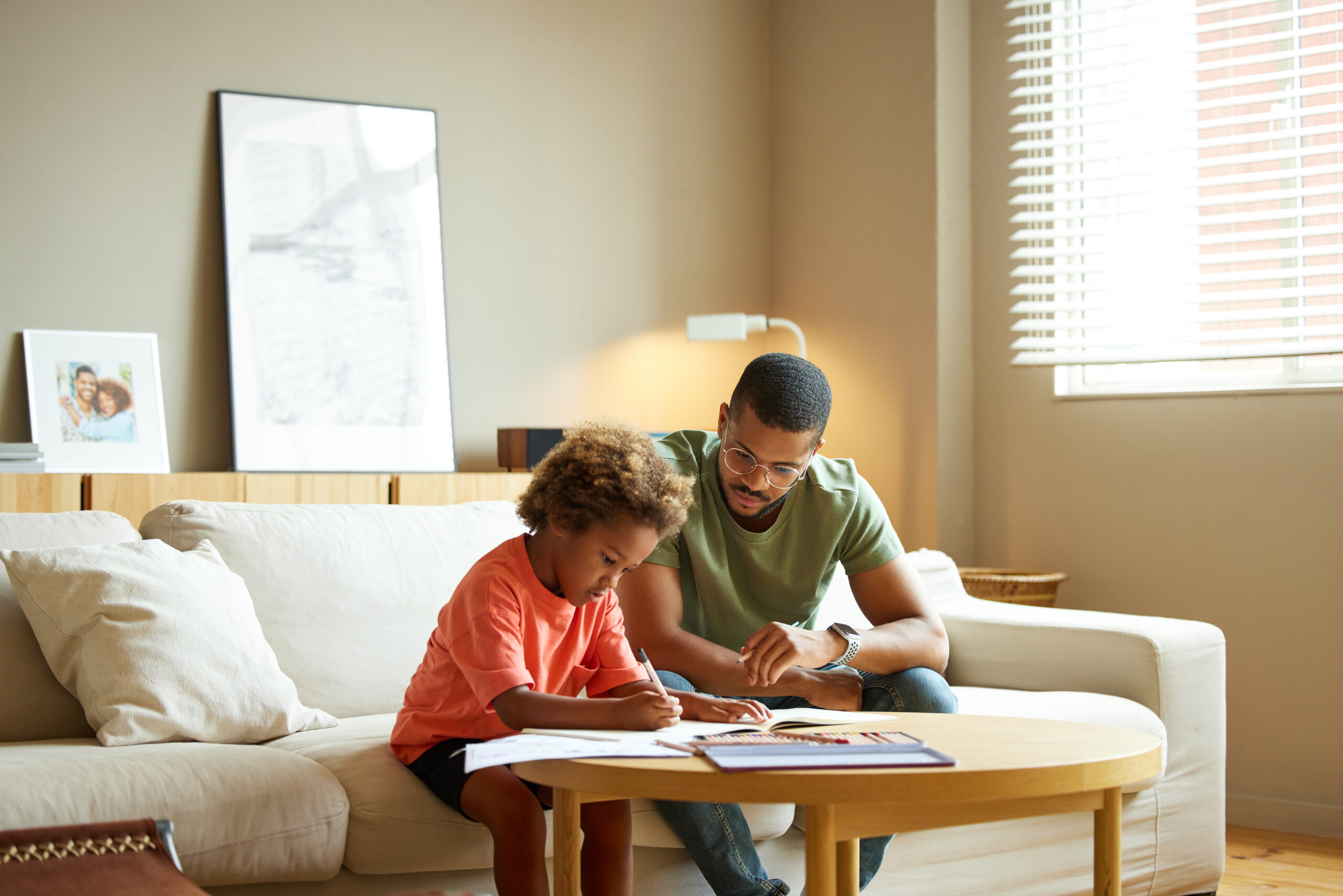
Analog, in this context, doesn’t just mean anti-technology. It also means being more intentional and physical. It’s baking from a cookbook instead of a TikTok. It’s board games instead of tablets. It’s printing photos instead of letting them live in a camera roll. It’s choosing to light a candle, write a list by hand, or start a weekly Sunday dinner ritual to anchor the week.
Online, the aesthetic of going analog has become aspirational. There are entire corners of the interest dedicated to “slow living,” “digital detox mornings,” and parents building routines around craft tables instead of iPads. Ironically, many of these movements are documented online—but the intention behind them is clearly less scrolling and more living.
Pinterest’s data suggests this isn’t just content , but actual behavior shaping a new generation of parents who are loudly critiqued for being chronically online.
We Can’t Ignore the Nostalgia
For millennials especially, this shift carries a specific emotional weight. We are the last generation to remember a childhood that wasn’t fully digital. We remember calling friends on house phones. Watching scheduled TV. Printing directions from MapQuest. Being bored—and surviving it.
Gen Z, now entering parenthood, grew up alongside the rise of social media and smartphones. They are hyper-aware of what constant connectivity feels like because they experienced it so early. Together, these generations are raising children in a world that is more connected than ever. And yet, they are searching for ways to recreate elements of the “good old days.”
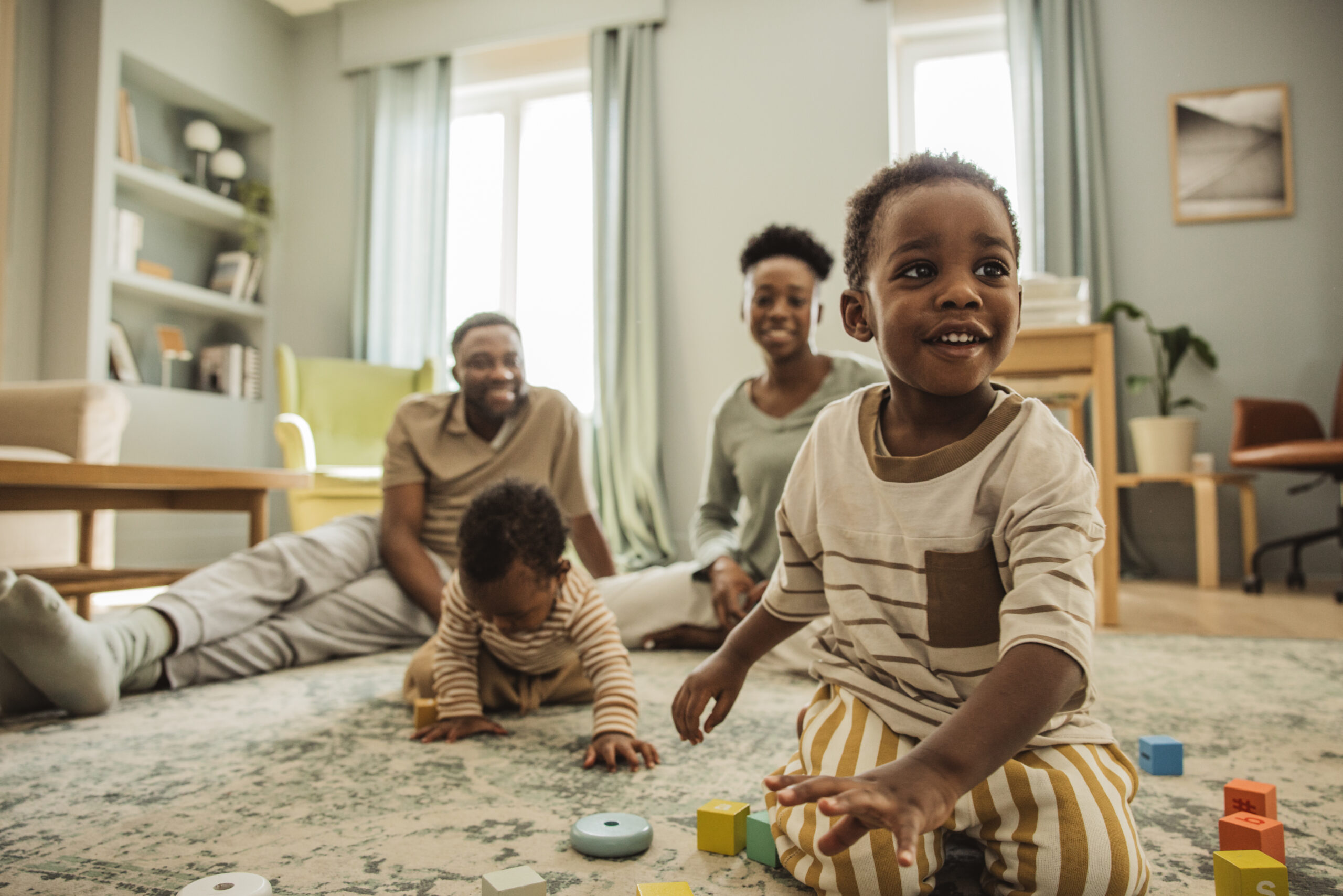
The surge in searches for family traditions points to something deeper than trend forecasting. It signals a desire for rituals. For rhythm. For predictability inside the home. And home, increasingly, is where that tension between digital life and physical life is negotiated especially with remote work.
When parents search for screen-free activities, they aren’t just looking for crafts. They’re looking for infrastructure. They’re looking for spaces that make it easier to unplug. That might mean a dedicated reading nook. A dining table that actually gets used. A hallway gallery wall filled with printed memories. A shelf stocked with puzzles and art supplies within reach.
When a home is designed around screens—TV as focal point, tablets as pacifiers—it becomes difficult to change behavior. But when a home makes room for analog experiences, the shift feels natural and I think that’s what happening here.
Pinterest has always been a platform for mood boarding life. So, it’s no coincidence that as Millennials and Gen Z age into parenthood, the platform is surfacing data that reflects a generational desire for intentional living and I’m here for it.

Logging Off Without Opting Out
So, the question is, where do we go from here? This analog movement, seemingly, isn’t about rejecting technology. It’s about recalibrating it. Modern parents still work remotely. We still share milestones online and document our lives. But many are becoming more conscious of how much of that happens in front of their children—and how much of their children’s lives happen in front of screens.
The rise in searches for “no phone summer” signals something almost radical: the desire to be present.
In a world that monetizes attention, choosing to protect it feels countercultural.
Pinterest’s report doesn’t just capture a trend. It captures a mood. One where younger parents are questioning default settings—both digital and domestic—and redesigning home life accordingly.
And if the search data is any indication, this analog turn isn’t fleeting. It’s foundational.
For millennial and Gen Z parents, going analog at home isn’t about going backward.
It’s about deciding, very intentionally, what deserves to move forward. Maybe it really is “them phones.”