By Kelsey Marie
January 28, 2026 at 7:43 PM PST
Exploring the cultural roots behind stone and marble in African design.

Exploring the cultural roots behind stone and marble in African design.
Before marble meant minimalism and stone became a staple of modern luxury, these materials shaped the rhythms of daily life across African design traditions. Carved into ancestral altars, grounding courtyard floors, and anchoring communal gathering spaces, stone and marble were chosen not only for their strength, but for their spirit — offering permanence, symbolism, and a connection to land.
Today, these same materials are praised in contemporary interiors for their elegance, often appearing in statement kitchens, architectural surfaces, and sculptural tables. But their appeal runs deeper than aesthetics. In African design histories, stone and marble have long served as grounding elements — materials that hold memory, meaning, and presence in the spaces we call home.
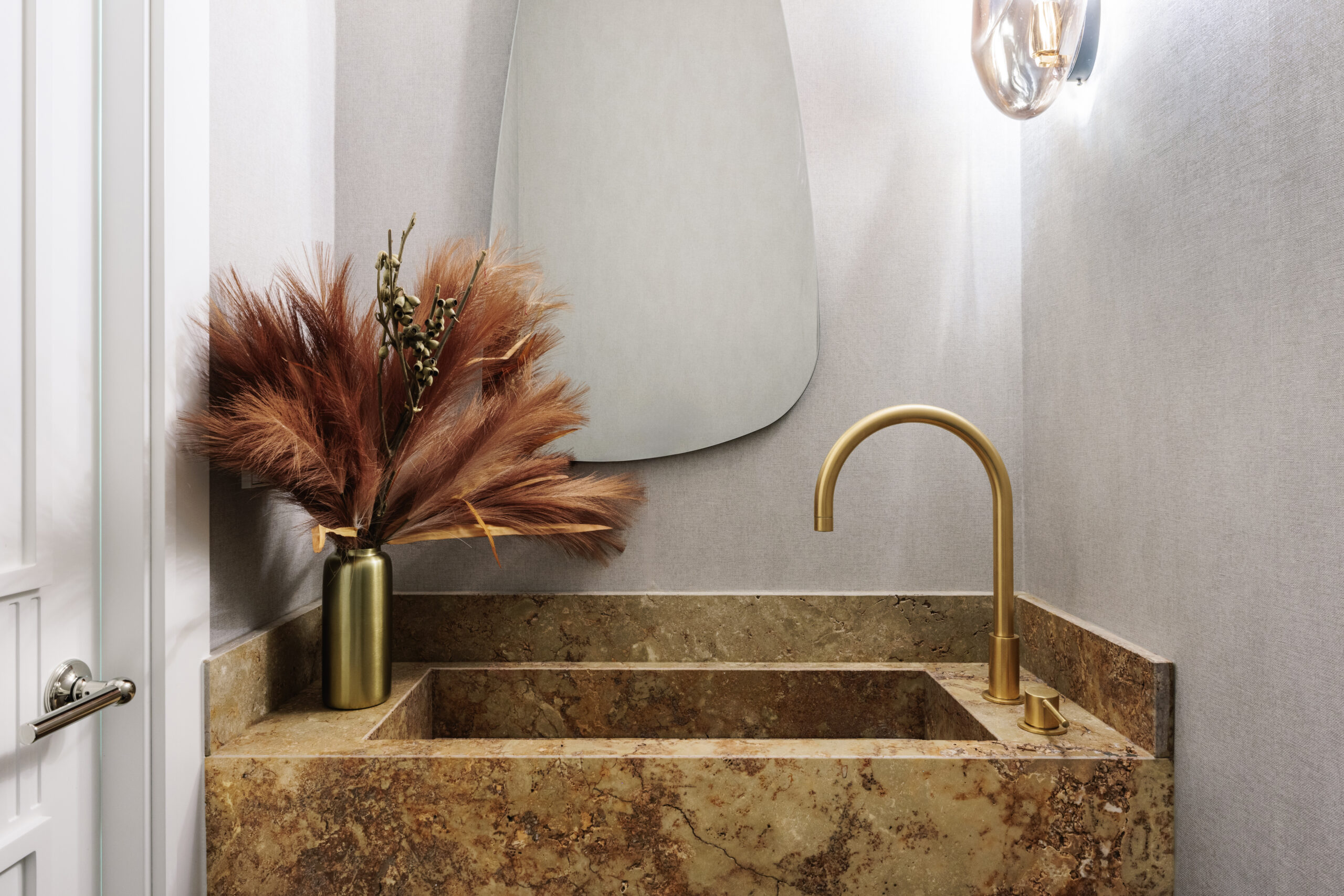
In many African cultures, stone was used with intention in homes, courtyards, and communal spaces — think: Yoruba altars, Moroccan tadelakt techniques, Ethiopian stone churches. They were designed to last, offering stability in both a practical and symbolic sense. Stone was chosen not just because it looked beautiful, but also because it lasted.
That idea still resonates today. Stone floors and walls helped regulate temperature in warm climates, while also anchoring spaces to their surroundings. The material became part of daily life, supporting how people lived, gathered, and moved through their homes.
Stone also carried spiritual significance. Carved objects, altars, and tools made from stone were often used in rituals and ceremonies, valued for their strength and durability.
In regions where marble was available, it was treated with the same care.
African stonework has always centered the human hand. Carving and shaping stone takes time, skill, and physical effort, and those techniques were often passed down through generations.
You can still see that legacy in the way stone is used today. Natural veining, slight imperfections, and texture finishes aren’t mistakes. This respect for craft is a big reason stone continues to feel warm and personal, even in modern homes.
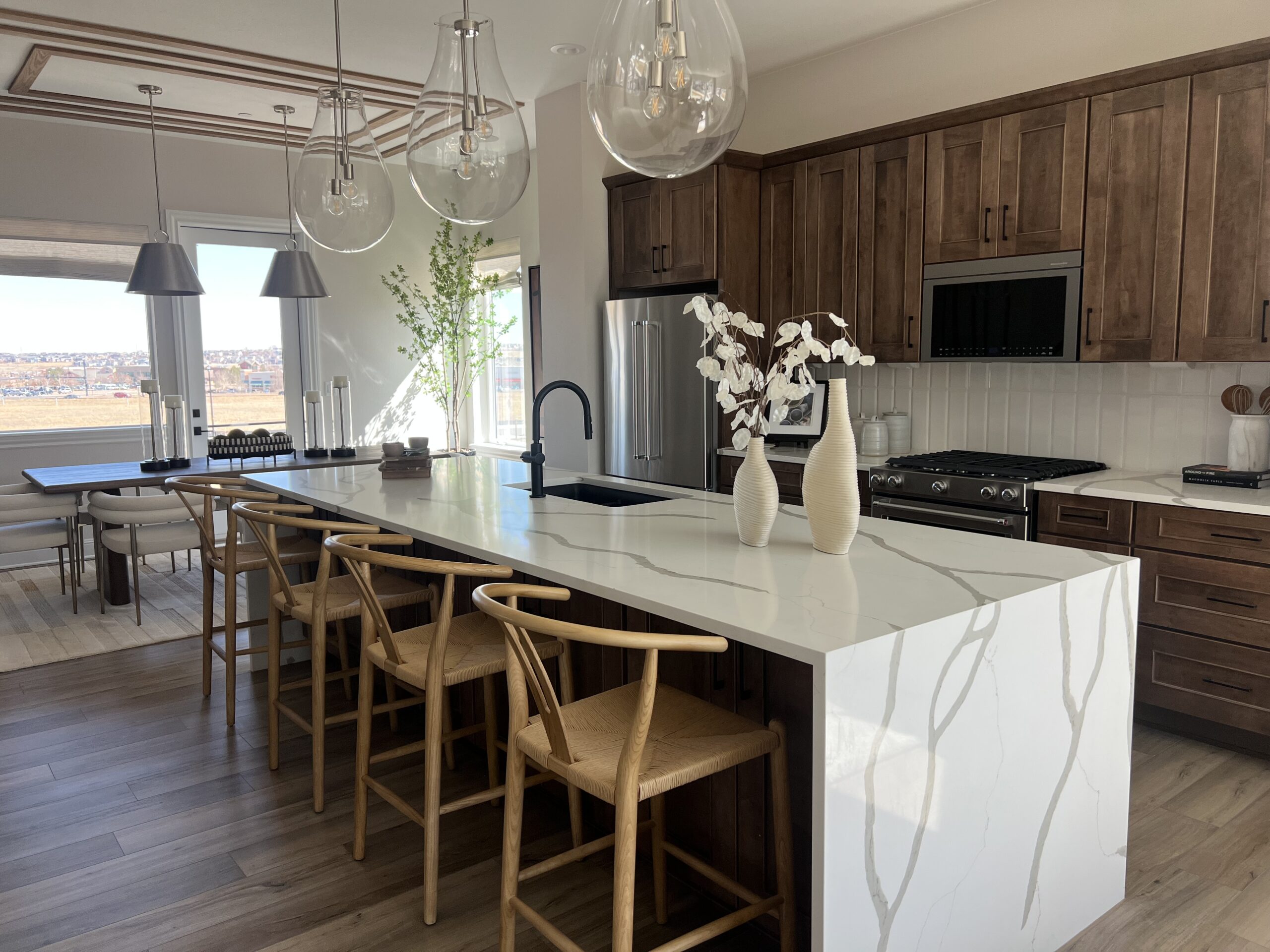
Over time, stone moved beyond monumental buildings and into homes. Floors, cooking surfaces, and decorative objects made from stone became part of everyday interiors.
Today’s love for stone and marble often mirrors African traditions, even when the history isn’t fully acknowledged. Stone tables, sculptural accents, and textured surfaces add more than finishing touches to a room. When used thoughtfully, stone and marble can bring depth to a space, reminding us that some of the most beautiful design choices are also the most long-lasting. So when we see a carved marble bowl on a contemporary coffee table or textured stone walls in a someone’s home, it’s worth asking — are we continuing a legacy or just borrowing the look?
Seen through the lens of The Art of Home, stone and marble remind us how deeply design, history, and everyday living have always been connected.
Explore the artists, exhibits, and collections shaping contemporary art in homes and galleries around the world.

by Kelsey Marie | September 1, 2023

by Karina Young | October 7, 2023
Whether it’s luxury or ease, every area of your home should be as fabulous and unique as you.


by Kelsey Marie | January 23, 2026

by Jessica Fields | December 18, 2024

Find us on social for more home inspiration where culture, personal style, and sophisticated shopping intersect to help you create a home where you love to live.