May 9, 2025 at 6:48 PM PST
Organize & Declutter Sustainable Decluttering Tips
6 Eco-Friendly Ways to Discard Unwanted Items
Clear out your space and protect the planet.
Organize & Declutter Sustainable Decluttering Tips
6 Eco-Friendly Ways to Discard Unwanted Items
Clear out your space and protect the planet.
May 9, 2025 at 6:48 PM PST
With so much junk piling up in our homes daily, the challenge isn’t just about getting rid of things and decluttering our spaces—it’s about doing so responsibly. As environmental consciousness grows, many people seek ways to clear their homes without contributing to the mounting waste in landfills. Sustainable decluttering offers a thoughtful approach to tidying up while minimizing our environmental impact.
The traditional “throw it away” mentality has led to significant environmental consequences, with millions of tons of household items ending up in landfills yearly. However, by adopting eco-friendly decluttering practices, we can transform how we think about our possessions and their disposal. This shift not only benefits the environment but also creates opportunities for others to benefit from our unwanted items.
Whether you’re embarking on a major home clean-out or simply looking to maintain a more organized space, incorporating sustainable practices into your decluttering routine can make a meaningful difference. The key lies in understanding the various options available for responsibly disposing of different types of items and creating a systematic approach to the process.
@tiktokforgood Don’t let your unwanted stuff rot in a landfill–Instead of throwing it away, why not try these tips! #TikTokForGood #TikTokTaughtMe #GiftEconomy #Regifting #sustainablelifestyle #sustainableswaps #sustainableliving
Tips On Sustainable Decluttering:
Before You Begin: Assessment and Planning
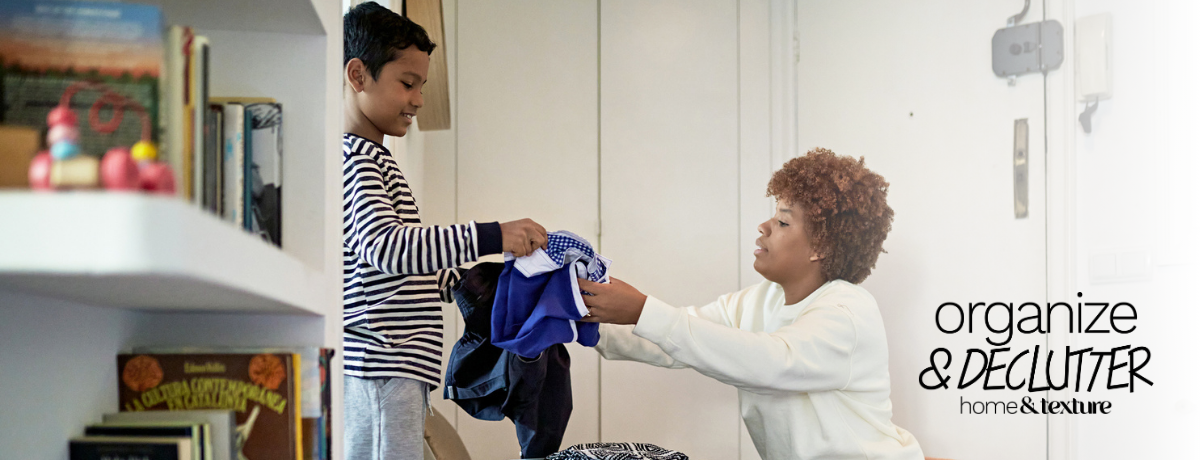
Take time to evaluate your items and create a clear sorting system. Categorize items into groups: donate, recycle, repurpose, sell, and, as a last resort, trash. This preliminary organization will make the process more manageable and ensure items are directed to their most sustainable destination.
Donation: Giving Items a Second Life
One person’s clutter can be another’s treasure. Local charities, shelters, and community organizations often welcome gently used items. Consider specialized donations too—professional clothes for organizations helping job seekers, or books for library programs. Always check that items are in good condition and verify what organizations accept before donating.
Recycling: Beyond the Basics
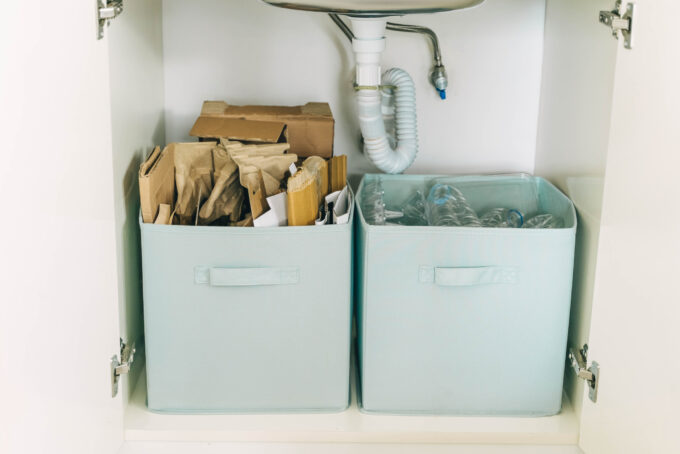
Many items that don’t qualify for donation can still avoid the landfill through proper recycling. Research local recycling facilities that handle electronics, textiles, furniture, and other materials. Some retailers also offer take-back programs for specific items, such as electronics or clothing.
Creative Repurposing
Before discarding items, consider their potential for upcycling. Old furniture can be refinished, worn clothing can become cleaning rags, and glass jars can be used for storage. This approach reduces waste, can save money, and can spark creativity.
Selling: The Circular Economy
Online marketplaces, consignment shops, and yard sales offer opportunities to recoup some value while ensuring items find new homes. This approach supports the circular economy and extends the lifecycle of goods that still have useful life left.
Digital Decluttering: The Hidden Environmental Impact
Don’t forget about digital clutter. While it may seem invisible, data storage has an environmental footprint. Regular cleanup of digital files, emails and cloud storage helps reduce energy consumption in data centers.
Most Popular
popular posts
Organize
Elevate your home’s allure and alleviate stress with these decluttering need-to-knows.

5 Organizing Tips I'm Borrowing from TikTok in 2025
by Jessica Fields | January 11, 2025

The Best Drawer Organizers To Keep Your Space Tidy
by Erika Hardison | April 18, 2023

Spaces
Whether it’s luxury or ease, every area of your home should be as fabulous and unique as you.
Want a More Organized Kitchen? These 9 Hacks Can Help
by Melody Beuzelin | April 15, 2024
FOLLOW ALONG ON INSTAGRAM
#homeandtexture
Find us on social for more home inspiration where culture, personal style, and sophisticated shopping intersect to help you create a home where you love to live.