By Kelsey Marie
August 29, 2025 at 12:32 AM PST
Your environment may be saying more about your finances than you think.
Your environment may be saying more about your finances than you think.
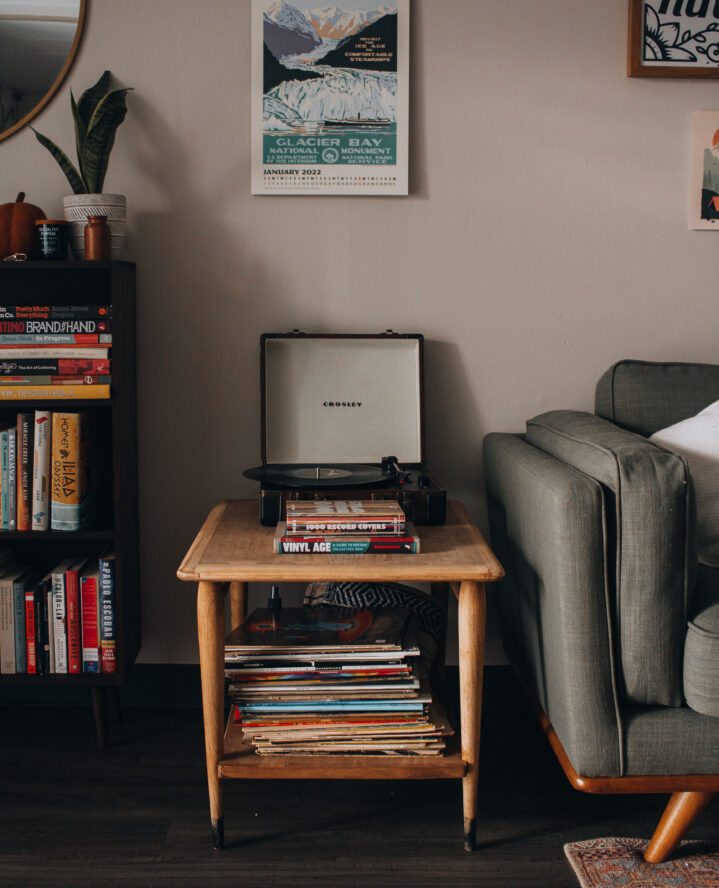
A home is more than a backdrop for daily life; it’s a reflection of how we manage money, juggle priorities, and cope with financial stress. From cluttered corners that never quite get organized to thoughtfully curated spaces that feel like a refuge, the home environment often reflects our financial health, stress levels, and the daily choices we make with our money.
“Financial stress and or money habits show up in someone’s home environment through choices,” says Rebekah Felleke, Associate Clinical Social Worker located in Los Angeles, California. “Choices in how they use their home environment, choices in where the focal point of their home is, and choosing if their home is a place of refuge or a place where they choose to unpack their clutter and not organize their space.”
Felleke explains that this can look like investing heavily in one part of the home while neglecting essential areas. “If someone chooses to spend more on the entertainment part of their home (i.e., TV, PlayStation, Apple TV, movies), oftentimes that means less money is spent on other things that could be essential, such as food in the fridge,” she says. This imbalance not only reveals money habits but also the way financial stress spills into emotional stress, lived out in plain view.
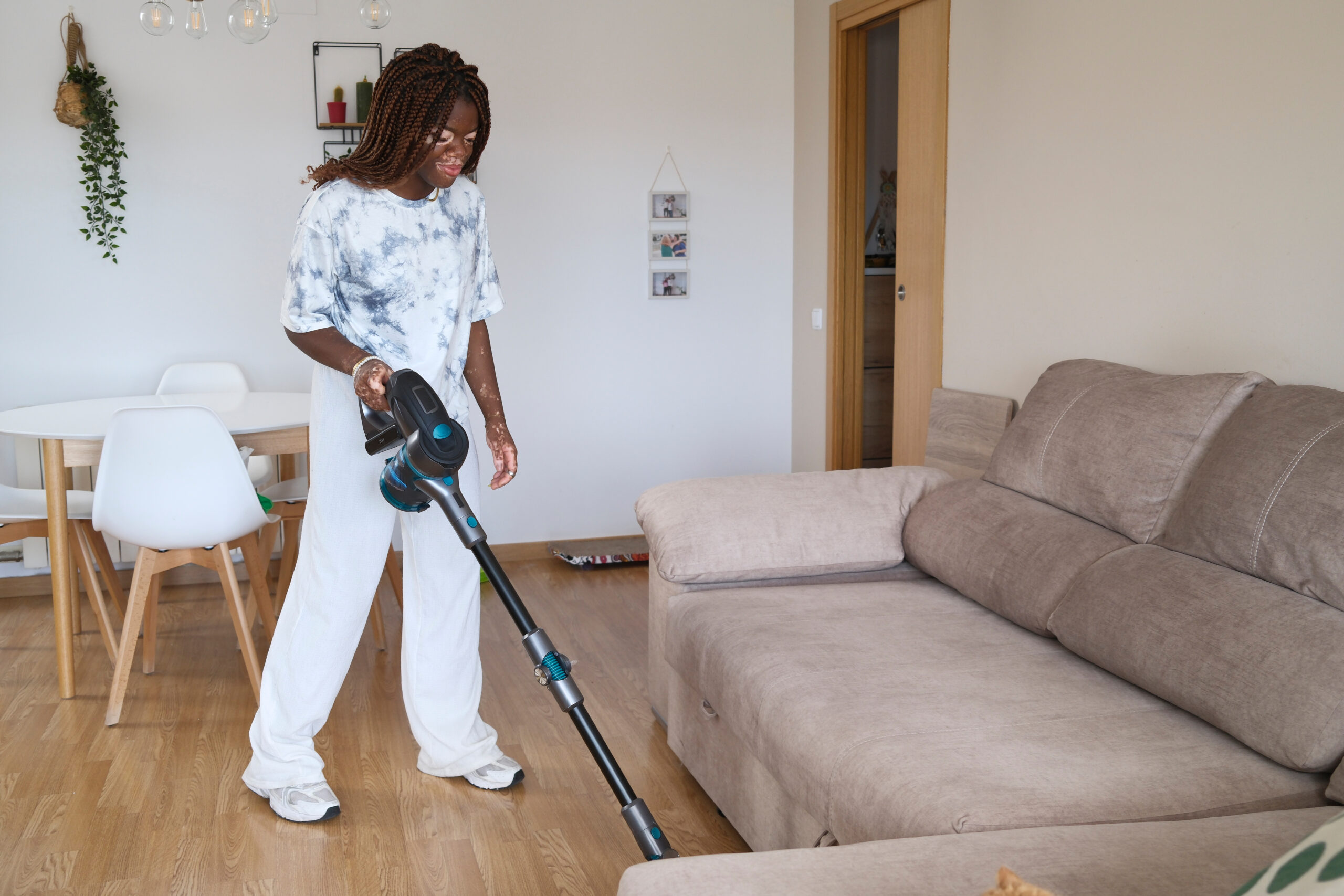
For Shania Ward, a licensed esthetician and brow artist living in Bolton, North Carolina, this link between financial health and the home is personal. As a mother of three, her household feels like a reflection of her current season of life. “If I were to describe my home right now, it would be dusty and a cluttered mess. I despise folding clothes. The dust is everywhere. I had so much extra time with two kids, now that I have three, it’s like the clutter just stays no matter how much organizing I do,” Ward admits.
She notices how her financial choices often revolve around trying to manage the chaos. “As soon as I get some extra money, I’m spending it on something to help with clutter. I have no idea where to start with investing because I’m constantly thinking about cleaning my house,” she says. Instead of long-term investments, she often spends on “temporary pleasures to avoid what needs to be done.”

This cycle of clutter, financial stress, and avoidance is one that Minaa B., therapist, author of “Owning Our Struggles,” and mental health educator, often sees in her work. “When a person is experiencing financial stress, they may also feel overwhelmed, anxious, and in despair,” she explains. “Sometimes, people deal with financial stress by buying items as a way to cope, leading to overconsumption and clutter. It’s a paradox, but this can be rooted in a desire for control and a denial of their economic hardship.”
Minaa notes that financial habits can become visible in subtle ways. Too many of the same items, like stacks of unused towels or shelves filled with unworn shoes, may reflect overconsumption. On the other end of the spectrum, hanging onto worn-out essentials like old mattresses or grocery bags can indicate financial scarcity and the fear of spending.
The good news is that small, intentional changes can support both mental and financial health. Felleke emphasized the importance of starting with resources and routines. “Resources that alleviate some financial stress will allow individuals to focus more on themselves and other related goals towards increasing their financial independence and decreasing clutter or disorganization of their home,” she says.
Minaa agrees that practical steps matter. She recommends creating a household budget, setting regular times to declutter as a family, and asking reflective questions about consumption, such as whether a new purchase will actually be used or simply add to the clutter. Even replacing one old, inexpensive item at a time, she notes, can begin to shift the mindset around money and home.
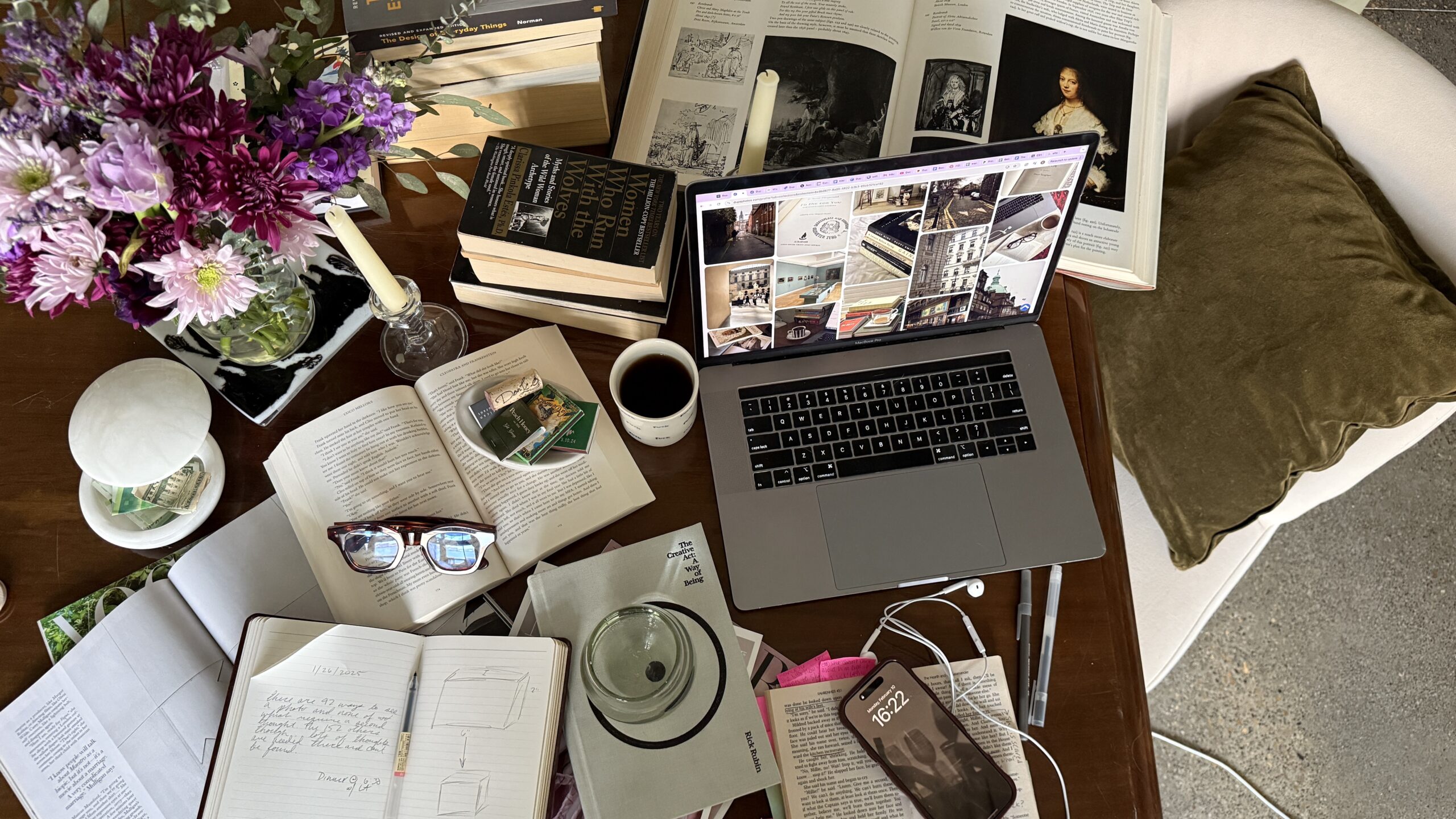
For Ward, it’s a work in progress. “Business in the front, a party in the back,” she says, describing how she manages to keep her workplace client-ready while hiding the chaos elsewhere. “To be honest, I’m not proud of it at all. I am working on it, though. It’s really crazy how, when I think about it, my current life is really affecting my financial health.”
Ultimately, the connection between financial well-being and the home isn’t about perfection, but rather awareness. As Minaa points out, organizing, tidying, and being intentional with spending don’t just create cleaner homes; they build confidence, reduce anxiety, and foster healthier money habits. And that’s something worth investing in.
by Brittni Williams | October 24, 2023

by Brittni Williams | June 12, 2023

by Brittni Williams | June 13, 2023
Whether it’s luxury or ease, every area of your home should be as fabulous and unique as you.

Find us on social for more home inspiration where culture, personal style, and sophisticated shopping intersect to help you create a home where you love to live.