By Kelsey Marie
October 13, 2025 at 1:03 AM PST
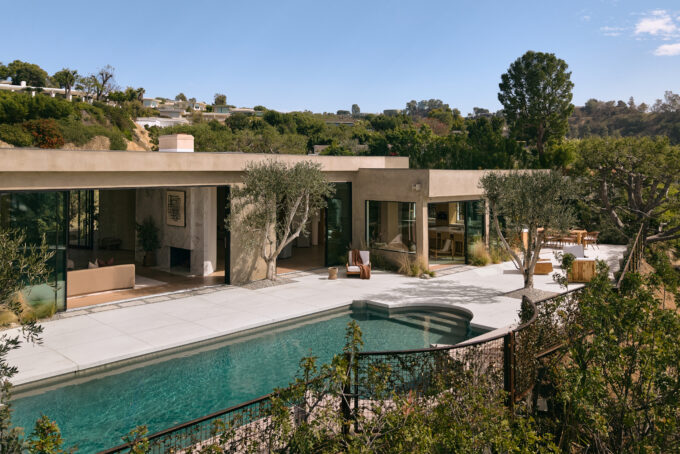
South African interiors blend heritage, craft, and warmth in ways that redefine what it means to design with intention.
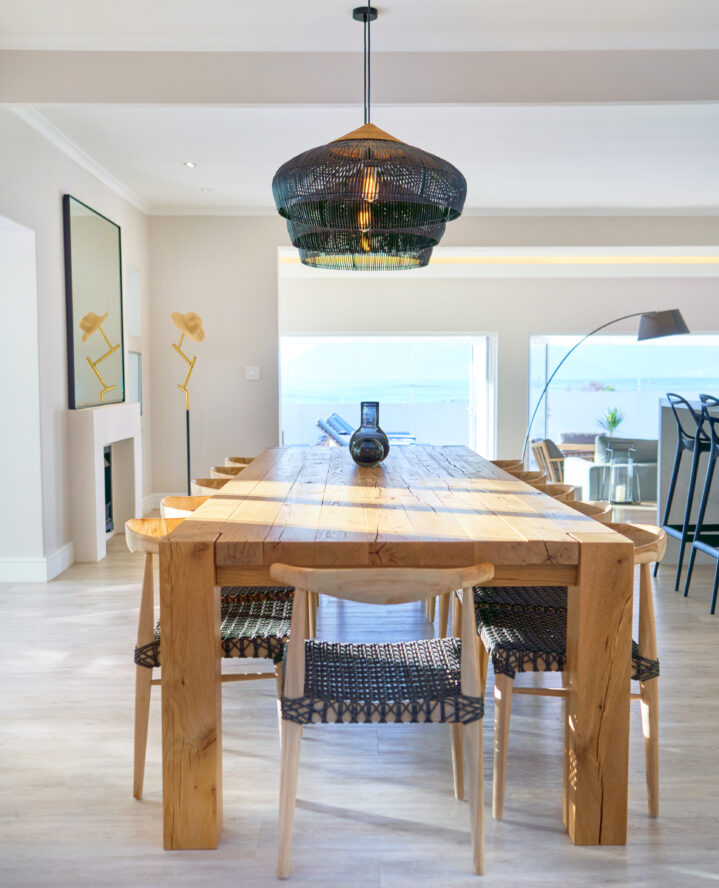
South African interiors blend heritage, craft, and warmth in ways that redefine what it means to design with intention.
When I arrived in Johannesburg in late August, the city was just beginning to shift from winter to spring. The air still carried a chill, but the jacarandas were hinting at bloom. It wasn’t my first time here—I first visited South Africa in 2017 and later lived there from 2018 to 2020—but coming back this year reminded me how distinct the country’s design perspective really is. South Africa has a way of showing you that great design is more than presentation, but rather how a space makes you feel.
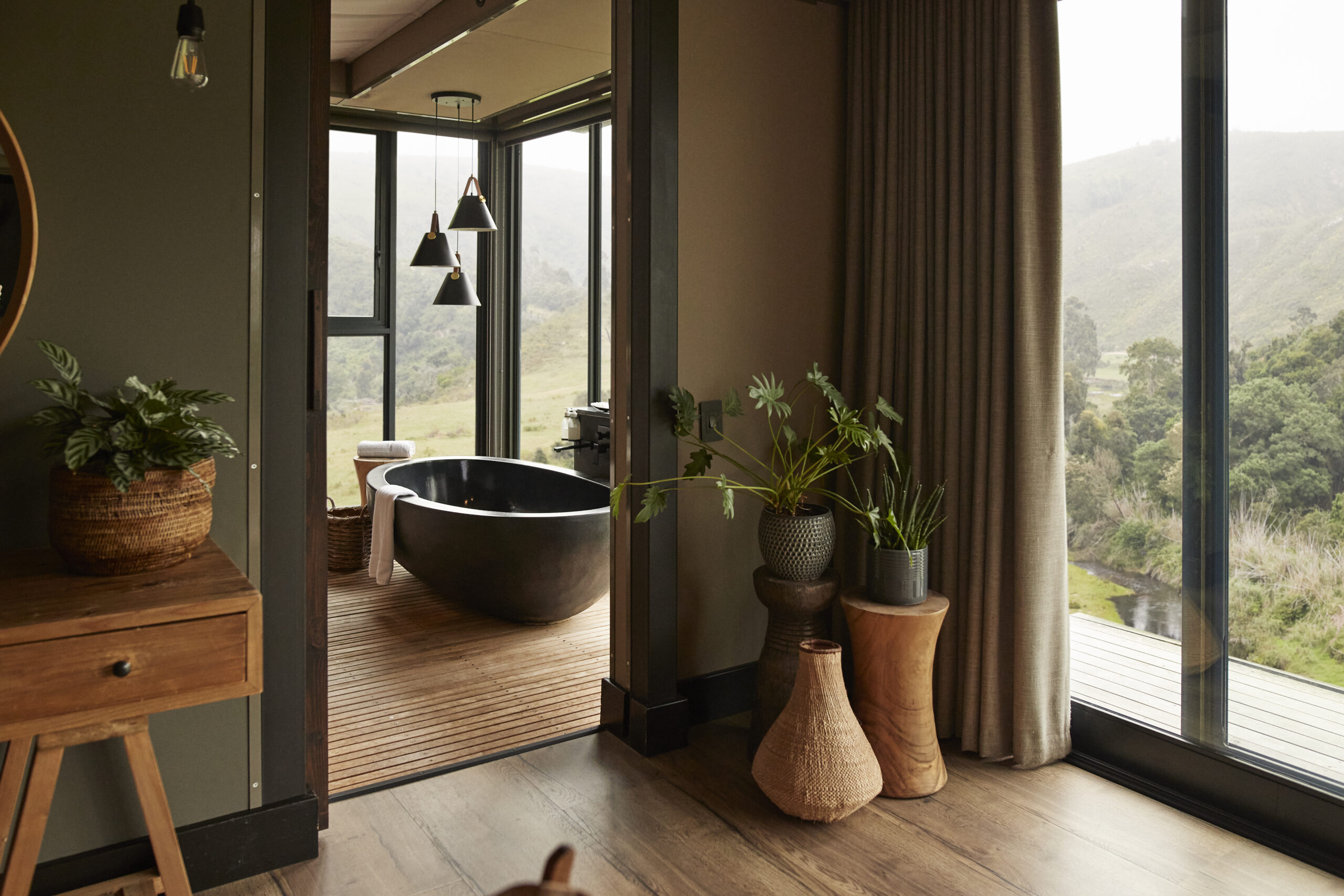
In Johannesburg, design feels grounded and human. You see it at places like 44 Stanley, where old industrial structures are softened by lush greenery, or at restaurants like Tashas, where cane, marble, and brass blend effortlessly. Each space balances sophistication and warmth. Nothing feels overdone.
What stands out most is the balance between contrast and calm. Rough textures meet smooth finishes, modern shapes live alongside heritage materials, and the result feels quietly intentional. The best spaces here don’t compete for attention because they create it.
What I love most about South African interiors is how seamlessly design and storytelling intersect. The pieces you find in homes and restaurants often carry a sense of origin. A woven basket isn’t just an accent piece; it represents generations of artistry. A carved stool, a hand-thrown vessel, or a textile passed down through generations tells a story of community and continuity.
Art also plays a central role. In many spaces, art isn’t something added at the end; it’s what anchors the room. Portraits, sculptures, and prints reflect the layers of South African identity: joyful, complex, and deeply personal.
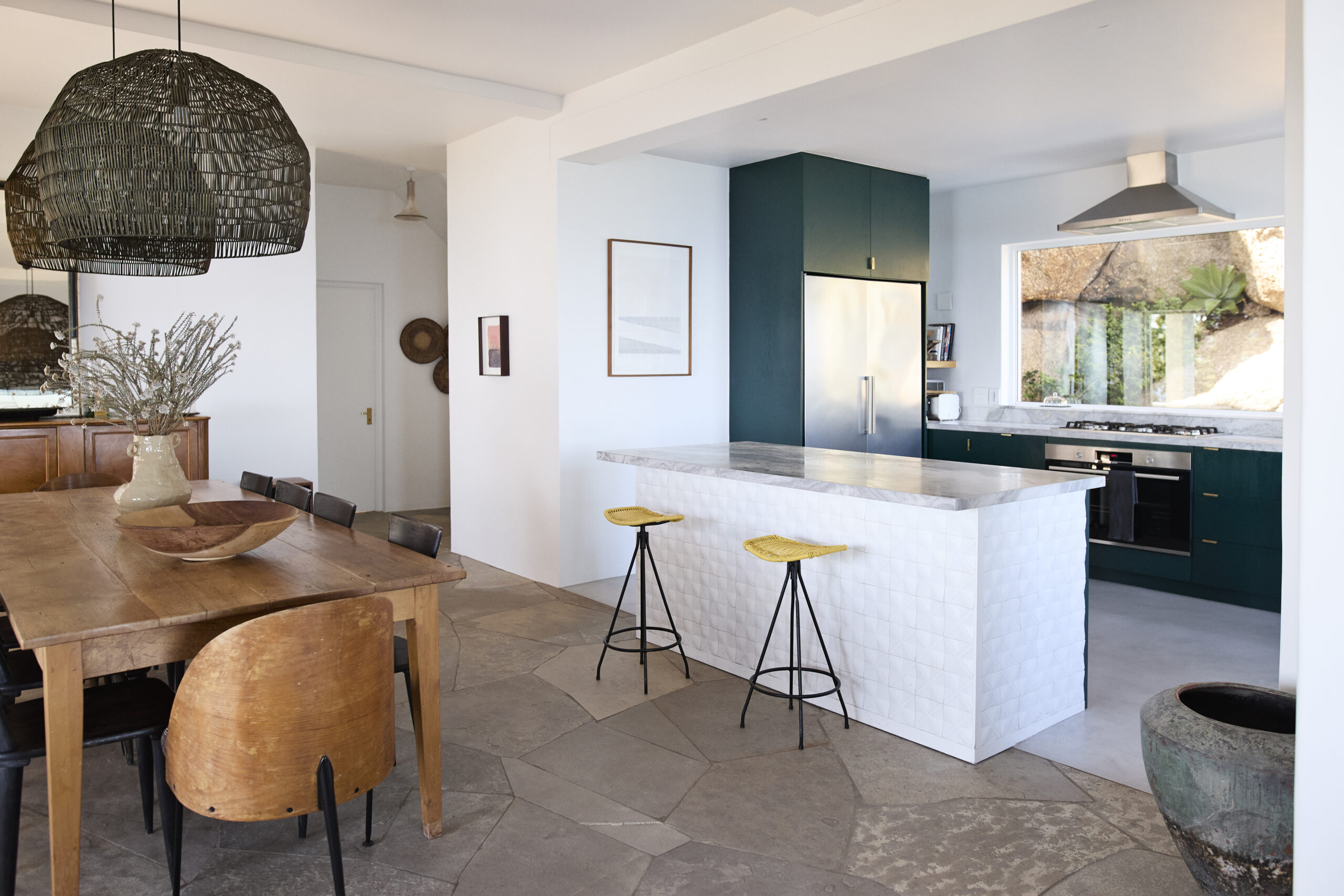
In South Africa, luxury is less about grandeur and more about grounding. It’s in the texture of a linen napkin, the patina of weathered wood, or the asymmetry of handmade ceramics. You can feel the presence of the maker in so many details, and that intimacy becomes the true marker of refinement.
It’s also why imperfection feels beautiful here. A slightly uneven edge or a handwoven pattern that isn’t perfectly uniform isn’t treated as a flaw but as evidence of care. There’s something freeing about that—a quiet reminder that design doesn’t have to be polished to be intentional.
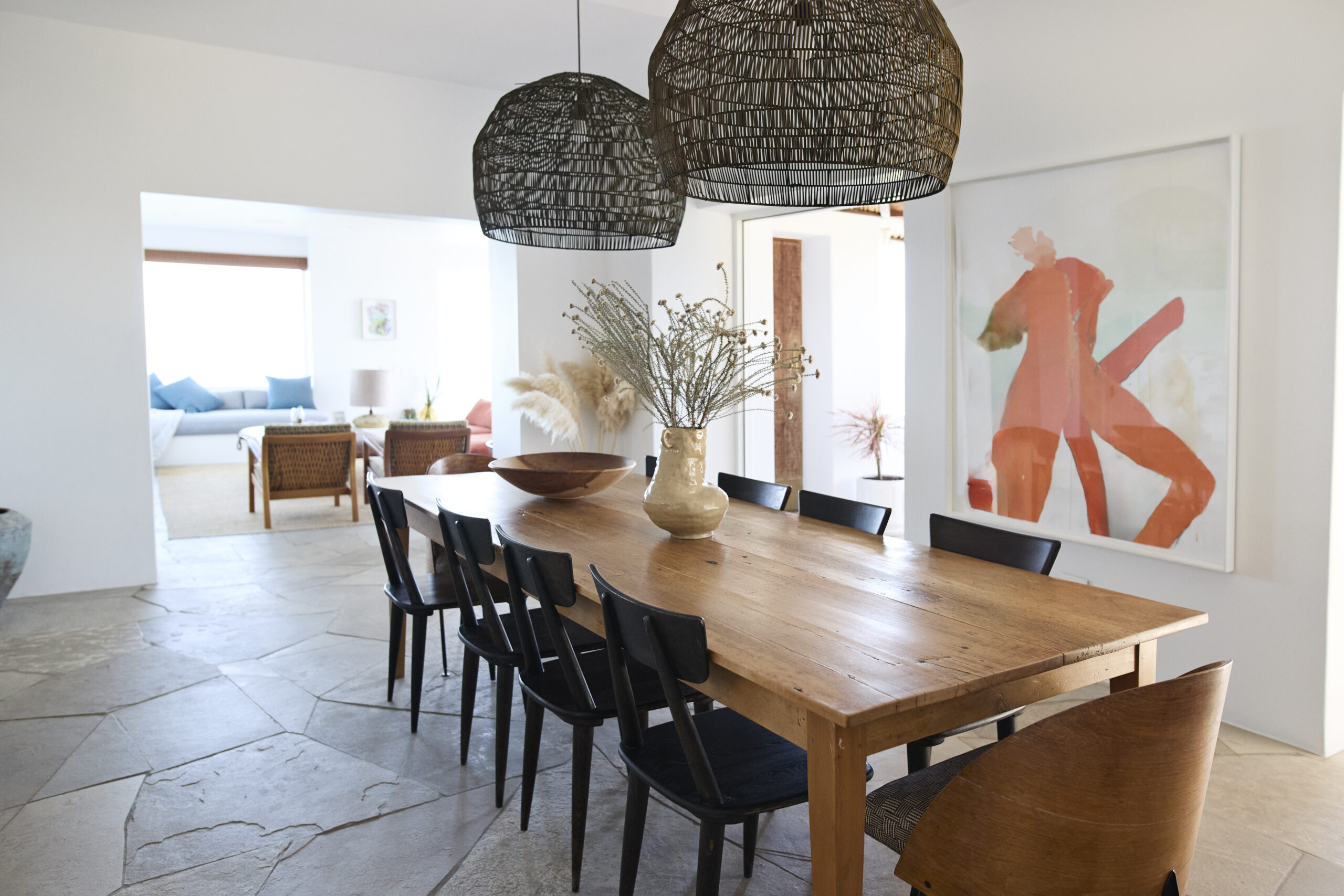
After spending weeks surrounded by this kind of design language, I came home thinking differently about space. South African interiors aim for connection. They celebrate craftsmanship, honor history, and make room for texture, culture, and soul.
That approach shifted the way I see my own surroundings. I now want to focus less on how things look and more on how they make me feel. Because when design is rooted in honesty, it has a way of staying with you long after you leave.

by Camryn Dilger | August 17, 2023
Whether it’s luxury or ease, every area of your home should be as fabulous and unique as you.
by Lauryn Jiles | March 20, 2024
by Lauryn Jiles | March 18, 2024
Find us on social for more home inspiration where culture, personal style, and sophisticated shopping intersect to help you create a home where you love to live.